Practical Sales Training™ > How To Connect With Your Buyer > Eligibility Checker
Eligibility Checker
What Is It
An Eligibility Checker is a quick, low commitment tool that tells someone if they’re likely to qualify, before they go anywhere near a full application. No hard credit check, no long form, just a fast yes, maybe or no.
It’s not the application itself. It’s the step that comes before it, built to remove doubt rather than collect a decision.
Why Does It Work
People fear rejection more than they admit. A full application feels risky, since it might dent your credit score or waste your time on something you were never going to get anyway. An Eligibility Checker removes that fear before it starts.
It also lowers the size of the first step. Filling in a full finance application feels like a big commitment. Answering a few quick questions to “just check” feels like nothing at all. That small first step is often what gets someone through the door.
There’s a trust element too. Being upfront about the odds, rather than hiding them until a final rejection, makes a business feel honest instead of pushy.
How Can You Use It
Ask The Minimum, Not The Maximum
Only ask what you genuinely need to give an honest answer. It’s tempting to squeeze in extra questions for marketing data while you have someone’s attention, but every added question makes the checker feel like the application it was supposed to avoid.
Show The Result Immediately
Never make someone wait for an email to find out the answer. The entire value of this tool is the instant relief of knowing. A delayed result just recreates the anxiety you were trying to remove in the first place.
Make The Next Step Obvious The Moment They Pass
The instant someone gets a good result, momentum is at its highest point. Don’t send them back to a menu or a homepage. Move them straight into the real application while the relief of a good answer is still fresh.
When It Works Best
This works best anywhere rejection feels genuinely costly to the buyer, finance, mortgages, insurance, and memberships with real entry requirements. It also suits anything with a hard credit check further down the line, since the checker gives people a safe way to test the water first.
When It Becomes Dangerous
It becomes dangerous the moment it gives an optimistic answer that doesn’t hold up. If someone passes your checker and then gets rejected at the full application, the disappointment lands harder than if you’d never offered the check at all.
It’s also risky if it quietly turns into a data collection exercise. Buyers can tell the difference between a genuine quick check and a lead form wearing a disguise, and they don’t forgive the second one easily.
Common Mistakes
Making It Feel Like A Full Application
Long question lists, uploads and personal details all turn a quick check into the very thing people were trying to avoid. Keep it short enough that someone could finish it in under a minute on their phone.
Giving An Answer That Doesn’t Hold Up Later
A checker that’s too generous with its yes answers just delays the rejection rather than removing it. Calibrate it honestly, even if that means telling more people no at this early stage.
Hiding It Behind The Application Instead Of Before It
Some businesses bury the eligibility check inside step three of a longer form. By then, the buyer has already invested time and the fear it was meant to prevent has already set in.
Eligibility Checker – An Example
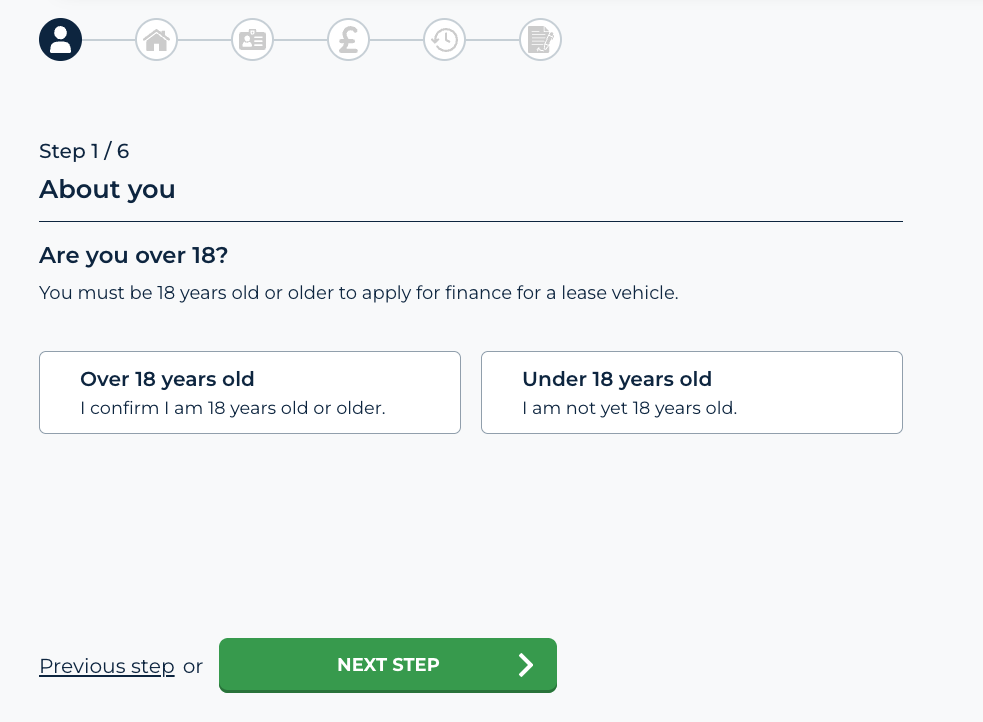
Car leasing sites use them to see if you’re able to actually apply for finance, without running a real credit check first. A few quick questions about age, income and existing credit tell you where you stand before you commit to anything.
It means someone can find out in under a minute whether it’s worth their time filling in the full application, rather than discovering the answer after a hard search has already gone on their file.
See also