
Practical Sales Training™ > How To Connect > The Compatibility Effect

The Compatibility Effect
Buyers rarely buy in isolation. They’re slotting your product into something they already have. So that might be equipment, software, or a team that already works a certain way.
If you stay quiet about how you fit in, they’re left to guess. And guessing often leads to hesitation, or worse, a no.
So the Compatibility Effect closes that gap before it ever becomes a problem.
What Is The Compatibility Effect?
The Compatibility Effect is about communicating how your offering fits with the people, equipment, and resources your buyer already has. So instead of leaving it implied, you spell it out clearly.
It answers a question buyers are often too polite, or too unsure, to ask outright.
Why Does The Compatibility Effect Work?
It works because it removes the unknowns. So it helps your buyer understand how your offering will fit into their existing situation. Your buyer will want to know if your offering works with their setup, so it makes sense to communicate this clearly and boldly.
Uncertainty stalls decisions. So the moment you remove it, the path to a yes gets noticeably shorter.
How Can You Use The Compatibility Effect In Sales?
Map out the real integration points
Does your product or service need to work with other things your buyer has or does? So think carefully about how your buyer actually uses what you sell.
Walk through their first experience
Picture them unboxing your product, or trying your service for the first time. What else do they need to get the result they want? So does your offering fit with that?
Decide what’s worth highlighting
Not every compatibility detail needs a spotlight. So focus on the integrations that genuinely remove hesitation, and skip the minor technical facts nobody asks about.
When The Compatibility Effect Works Best
It works best for products and services that plug into something bigger. So think tech, tools, or systems a buyer already relies on day to day.
It also matters most when switching costs feel high, because the more embedded a buyer’s current setup is, the more they worry about disruption.
When The Compatibility Effect Becomes Dangerous
It becomes dangerous if you overstate compatibility that doesn’t actually exist, because a buyer who discovers a gap after purchase will trust your next claim far less.
It can also backfire if you bury genuine limitations, since surprises after the sale damage trust more than honesty would have upfront.
Common Compatibility Effect Mistakes
Assuming compatibility is obvious
Just because it’s obvious to you doesn’t mean it’s obvious to the buyer. So spell it out, even if it feels unnecessary on your end.
Overstating what actually works together
Claiming broader compatibility than you can deliver sets up a disappointing surprise. So only promise what genuinely holds true.
Hiding the answer in fine print
If compatibility details sit buried in a spec sheet nobody reads, they’re not doing their job. So bring them to the surface, where buyers will actually see them.
The Compatibility Effect – An Example
An adaptor showing exactly what it works with
This adaptor shows images of the consoles and tech it works with. So it also shows the technology and ports it’s compatible with.
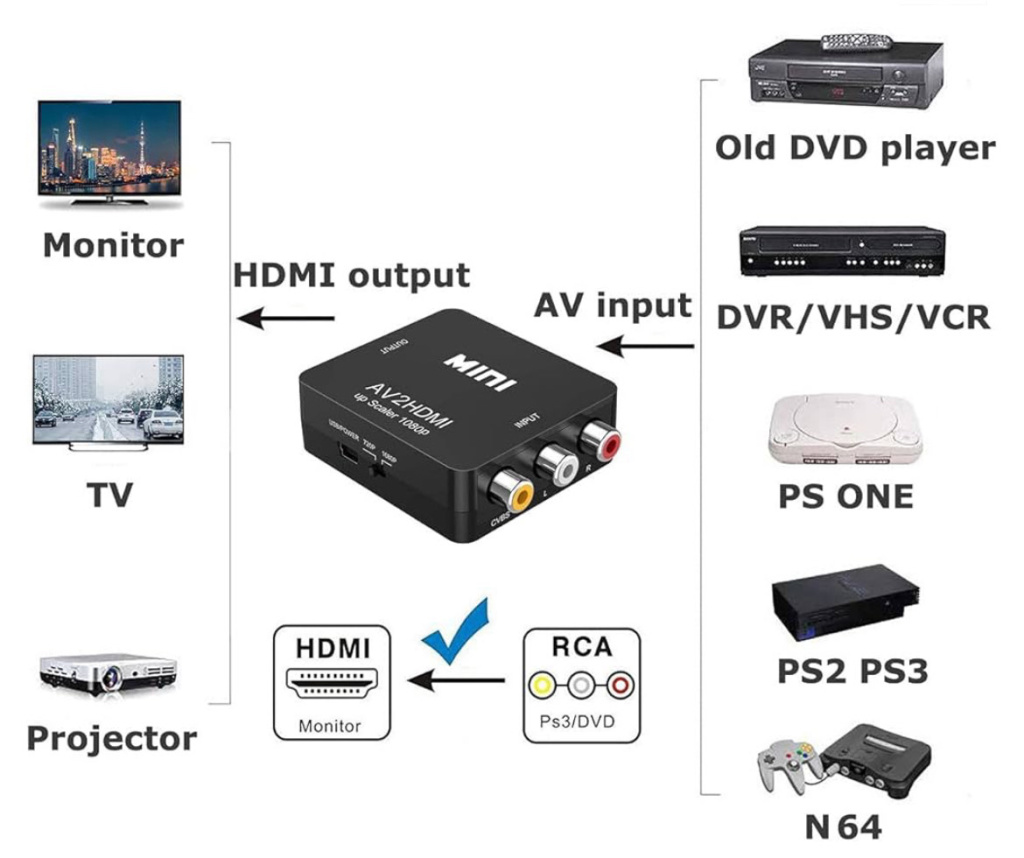
There’s no need for the buyer to check a manual or contact support first. Instead, they can see, at a glance, whether the product fits what they already own. So it removes the single biggest reason they might hesitate to buy.
See also