Practical Sales Training™ > How To Connect With Your Buyer > Fancy Words

Fancy Words
What Is It
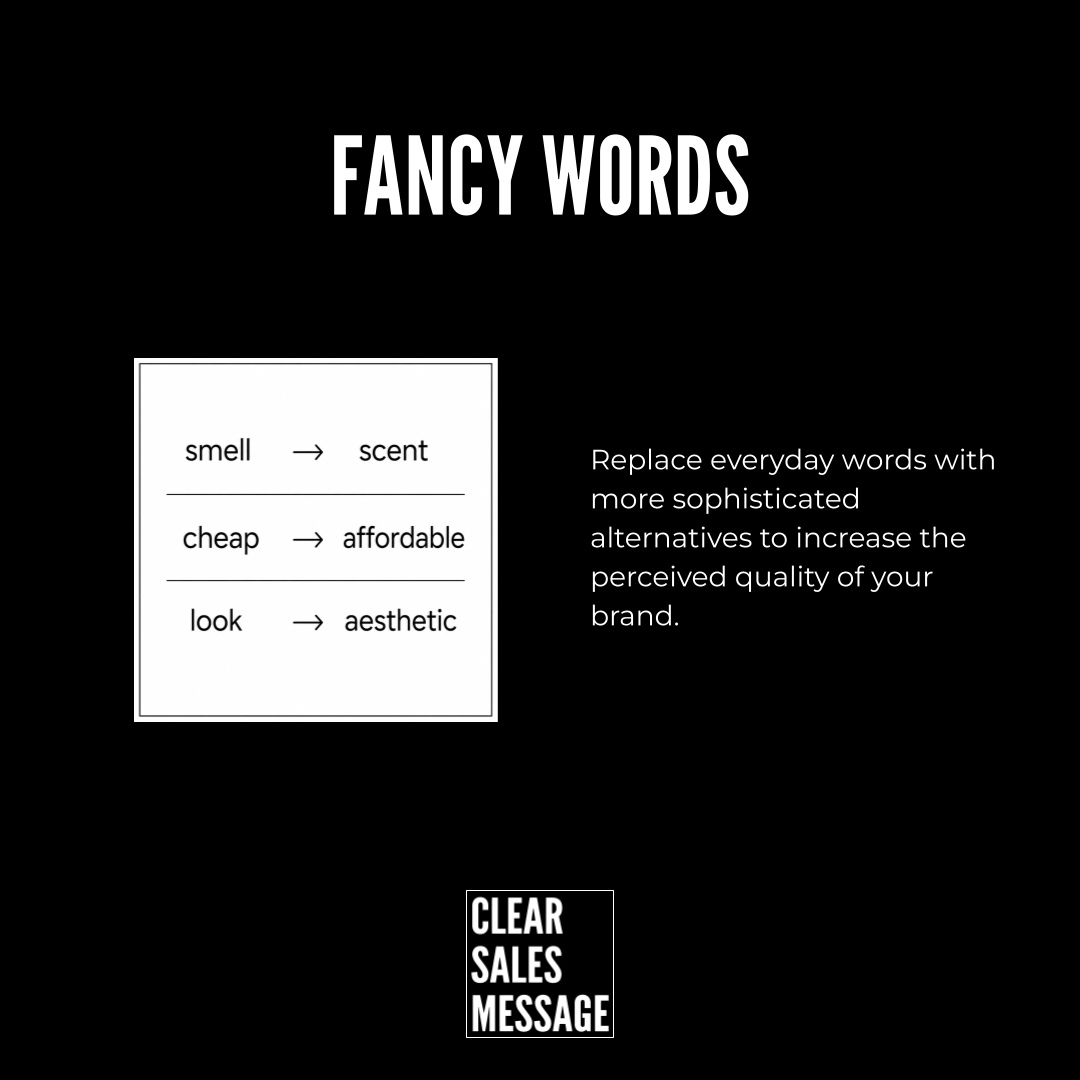
Fancy Words is a simple swap. You take an everyday word and trade it for one that sounds more expensive. Smell becomes scent. Cheap becomes affordable. Look becomes aesthetic.
Nothing about the product changes. Only the word does. But that one change shifts how a buyer feels about what they’re looking at. It happens before they read a single fact.
You’ll see it everywhere once you notice it. Property listings don’t have gardens, they have outdoor living spaces. Coffee shops don’t sell cups, they sell experiences. Same product. Different word. Different price tag people are happy to pay.
Why Does It Work
Buyers judge value fast, often before you’ve said anything useful. Your words are one of the first signals they use to decide if something feels cheap or premium. So a smarter word does real work before your product even gets a look in.
This links to something called the fluency-sophistication trade-off. Simple words feel easy and familiar, which is good for trust. But sophisticated words feel special, which is good for status. Fancy Words borrows a bit of that status feeling and attaches it to something ordinary.
It also works because most buyers have been trained by luxury brands their whole lives. High end brands rarely say “smell” or “cheap”. They say “fragrance” and “accessible”. You’re not inventing a trick here. You’re borrowing a pattern buyers already associate with quality.
How Can You Use It
Swap Your Highest Visibility Words First
Don’t rewrite your whole site in one go. Start with the words a buyer sees before anything else, your headline, your product name, your price line. Those three words carry more weight than a whole paragraph buried further down the page. Fix those first and you’ll feel the shift almost straight away.
Match The Word To Your Actual Price
A fancy word only works if it roughly matches what you charge. Call a £3 candle “artisanal” and buyers relax, since that word fits a small premium. Call a £3 candle “bespoke” and something feels off, since that word promises far more than the price backs up. Pick the word that matches your actual position, not the word that sounds the most impressive.
Change One Word And Watch What Happens
Pick a single word on your highest traffic page and swap it. Then leave everything else exactly the same for a week or two. This tells you if that one word actually moved anything, instead of guessing after changing ten things at once. Most people skip this step and never find out which word did the work.
When It Works Best
Fancy Words earns its keep anywhere a buyer is comparing you against a more generic option. Retail pages, restaurant menus, service descriptions and anything sold partly on feeling rather than pure function all respond well to it.
It also works well early in a purchase, before price gets discussed properly. That’s when a buyer’s first impression of quality gets set. A well chosen word at that point can carry a surprising amount of weight later in the conversation.
When It Becomes Dangerous
Anywhere clarity matters more than tone, this technique turns against you. Safety instructions, measurements, contracts and anything a buyer needs to follow exactly should stay in plain words. A fancy word there doesn’t sound premium. It just adds confusion at the worst possible moment.
It also backfires in high trust, high stakes selling, where buyers are actively listening for anything that sounds like spin. If your buyer already feels wary, a stack of fancy words reads as covering something up, rather than adding class.
Common Mistakes
Fancy Wording Every Single Sentence
One or two well placed swaps feel premium. A whole page of them feels like you’re trying too hard. Buyers notice effort like that fast, and it reads as insecurity rather than quality. Save your best word for the moment it actually matters.
Using A Word You Can’t Explain
If a buyer asks what your fancy word actually means and you can’t answer in plain English, drop it. A word you can’t back up in conversation will get used against you the moment someone pushes back on price.
Dressing Up Function, Not Value
Fancy Words works on perception. It doesn’t work on instructions, dimensions or anything a buyer needs to act on correctly. Dress up your positioning, never your instructions. Confusing the two costs you far more than a missed sale.
Fancy Words – An Example
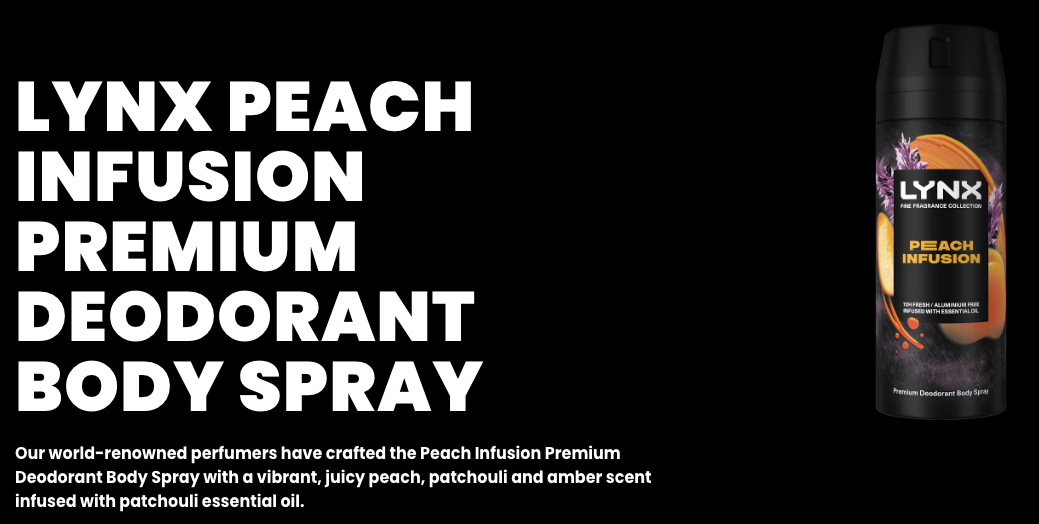
Lynx have premium sprays which use words like “infusion” and “scent” to give a sense of a more premium product.
Try The Fancy Word Swapper GPT
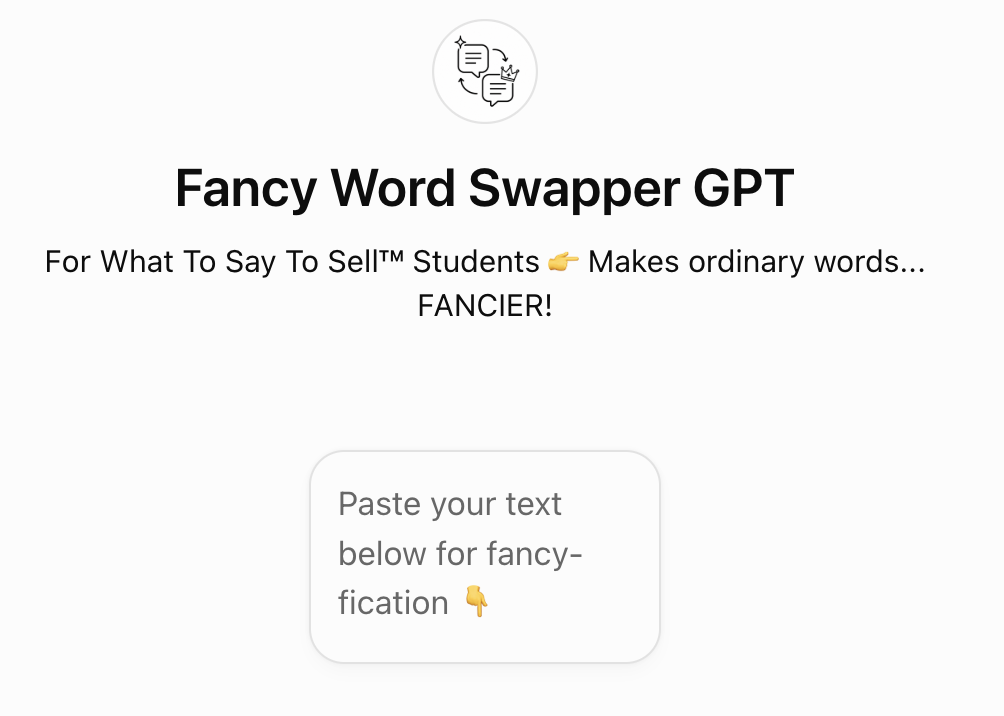
Reading examples is one thing. Doing it yourself is another. So I built a free tool for What To Say To Sell™ students called the Fancy Word Swapper GPT. Paste in any sentence and it swaps your plain words for the fancier version, the same trick Lynx use on their premium range. It’s a quick way to see your own message through a buyer’s eyes before you write anything real.
See also