Practical Sales Training™ > How To Convert > Legislative Selling
Legislative Selling
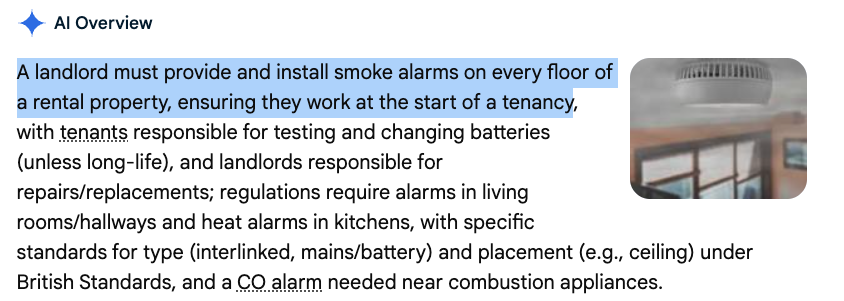
A landlord doesn’t fit a smoke alarm because they want one. They fit it because the law says they have to. That’s the whole sale, decided before a single pitch gets made.
That’s legislative selling. The buyer isn’t weighing up whether they want your solution. They’re working out how to follow a rule that’s already fixed.
This page covers what legislative selling means and how it changes the buyer’s mindset. It also looks at how to sell into it without sounding pushy or alarmist.
What Is Legislative Selling?
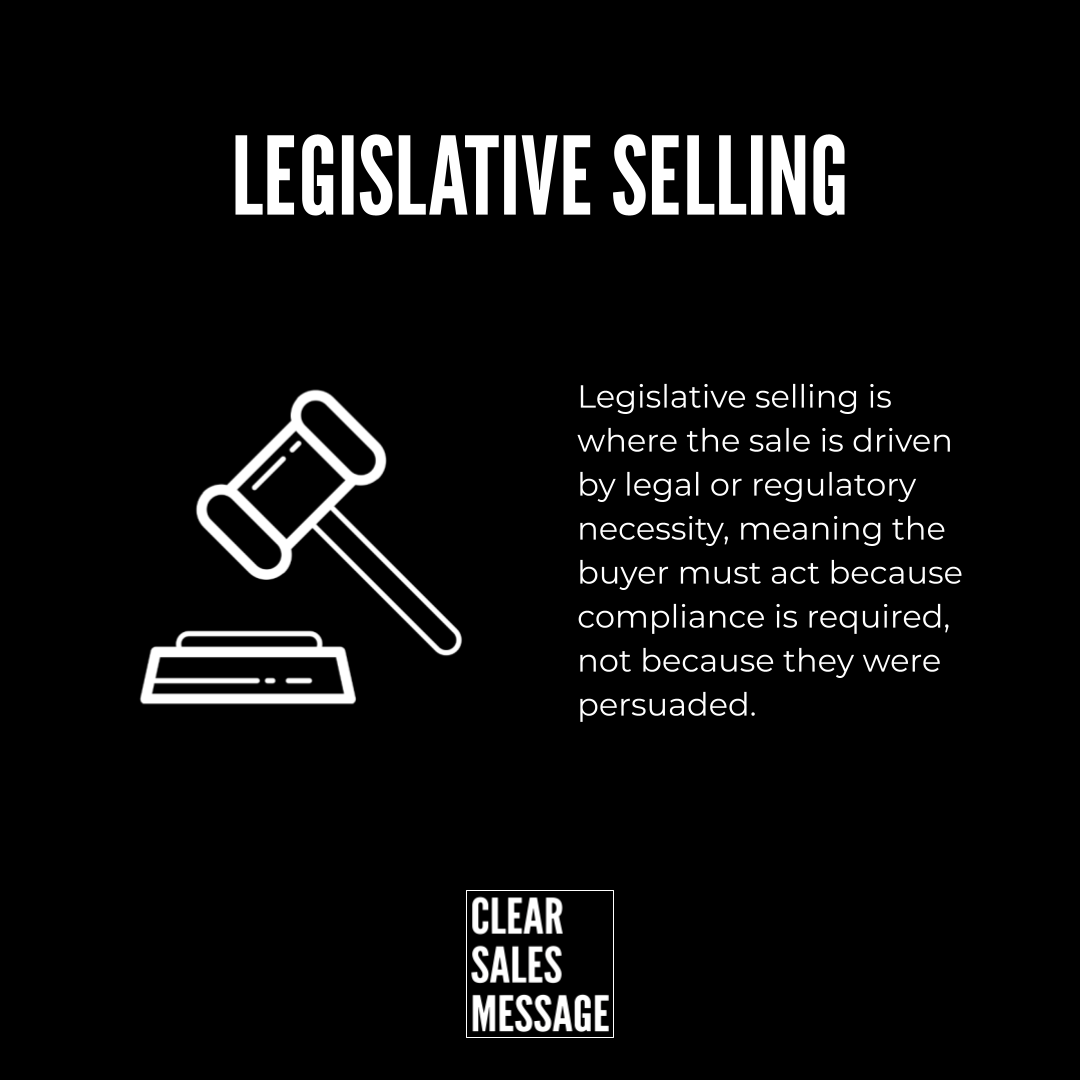
Legislative selling is when a purchase gets driven by a legal or regulatory rule, rather than desire or persuasion.
The buyer isn’t deciding whether they want the solution. They’re deciding how to comply. So the sale exists because doing nothing is no longer an option.
In these situations, the decision isn’t emotional. It’s obligatory.
Why Does Legislative Selling Work Differently?
When a law or rule changes, it creates a forced decision point. A business has to act to stay compliant, avoid fines, or keep running as normal.
That pressure reshapes the whole buying mindset. Buyers stop comparing features for enjoyment or improvement. Instead, they start weighing up risk, timelines, and what happens if they wait too long.
The real driver becomes safety, not upside. So the question shifts. It’s no longer “is this worth it?” Instead, it becomes “what happens if we don’t act in time?”
Because the rule comes from outside the business, resistance to buying is usually lower. What buyers actually want instead is clarity and reassurance that the solution will meet the standard they’re expected to hit.
How Can You Use Legislative Selling In Sales?
Translate, Don’t Pressure
The best approach isn’t pressure or alarm. It’s translation. Buyers need help understanding what the rule means for them. They also need to know what it asks of them, and what happens if they delay.
Remove Ambiguity
Clear timelines matter, and so does cutting out doubt. When buyers can see exactly how your solution helps them meet the rule, the decision turns practical rather than persuasive.
Lead With Competence, Not Sales Energy
Trust matters a lot here, because buyers are often anxious rather than excited. They want suppliers who feel competent, current, and reliable. They don’t want anyone pushy or sales driven.
Be A Guide, Not A Persuader
Legislative selling works best when you act as a guide, not a persuader. You’re not creating urgency. The law already has. So your job is to make following it feel manageable, not scary.
When Legislative Selling Works Best
It works best right after a law changes. That’s the moment buyers feel real pressure to act. They also have the least patience for a slow, pushy sales process.
It also works especially well when you can clearly show how your solution meets the exact standard required. Uncertainty about following the rule often worries the buyer more than the cost itself.
When Legislative Selling Becomes Dangerous
It backfires the moment you lean into fear instead of clarity. A buyer who already feels anxious doesn’t need extra pressure piled on top. They need a calm, competent guide instead.
It can also damage trust if your solution doesn’t truly meet the legal standard it claims to. Selling false comfort on a compliance issue carries far more risk than selling a weak product anywhere else.
Common Legislative Selling Mistakes
Using Scare Tactics
Leaning too hard on fear of fines can feel manipulative, even when the risk is real. Stick to clear facts, and let the law’s own weight do the work.
Leaving The Requirement Vague
If buyers can’t tell exactly what’s required, they hesitate even when the law is forcing their hand. Spell out the rule in plain terms before anything else.
Overselling Beyond Compliance
Pushing extra features onto a buyer who just needs the legal minimum can feel exploitative. Let the real need stand on its own first.
Legislative Selling – An Example
The humble smoke alarm is a clear example of this. Landlords in the UK must install them by law in their rental properties. It doesn’t matter whether they’d choose to otherwise.
Nobody needs convincing that a smoke alarm is a good idea. The sale isn’t about persuading a landlord it’s worth having. It’s about helping them meet a legal need quickly, correctly, and with the right paperwork to prove it.
That’s legislative selling at its simplest. The law created the demand. The supplier’s job is just to make following it easy.
See also