Practical Sales Training™ > Wordplay > Oxymoron

Oxymoron
What Is It
An oxymoron puts two words together that shouldn’t fit, like “fresh frozen” or “deafening silence.” On their own, each word is simple. Put side by side, they clash, and that clash is exactly what makes them stick.
You’ve probably read one today without even noticing. That’s the trick. It slows the brain down for half a second, just long enough for the message to land somewhere deeper than a normal phrase would.
Why Does It Work
Your brain likes patterns, and it notices instantly when a pattern breaks. Two opposite words sitting together is a tiny broken pattern, so it grabs attention almost automatically, before you’ve consciously decided to pay attention at all.
That small confusion also creates curiosity, since your mind wants to resolve the contradiction. Because it can’t just skim past it, it has to stop and work out what the phrase actually means. That short pause is where memory forms. A plain, expected phrase slides straight through. An oxymoron gets caught.
How Can You Use It
Pick Words That Are Genuinely Opposite
A weak oxymoron uses words that are only slightly different, and slightly different doesn’t create any tension at all. Go for a real contradiction, like “small fortune” or “same difference.” The bigger the gap between the two words, the sharper the effect.
Keep It Short
Two or three words is usually the limit. Once you stretch it into a full sentence, the contradiction gets buried under extra words, and buyers stop noticing it. Let the phrase stand alone if you can, since that’s where the punch lives.
Use It On Something That Actually Matters
Don’t waste an oxymoron on a minor detail. Save it for the one thing you most want a buyer to remember, like your headline or your product name. It works best as your one bold moment, not scattered across every line of copy.
Make Sure The Meaning Is Still Clear
A good oxymoron creates curiosity, not confusion. Buyers should still understand what you mean within a second or two. If they need a full explanation to get it, the phrase has crossed from clever into confusing, and confusing loses sales.
When It Works Best
This works best for product names, headlines, and short punchy lines where you want instant memorability. It’s especially strong when your product genuinely does something a little unexpected, since the phrase can then double up as a small explanation of what makes it different.
When It Becomes Dangerous
It becomes weak fast when it’s forced onto a product that doesn’t actually have any contradiction behind it. If the oxymoron doesn’t reflect something true, buyers feel the gap between the clever phrase and the boring reality, and that gap damages trust.
It also risks looking gimmicky in serious sectors. A law firm using playful wordplay can come across as unserious at exactly the moment a buyer wants confidence instead.
Common Mistakes
Choosing A Weak Contradiction
If the two words aren’t truly opposite, there’s no tension for the brain to catch on. Test the phrase by asking whether the words genuinely clash, or just sound slightly odd together.
Overusing It Across A Page
One sharp oxymoron stands out. Five of them on the same page just feel like a gimmick, and the effect wears off fast once buyers spot the pattern repeating.
Losing Clarity For The Sake Of Cleverness
If a buyer has to stop and genuinely puzzle out your meaning, you’ve gone too far. The phrase should still make sense almost instantly, even while it plays with contradiction.
Oxymoron – An Example
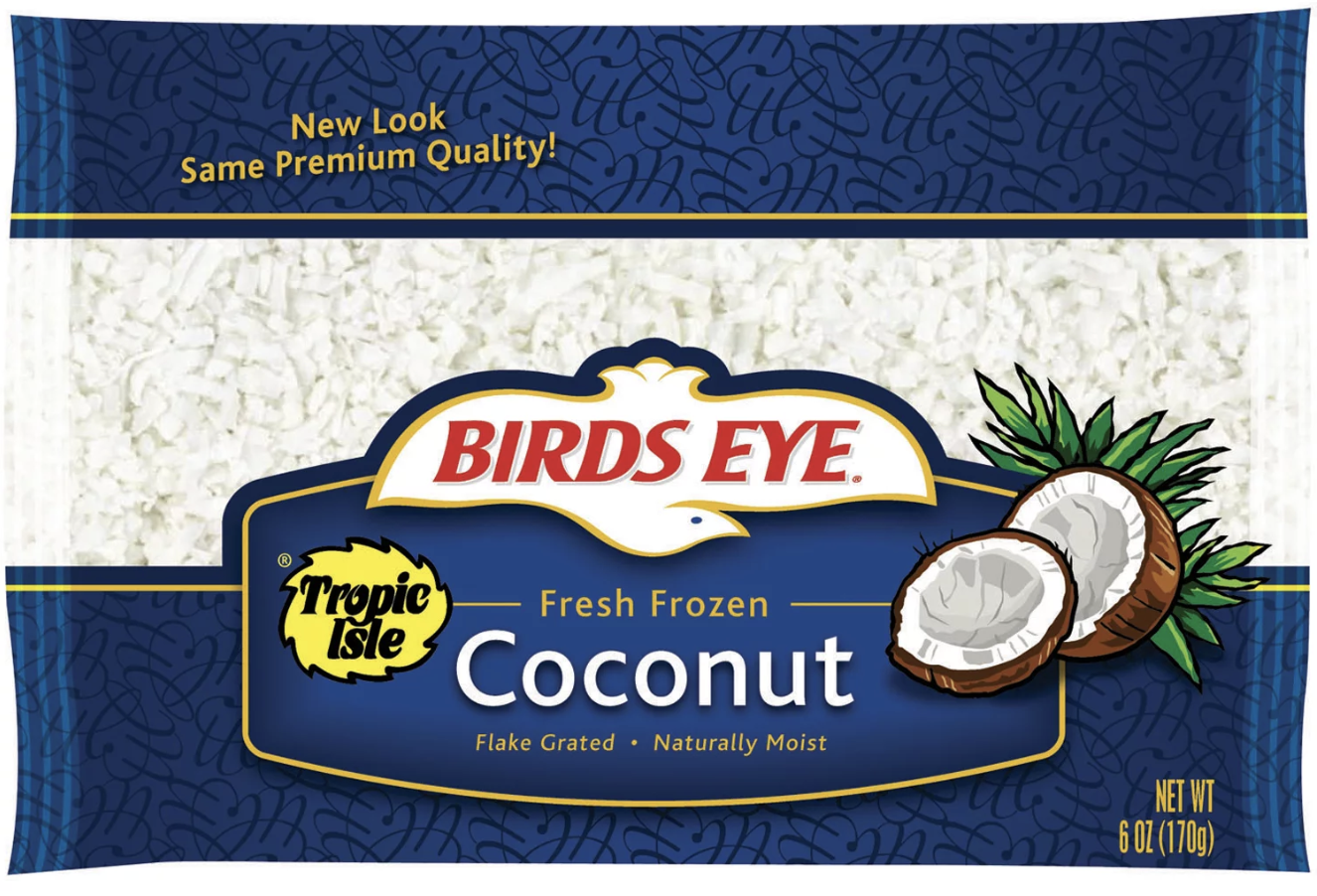
Birds Eye’s frozen coconut packaging uses the phrase “fresh frozen” right on the front. At first glance it seems like it shouldn’t work, since fresh usually means the opposite of frozen.
But that small contradiction is exactly why it catches your eye on a crowded supermarket shelf. It hints that freezing has locked in freshness rather than removed it, turning two clashing words into a quick, memorable promise about the product itself.
See Also