Practical Sales Training™ > How To Lose The Sale> Perceived Desperation

What is Perceived Desperation?
In sales, perceived desperation is when your prospect feels that you need the sale more than they do. It shows up when you’re overly available, too quick to respond, or pushing too hard for the “yes.” Instead of building trust, desperation raises red flags and makes buyers back away.
Sales is about confidence, not neediness. When a buyer senses desperation, it damages your credibility and shifts the power dynamic—you’re no longer the trusted advisor, you’re the “seller trying to close a deal.”
Why Perceived Desperation Hurts Your Sales
When you appear too keen:
-
It reduces your value. If you’re always available, prospects assume you’re not in demand.
-
It creates pressure. Buyers don’t want to feel chased—they want to choose.
-
It damages trust. Desperation makes people question why you’re pushing so hard.
-
It makes you forgetful of the buyer. You focus on your sale, not their problem.
The result? Delayed decisions, ghosting, or a polite “we’ll think about it” that never converts.
Signs You Might Be Showing Perceived Desperation
Ask yourself:
-
Do you reply instantly to every message?
-
Are you discounting too quickly to “save the deal”?
-
Do you keep chasing when a buyer has gone quiet?
-
Do you tell prospects you “really need” their business?
Each of these signals tells your buyer you need them more than they need you—and that’s when deals slip away.
How to Avoid Looking Desperate in Sales
To remove perceived desperation, shift your mindset from “I need this sale” to “I can help if it’s the right fit.” Practical steps include:
-
Set boundaries. Don’t reply at midnight or be “always on.” Respect your own time.
-
Balance follow-up. Stay consistent, but don’t hound. Professional persistence beats pressure.
-
Hold your price. Confident salespeople don’t slash prices—they prove the value.
-
Use scarcity authentically. Limited slots or timelines work when they’re real, not fabricated.
-
Focus on their outcome. Make the conversation about their results, not your target.
The Right Balance: Confidence Without Arrogance
The opposite of desperation isn’t arrogance—it’s calm confidence. Buyers want to feel that:
-
You understand their problem.
-
You can solve it.
-
You’re not desperate for the sale—you’re selective.
That positioning builds authority and makes prospects more eager to work with you.
Example
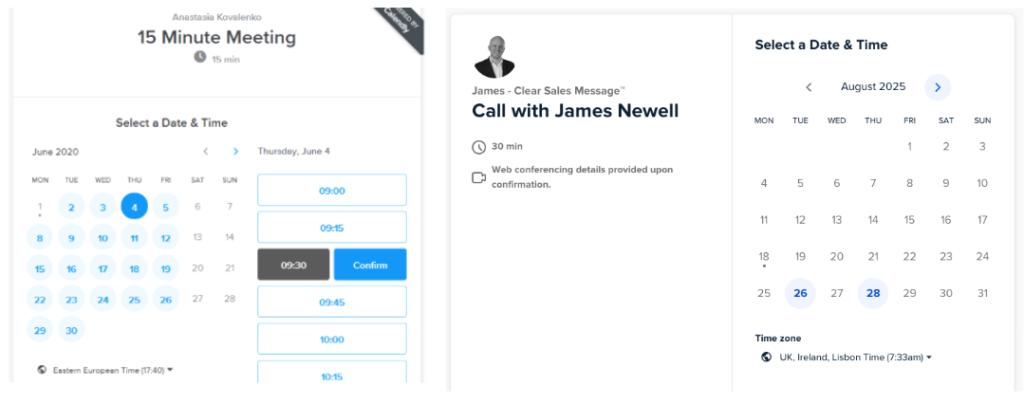
If you go to my Calendly link and see I am available EVERY DAY rather than only a few slots, it implies I’m not busy… and if I’m not busy is it because I’m no good at what I do..?
Which of these 2 pictures would make you feel more confident about working with me based on my diary availability?
See also