Practical Sales Training™ > How To Convert > Proof Competition
Proof Competition
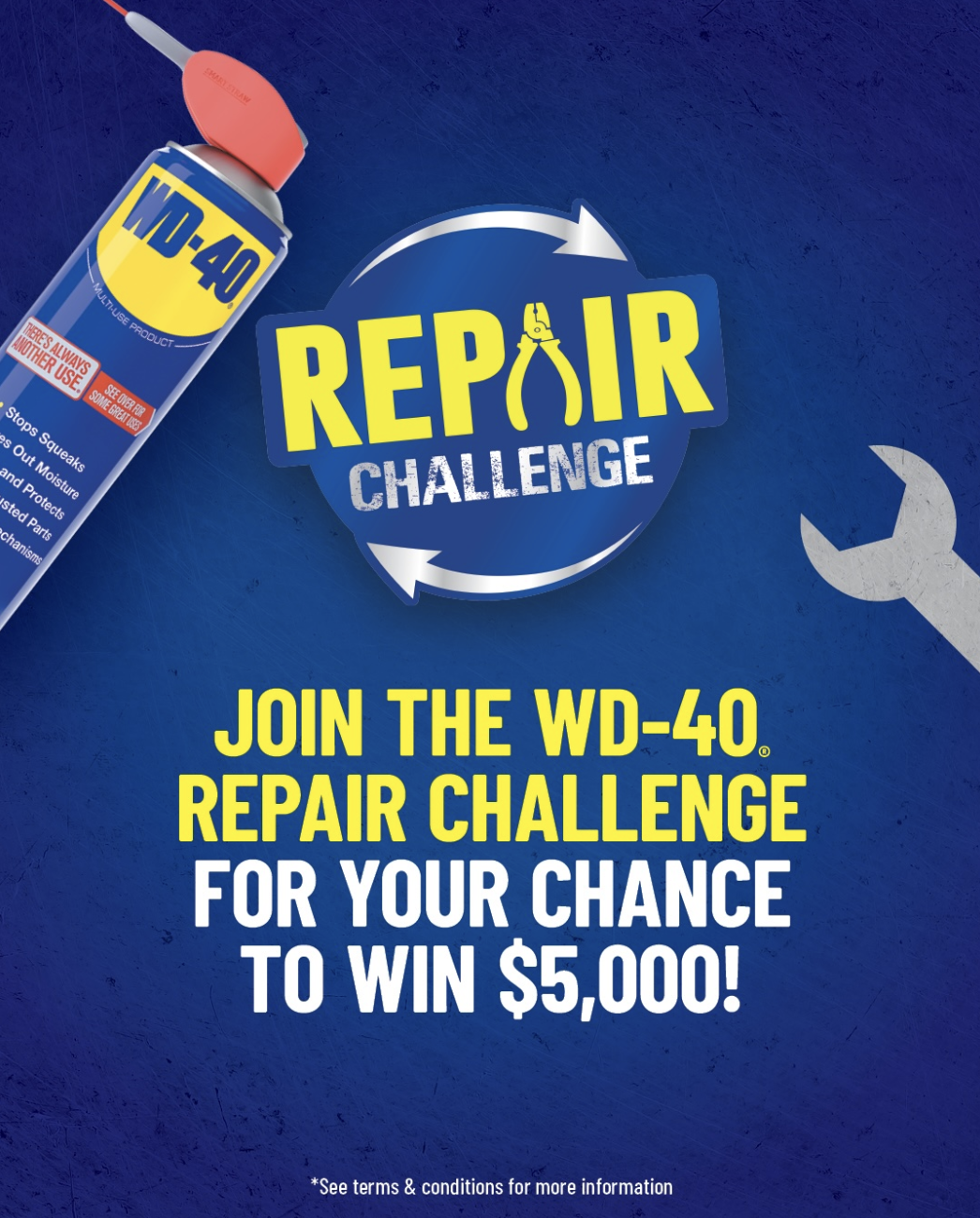
WD-40 runs an annual repair challenge. People compete to fix real things with the product, film it, and share it. So the brand never needs to explain what it does. The customers just show it.
That’s Proof Competition. Instead of arguing that something works, real customers demonstrate it through action.
This page covers what it is, why it builds trust so fast, and how to use it across marketing, sales, and adoption.
What Is Proof Competition?
Proof Competition is a customer challenge where people use a product in real situations to hit a practical goal. Prizes go to the best results.
As participants work to win, they also show the product doing its job. So they create genuine content and real proof at the same time.
Instead of a brand explaining itself, the customers do the demonstrating.
Why Does Proof Competition Work?
People trust other customers far more than they trust brands. So seeing real use builds credibility faster than any explanation can.
Prizes also increase effort and participation. As a result, entries tend to be high quality, specific, and genuinely useful as evidence. Every entry, not just the winning one, becomes usable proof and content.
The brand gains a flow of authentic material. The customers, in turn, get a chance to win and to show off their results.
How Can You Use Proof Competition In Sales?
In Marketing
Run customer challenges that push people to use your product publicly. The result is a flow of real, user-generated content showing genuine outcomes, so instead of polished claims you get actual proof.
In Sales
Use it as a low-risk entry point. Prospects can take part before buying fully, because they see others succeed and often succeed themselves in the process.
In Product Adoption
Encourage customers to actually use the product instead of letting it sit idle. Competition adds motivation, so it speeds up the time to real value.
In Community Building
Create shared energy by letting customers learn from each other’s results and approaches. A challenge gives people a reason to pay attention to what others are doing, so the community becomes more active as a result.
When Proof Competition Works Best
It works best when the product produces a visible, shareable result. So physical tools and anything with a clear before-and-after moment are ideal candidates.
It also works well when an audience already exists but needs activating, because a challenge gives engaged but quiet customers a reason to speak up and share.
When Proof Competition Becomes Dangerous
It backfires when the results customers produce are poor or inconsistent. So bad outcomes shared publicly undermine the product just as much as good ones build it up.
It also risks looking gimmicky if the challenge has no real link to what the product does, because a loose brief produces weak entries that prove very little.
Common Proof Competition Mistakes
Setting A Brief That’s Too Vague
A loose challenge produces weak entries. So give participants a clear task tied directly to what the product does best.
Ignoring The Entries You Don’t Award
Every entry is potential proof, not just the winner. So build a plan to use that content after the challenge closes.
Making The Prize Feel Irrelevant
A prize that doesn’t match what your audience values draws the wrong crowd. Keep it relevant to the people you actually want to attract, because a good prize is also part of the signal the challenge sends.
Proof Competition – An Example
WD-40 runs an annual Repair Challenge where people compete to fix real things using the product. Entrants film their repair, share it, and go in to win a prize.
The result is a library of real-world proof that no ad campaign could buy. Every video shows the product in action, on actual problems, in actual homes and workshops. So the brand never needs to make the case itself.
That’s Proof Competition working at full strength. The customers do the proving, and the prize simply gives them a reason to do it loudly.
See also