Practical Sales Training™ > How To Convert > The Buy The Thing You Used Effect
The Buy The Thing You Used Effect
What Is It
This effect is simple. If someone enjoys using something as part of your service, sell them the exact same thing afterward, not something similar.
A hotel guest sleeps well on your mattress, so you make it stupidly easy for them to buy that exact mattress for their own home. The product already did the convincing. All you’re doing is making the purchase possible.
Why Does It Work
The buyer has already tested the product under completely real conditions, a genuine night’s sleep, a real meal, a real workout, which beats any showroom demo or online review by a wide margin.
The good feeling from that experience gets attached directly to the specific product, not a generic version of it. That’s a very different starting point to a cold advert for a mattress they’ve never lain on.
Timing matters too. The desire to own it shows up naturally, right in the moment the experience feels good, rather than being manufactured later through marketing. You’re simply there to catch it.
How Can You Use It
Tell Them Exactly What It Is While They’re Still Using It
Label the product in the room, on the table, or on the equipment itself, in the moment, rather than waiting until they’ve checked out or left. By the time someone’s gone home, the specific detail of what they used has already started to fade.
Make Buying It Later Effortless, Not A Search
Give them a card, a QR code or a simple link right there, so they never have to identify the exact model themselves afterwards. The moment someone has to search for “that nice hotel bed,” most of them give up and buy nothing at all.
Sell The Exact Same Item, Not A Similar One
The whole effect depends on it being identical to what they experienced. Swap it for a “similar” model and the psychological transfer breaks completely, since the good feeling was tied to the specific thing, not the general category.
When It Works Best
This works best in hospitality and experience led businesses, hotels, restaurants, gyms and spas, anywhere a physical product sits right at the centre of a genuinely positive experience. It suits products people directly interact with long enough to form a real preference, not something glanced at in passing.
When It Becomes Dangerous
It becomes a problem if buying the product turns into a hassle. Add friction and the moment cools off before the person even gets home, taking most of the desire with it.
It’s also risky if it starts to feel like a hard upsell during the experience itself. The whole appeal rests on it feeling like a quiet, easy option, not a pitch interrupting someone’s stay or their meal.
Common Mistakes
Never Mentioning It Until The Guest Has Already Left
Waiting until after checkout to mention the mattress or the meal was for sale means catching someone after the feeling has already faded. Say it while they’re still living the experience, not once it’s over.
Selling A Different Model “Similar To” What They Used
If the product for sale isn’t genuinely identical, buyers notice, and the trust in the whole offer collapses. Never substitute a close match for the real thing, even if it’s more available or cheaper to stock.
Turning It Into A Hard Sell During The Experience
A staff member pushing the purchase mid-stay undoes the entire appeal of the technique. Let the product speak for itself, and keep the actual offer quiet, easy and entirely optional.
The Buy The Thing You Used Effect – An Example
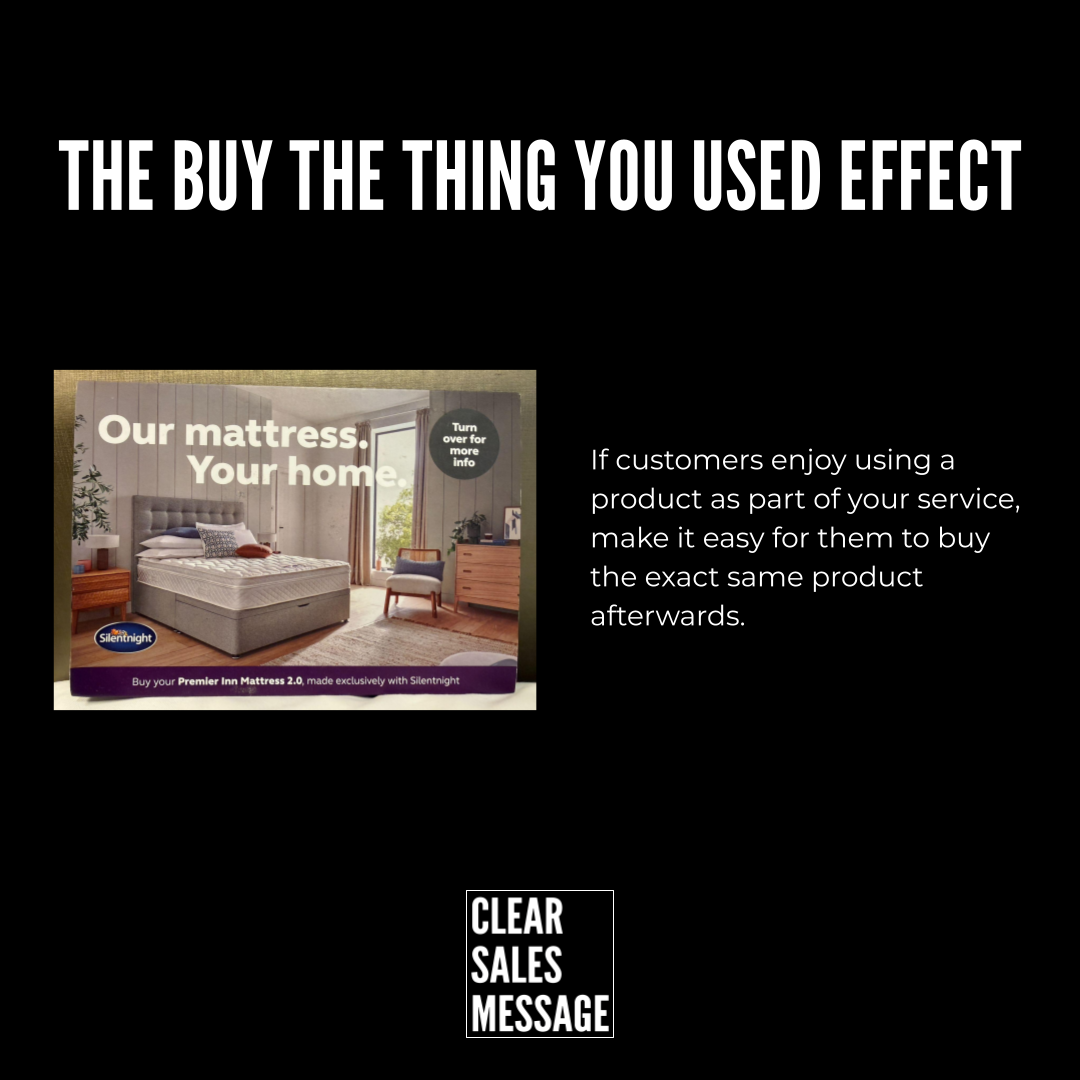
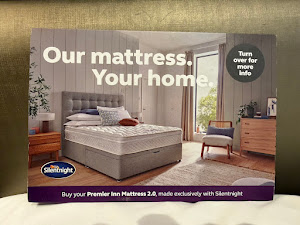
It doesn’t get much clearer than this hotel bedside card. “Our mattress. Your home.” sits right next to the exact Premier Inn mattress a guest has just slept on, with a simple prompt to turn the card over for details on buying the same one for their own bedroom.
See also: