Practical Sales Training™ > How To Keep Your Clients Happy > The Customer Success Effect

The Customer Success Effect
What Is It
Someone just bought from you. Then they open the product, and have no idea where to start. That gap is exactly where the Customer Success Effect steps in.
You reach out after the sale. The goal isn’t to sell more. It’s to make sure they get value from what they already paid for. A welcome guide, a how-to video, a quick check-in email, or a one-to-one call. Anything that helps them use the thing properly. The goal is simple. Help them succeed.
Why Does It Work
It works because most people never squeeze the full value out of what they buy. So step in, and show them how. Suddenly they get better results. They also feel more supported doing it.
That support makes them far more likely to stick around, buy again, and tell others. It turns a purchase into a partnership. And when someone feels like you actually care whether they win, that sets you apart instantly.
How Can You Use It
Build It Into The Post-Purchase Journey
So build the Customer Success Effect into your post-purchase journey. Onboarding emails, checklists, explainer videos, personalised tips, a follow-up call, whatever fits your product.
Focus On Helping, Not Upselling
Keep it focused on them, not on upselling. Just help. So check in early and often, and hand them clear, easy wins they can hit fast.
Let Their Success Compound
The better your customers do, the more they stick with you. And the more they stick, the more valuable your business becomes over time.
When It Works Best
This works best right after purchase, while momentum and motivation are both still high. So the first week matters more than any week that follows.
It also works well with complex products, where the gap between buying and actually using it well is widest. So more setup means more payoff here.
When It Becomes Dangerous
This becomes a problem if the outreach starts to feel like a sales pitch in disguise. So one pushy email breaks trust.
It also backfires if you check in once and disappear. So one email isn’t a strategy, it’s a formality nobody remembers.
Common Mistakes
Over-Automating Every Message
Some brands automate every message so heavily that nothing feels personal. So mix in a real human touch, even if most of the process runs on autopilot.
Only Reaching Out When Something Breaks
Others only reach out when something breaks, treating success outreach as damage control. So be proactive, not just reactive.
Measuring Activity, Not Outcomes
Some brands measure the wrong thing, tracking emails sent instead of customers actually succeeding. So track outcomes, not activity.
The Customer Success Effect – An Example
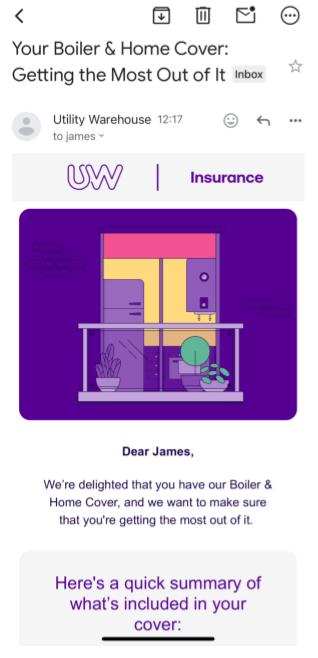
Utilities Warehouse’s Post-Purchase Emails
Utilities Warehouse is known for strong customer service, and their post-purchase emails show why. They send buyers practical tips on getting the most from their products and services, not another pitch. It lands as help.
See also: