Practical Sales Training™ > How To Convert > The Merchandise Effect

What is it?
The merchandise effect is when a business generates additional profit by selling branded merchandise alongside its main offer.
The merchandise itself is rarely the core value. What people are really buying is affiliation. A way to signal that they belong to something, believe in something, or identify with what the brand represents.
When done well, merchandise feels optional, expressive, and earned rather than pushed.
How does it work?
Merchandise works because it sits at the intersection of identity and commitment.
Once someone has bought into a brand, worn or used items become a way to externalise that decision. The product moves from being something they purchased to something they associate with who they are, or at least what they support.
Psychologically, this deepens loyalty. Buying merchandise reinforces the original decision and increases emotional attachment without requiring another big commitment. The spend feels lighter because it’s framed as an add on, not a core purchase.
From the business side, merchandise often carries healthy margins and creates revenue that isn’t tied to delivering more of the core service. That makes it a powerful non core income stream when used thoughtfully.
How can you use it?
You use the merchandise effect to strengthen connection and unlock additional value without complicating your main offer.
Merchandise works best when it reflects something your audience already believes or wants to be associated with. It should feel like a badge, not an advert. When people are proud to use it publicly, the value goes beyond the transaction.
It’s also important that merchandise never feels like a distraction. If the core offer isn’t strong, selling merchandise feels premature. But when trust is already established, merchandise becomes a natural extension rather than a cash grab.
The most effective merchandise doesn’t chase volume. It rewards alignment.
When people choose to buy it, they’re not just spending money.
They’re reinforcing a relationship.
And relationships are what make brands durable.
Example
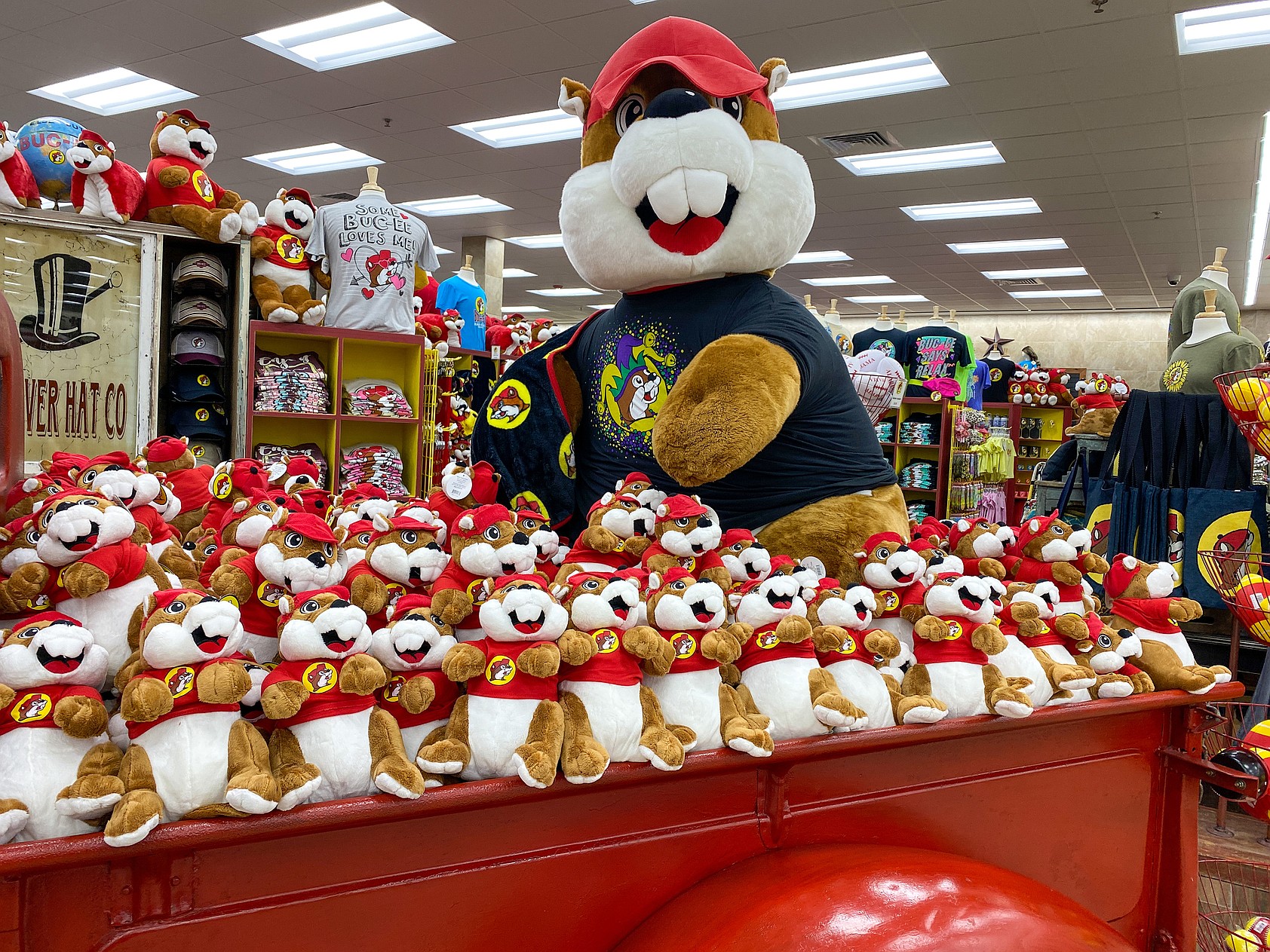
Buc-ees is a world record breaking chain of service stations in the USA who have become so eponymous that they sell merch for their brand.
See also