Practical Sales Training™ > How To Lose The Sale > The Not Going To Use That Effect
The Not Going To Use That Effect
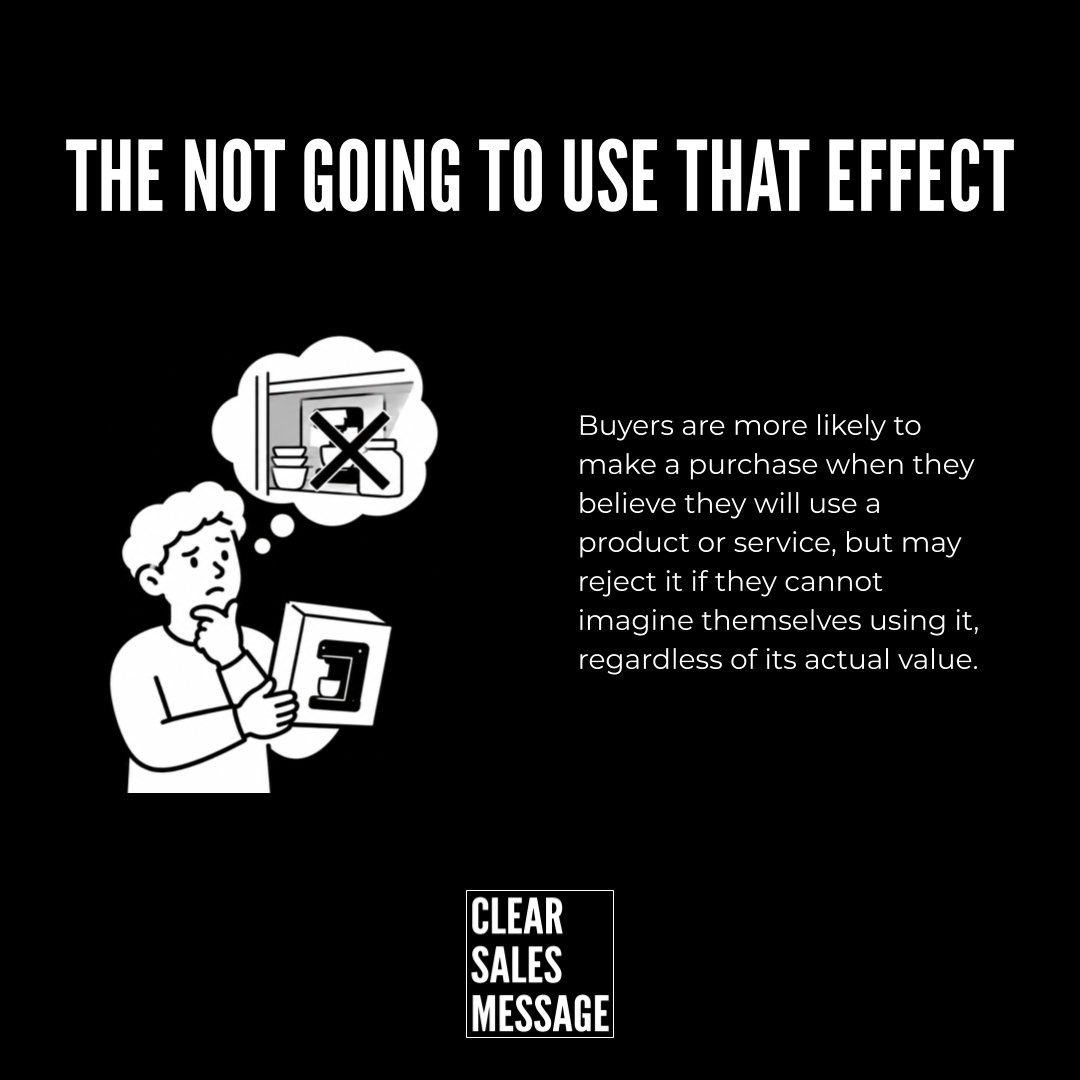
We’ve all got one. A bread maker in the cupboard. Or a gym pass that ran out unused. Maybe a guitar gathering dust in the corner. So next time something similar catches our eye, a little voice says, “Be honest. You’re not going to use that.”
That’s The Not Going To Use That Effect. Buyers don’t just ask whether a product is good. They ask whether they’ll actually use it. And if the answer feels like no, the sale is gone.
What Is The Not Going To Use That Effect?
It’s the doubt buyers feel when they can’t picture a product in their real life. The product might be great value. But if they can’t see themselves using it, they walk away.
It often comes from past regret. Most people have bought something with good intentions and then never used it. So they’re wary of making the same mistake again.
It hits B2B too. A buyer may love your software but think, “My team won’t actually adopt this.” As a result, they don’t buy, even when the product would help.
Why Does The Not Going To Use That Effect Lose Sales?
It loses sales because buyers judge their future selves. They picture next week, not the perfect version of themselves. So if that picture doesn’t include your product, they say no.
It also brings back guilt. Unused purchases feel like wasted money. In fact, the memory of past waste can be stronger than the pull of a new product.
Then there’s effort. If using your product looks hard or time-consuming, buyers doubt they’ll keep it up. As a result, they don’t start.
Finally, it’s often invisible. Buyers rarely say “I won’t use it” out loud. Instead, they say they’ll think about it, and you never hear back.
How Can You Avoid The Not Going To Use That Effect?
Here’s how to help buyers picture the habit.
Show It In Everyday Life
Show people using your product on an ordinary day, in an ordinary home or office. So buyers can see where it fits in their routine.
Make Using It Look Easy
Highlight how quick and simple it is to use. For example, “Ten minutes before work” feels far more doable than “a full workout.”
Use Stories From Real Users
Share how ordinary customers fit it into busy lives. As a result, buyers think, “If they can, so can I.”
Help Them Start Strong
Offer onboarding, reminders or a simple first-week plan. So the habit forms before doubt creeps in.
Ask How They’ll Use It
In a sales chat, ask when and where they’d use it. Their answer builds a picture in their mind. It also shows you whether the doubt is there.
When Does The Not Going To Use That Effect Hurt Most?
It hurts most with products that need regular effort. Fitness kit, courses, hobbies and software all fit.
It also bites with pricey purchases. The more something costs, the worse an unused one feels.
And it matters for B2B tools that need team buy-in. A product the boss loves but the team ignores is a common fear.
When Does Tackling It Become Dangerous?
It gets dangerous when you overpromise how easy it’ll be. If your ads show effortless use but the reality is hard, buyers feel misled. And they’ll ask for refunds.
It also backfires when you pressure people who won’t use it. Selling to someone who’ll leave it in a cupboard creates regret. So they won’t buy from you again.
Watch out for perfect, polished images too. Spotless homes and super-fit models can make buyers feel the product isn’t for people like them.
What Are The Common Mistakes With The Not Going To Use That Effect?
Most mistakes come from selling the product instead of the habit. Here are the ones I see most.
Only Showing Features
Specs don’t help buyers picture daily use. So show the product in action.
Using Unrealistic Images
Showroom shots feel far from real life. Instead, show real homes and real routines.
Ignoring The Doubt
Many sellers never address the “will I use it?” worry. So bring it up yourself and answer it.
Leaving Buyers Alone After Purchase
The first weeks decide whether a habit sticks. So stay in touch and help them get going.
The Not Going To Use That Effect – An Example
Peloton
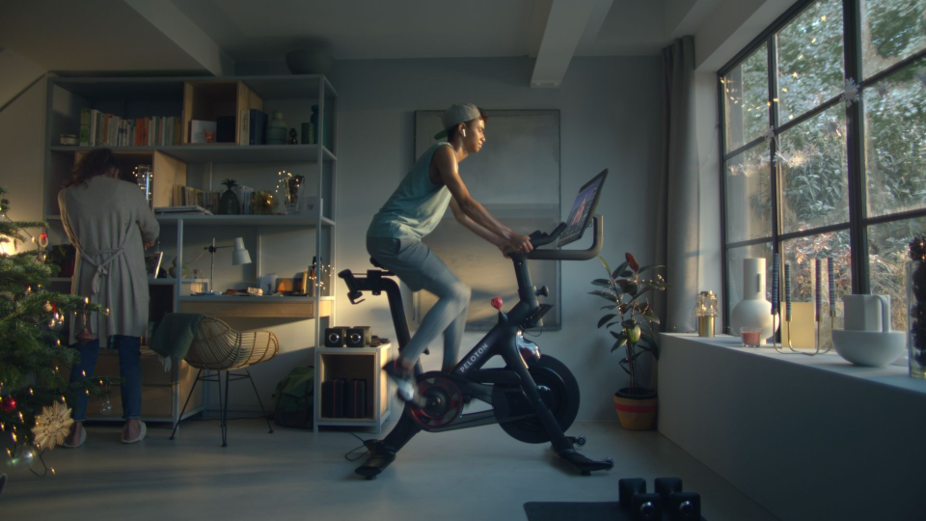
Exercise bikes – peloton tried to reassure buyers of this.
Exercise bikes are a classic “not going to use that” purchase. Plenty of people picture one turning into a clothes rail. So Peloton’s ads tend to show the bike as part of normal home life.
The bike sits in a lived-in room, with family life going on around it. That helps buyers picture themselves riding on an ordinary day. As a result, the big worry shifts from “will I use it?” to “when shall I ride?”
See Also