Practical Sales Training™ > How To Convert > The Reusable Effect

The Reusable Effect
Some products get used once and binned. Others keep going. The Reusable Effect describes what happens when a product lasts. Buyers start to see that longevity as part of its value.
When something works again and again, the cost per use drops over time. So buyers feel like they’re getting more for their money, even when the upfront price is higher.
For sellers, it’s also a powerful signal. A reusable product says quality, durability, and care. Those associations build trust and attract buyers who want more than a cheap throwaway.
What Is The Reusable Effect?
The Reusable Effect is the value a product creates by lasting through many uses rather than just one. Instead of a buy-use-bin cycle, the buyer gets something that keeps working. That changes how they think about price.
A single-use item feels cheap at the point of purchase. Over time, though, buying the same thing repeatedly adds up. A reusable alternative costs more upfront, yet saves money in the long run. So the value story flips once buyers do the maths.
The effect also works on identity. Buyers who choose reusable products often see that choice as a statement. That emotional connection is hard to compete with.
Why Does The Reusable Effect Work?
It works because it changes the comparison. Buyers stop comparing the price of one reusable item against one single-use item. Instead, they stack it against buying single-use versions dozens or hundreds of times.
When that shift happens, the reusable product wins easily. A reusable coffee cup at £20 versus a disposable cup at £0.30 looks expensive at first. After 70 uses, however, the reusable version has already paid for itself.
There’s also a feel-good factor. Buyers who choose reusable products feel better about the purchase. That positive feeling attaches to the brand, so loyalty builds faster and runs deeper than with a single-use product.
How Can You Use The Reusable Effect In Sales?
Offer a branded reusable product
Offer a branded reusable product alongside your core service. A coffee shop that sells its own cup creates a walking advert. Every time a customer uses it elsewhere, the brand travels with them.
Build a refill scheme
Build a refill scheme around your product. Cleaning supplies, cosmetics, and food products all work well with this model. The buyer keeps the container and orders refills. That creates a repeat purchase habit without a hard sell each time.
Use reusable packaging as a reward
Use reusable packaging as a gift or loyalty reward. A high-quality branded item sits on a buyer’s desk or in their bag for years. That’s long-term visibility for a one-time cost.
Show the cost per use
Help buyers do the maths. Show the cost per use over time, because that comparison shifts how they see the price. A £25 water bottle that replaces a £1.50 daily purchase pays back in under three weeks.
When The Reusable Effect Works Best
The Reusable Effect works best when the reusable version delivers clearly better quality. If it feels cheap or awkward, buyers won’t reach for it a second time. So build it to last and make it a pleasure to use.
It also works best when the saving is easy to see. Help buyers do the maths upfront, because once they see the comparison, the higher price stops being an objection and starts being a reason to buy.
And it works best when the product carries meaning beyond function. Buyers who feel proud to use something keep using it far longer. So design matters. A reusable product that looks great gets used more.
When The Reusable Effect Becomes Dangerous
The risk is overpromising durability. If a product billed as reusable wears out quickly, buyers feel cheated. That damages trust far more than a single-use product that simply runs out. So only claim reusability when the product genuinely delivers on it.
There’s also a risk of the upfront price creating a barrier. Some buyers won’t make the jump from cheap and disposable to better and lasting. A trial offer or a starter kit can bridge that gap.
And if the reusable product is awkward to clean, buyers stop using it. Convenience still matters, even for eco-conscious buyers. So make ongoing use as easy as the first use.
Common Reusable Effect Mistakes
Making it hard to clean
If washing the product takes too much effort, buyers go back to disposables. Keep the process simple, and consider including care instructions with every purchase.
Hiding the value story
Many sellers price a reusable product without explaining why it costs more. Show buyers the cost per use comparison, because once they see the maths, the price objection disappears.
Ignoring the design
A reusable product that looks good gets carried in public. That visibility turns every user into a brand ambassador. So invest in how it looks as much as how long it lasts.
Overpromising on lifespan
Claiming a product lasts forever when it doesn’t is one of the fastest ways to lose a customer’s trust. Be specific about lifespan and honest about care requirements. Buyers respect honesty far more than they resent a realistic claim.
The Reusable Effect – An Example
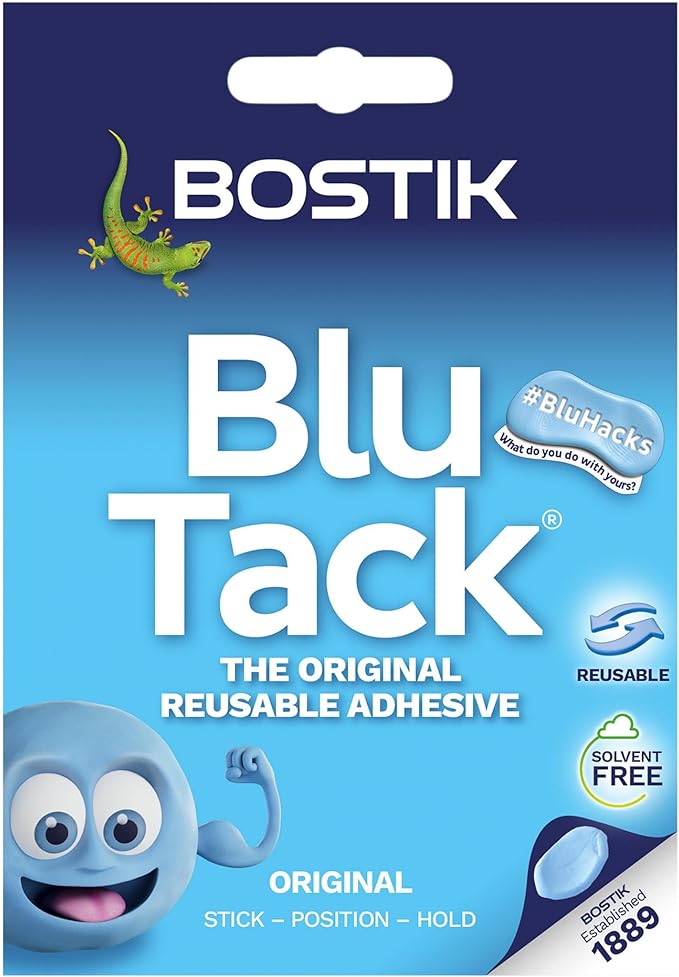
Blu Tack is one of the simplest examples of the Reusable Effect. You use it, peel it off, reshape it, and stick it again. The same piece lasts for years, so there’s no repurchase cycle to worry about.
Yet buyers keep coming back for more, because the product has become a staple. That’s the power of something built around reuse. The value is clear, the habit forms fast, and the brand becomes part of the buyer’s everyday life.
See also