
Practical Sales Training™ > How To Get Attention > Useful Tool Effect

Useful Tool Effect
Give something away for free. So build trust before you ever ask for money.
A genuinely useful tool does more than a good advert ever could. So people use it, return to it, and start trusting the name behind it.
What Is It
The useful tool effect means creating a free tool buyers actually want to use. So instead of pitching straight away, you build a relationship first.
That relationship often leads to a sale later. Since trust builds slowly, a free tool gives it time to grow.
Why Does It Work
It works because we all love free things. So thanks to Google, we expect high quality tools without paying for them.
We use these tools without noticing what’s really happening. Since we’re already in a commercial relationship, just an early one.
This is the freemium model in action. Since the tool costs nothing, trust costs nothing to build either.
How Can You Use It
In theory, this makes sense straight away. So the hard part is deciding what to actually build.
Solve A Real Problem For Free
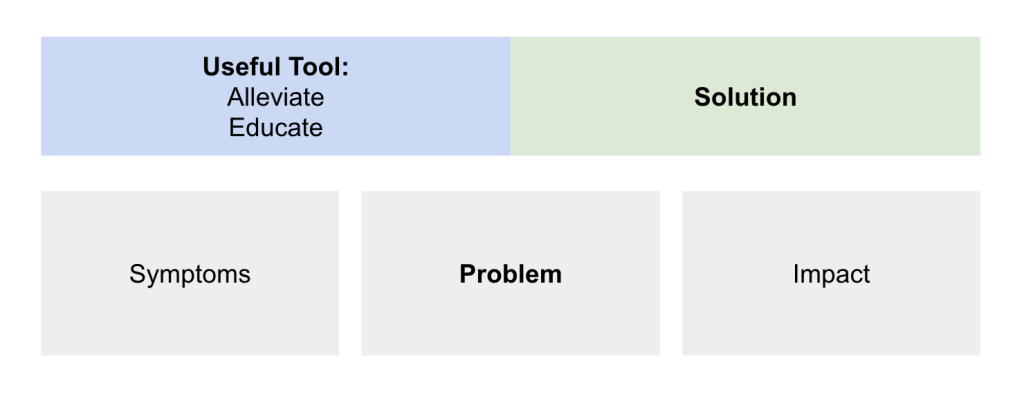
Build something that solves a real, specific problem. So the tool needs to genuinely solve a real problem.
Educate along the way if you can. Since a tool that teaches something builds more trust than one that just performs a task.
Stop Short Of Solving Everything
Stop short of solving the whole problem. So the tool should ease things, not replace the reason to buy from you.
If your tool answers everything, the buyer has no reason left to pay. Since that defeats the entire point of building it.
When It Works Best
This works best when the tool connects naturally to what you sell. So the link between using it and needing your product should feel obvious.
It also helps when people return to the tool often. Since repeated use keeps your name fresh in their mind.
When It Becomes Dangerous
It becomes dangerous if the tool does your job for the buyer. So if it solves the whole problem, there’s nothing left for you to sell.
It also fails if the tool sits disconnected from your offer. Since trust builds, but never actually leads anywhere useful for you.
Common Mistakes
Making The Tool Solve Everything
Some businesses build a tool that solves everything. So buyers get full value and never need to buy at all.
Building A Tool Unrelated To What You Sell
Some build tools unrelated to what they actually sell. So trust grows in a direction that never leads back to a sale.
Abandoning The Tool After Launch
Some launch a tool, then abandon it completely. So it goes stale, and a badly maintained tool damages trust.
Useful Tool Effect – An Example
Kleenex’s Pollen Forecasting App
Kleenex have a pollen forecasting app that helps people manage hay fever.
People with hay fever need tissues. So when it comes to buying tissues, they’re already familiar with Kleenex. They may unknowingly feel the need to reciprocate by choosing their brand.

See also:
- Lead Magnet
- The Quick Win Effect
- The Calculator Effect
- 100+ ways to seize buyer attention
- 100+ ways to differentiate