

Practical Sales Training™ > How To Keep Your Clients Happy > The Service Effect
The Service Effect
What Is It
Most businesses fail to understand the importance of customer service, and looking after people. But it can be crucial to obtaining and keeping clients.
It sounds like an obvious thing to get right. Yet most companies still treat it as an afterthought, something handled only once something’s already gone wrong.
Done properly, it becomes a genuine reason people choose and stay with you, not just damage control.
Why Does It Work
Let’s face it, most customer service isn’t great. If we get a response at all, it’s nice. If it’s quick, even better. And if it’s an actual named contact who then follows up to make sure all is okay, it’s mind blowing.
When a business takes the time to ensure their customers are cared for, it can make a huge difference. It sparks great things like customer feedback and referrals.
The bar is genuinely low in most industries. So even a modest improvement in how you treat people can feel remarkable by comparison.
How Can You Use It
Step 1: Focus on customer experience
How could you eliminate issues, speed up resolution, and provide your clients with every resource they need to find answers to their problems as quickly as possible? You could even have an agreed SLA for how long it takes to respond to queries. Make yourself as easy to deal with as possible, and standardise answers to as many questions as you can, both before and after purchase.
Step 2: Ask for genuine feedback
Ask clients for feedback, testimonials, or case studies, anything that provides an independent perspective on how great your service is in a real world application.
Step 3: Collate it and communicate it boldly
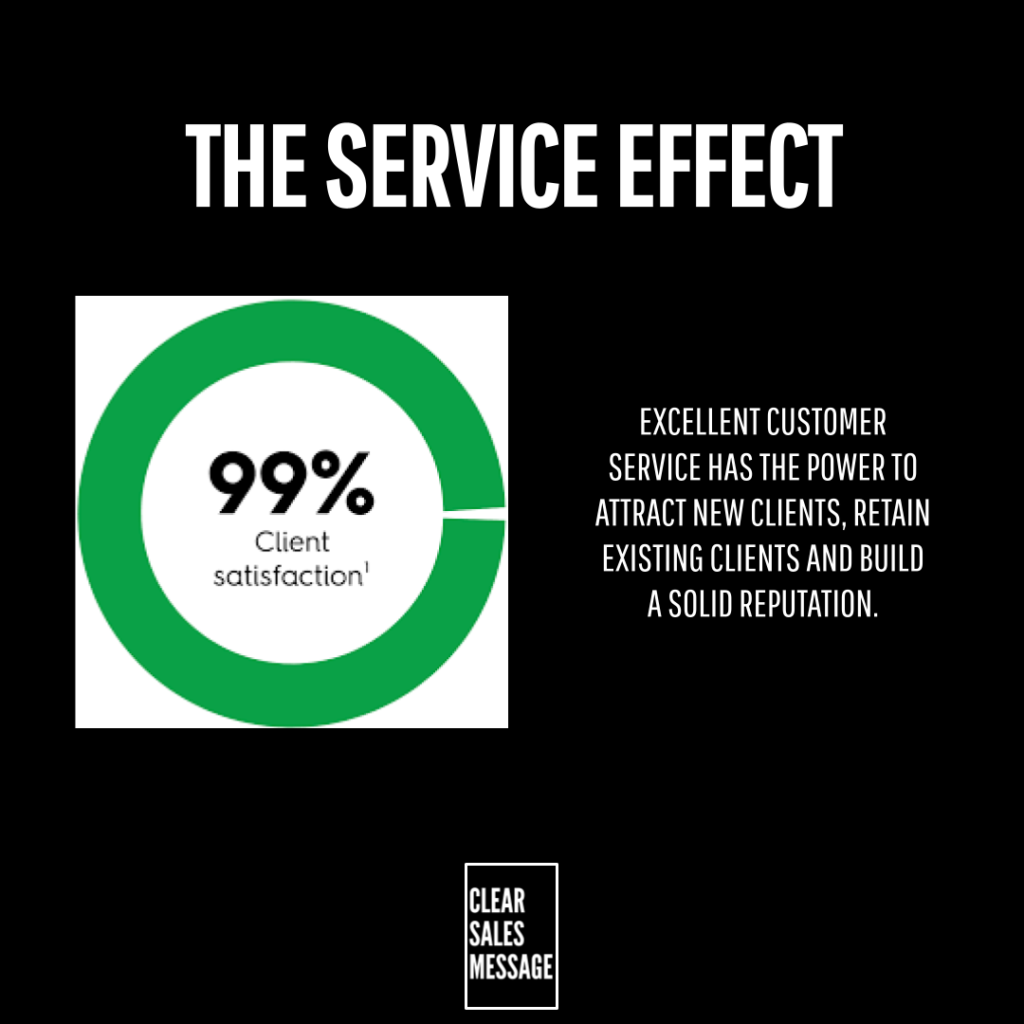
Collate the feedback and communicate it clearly. Visualise the results in the most meaningful and boldest way possible, rather than leaving it buried in a testimonials page nobody visits.
When It Works Best
This works best in relationships that extend beyond a single transaction, ongoing services, subscriptions, and anything with a real chance of repeat business.
It also works best in industries where service is genuinely weak across the board. The lower the bar, the more a small improvement stands out.
When It Becomes Dangerous
It backfires if the care feels performative rather than genuine. A scripted “checking in” call that clearly serves your sales pipeline, not the client, undoes the trust it was meant to build.
It also becomes risky if you promise a standard of service you can’t consistently deliver. One excellent experience followed by silence damages more than never raising the bar at all.
Overpromising response times causes its own problem too. An SLA you regularly miss is worse than never stating one in the first place.
Common Mistakes
Only following up when there’s a problem
Reaching out solely to fix complaints trains clients to expect contact only when something’s wrong. Reach out when things are going right too.
Automating everything, including the personal touch
A templated email can handle logistics fine. A genuine check in call from a named person does something a template never can.
Collecting feedback but never using it visibly
Feedback sitting in a spreadsheet helps nobody. Share it boldly, since it does more convincing than almost anything you could say about yourself.
The Service Effect – An Example
A Boutique Financial Planning Firm
A boutique financial planning firm noticed that many clients hesitated to commit after the first consultation. Rather than pushing harder in the sales call, they focused on exceptional follow-up service. Here’s what they did:
- Immediate Acknowledgement
After every consultation, clients received a personalised email from a named advisor within 30 minutes, summarising the conversation and thanking them for their time. - Proactive Follow-Up
Three days later, the same advisor called each client, no automated emails, just to ask:
“Was there anything you’ve thought of since we last spoke that I can help clarify?”
- No-Sell Check-In
One week later, they sent a short video update with answers to the 3 most common questions they’d received from other clients at the same stage, offering value with zero sales pressure.
See also