

Practical Sales Training™ > How People Work > Question Context

Question Context
What Is It
When a buyer asks you a question, it never exists in isolation. It always sits inside a bigger picture they’re trying to build in their head.
Recognise that context, and you answer far better. Miss it, and you end up answering the words instead of the actual concern behind them.
Why Does It Work
It works because it’s simply human nature. Asking questions helps us build a picture, and reassure ourselves that what we’re buying will genuinely deliver.
Buyers aren’t just checking for results either. They’re also confirming the purchase will meet all their expectations, and fit comfortably with their needs and situation.
How Can You Use It
Ask What’s Behind The Question
Simply ask something like, “what makes you say that?” to dig a little deeper. That one follow up often reveals far more than the original question did.
Put Yourself In Their Position
Consider it from the other side. If you were the buyer, why would you actually be asking about this particular thing?
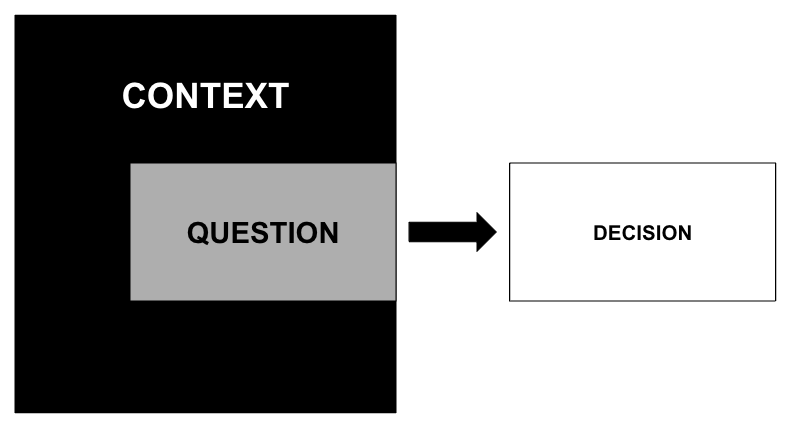
The question they ask always sits inside a wider context. It’s the combination of the question itself, and the reason behind it, that shapes their final decision.
When It Works Best
It works best with technical or detailed questions. A simple yes or no answer often misses the real concern entirely. These moments reward a little extra digging.
It’s also valuable earlier in a relationship, before you understand a buyer’s situation well. Context fills in gaps that experience would otherwise cover naturally.
When It Becomes Dangerous
Ignoring context becomes risky the moment you answer literally, while missing the real worry underneath. A technically correct answer can still leave a buyer feeling unheard.
It’s also risky to over-interpret, assuming a hidden concern that was never actually there. Sometimes a question really is just a question, and reading too much into it wastes everyone’s time.
Common Mistakes
Answering Only The Literal Words
Treating every question as a simple fact request misses the bigger picture behind it. Slow down, and consider what’s actually driving the question.
Never Asking A Follow Up
Jumping straight to an answer, without checking what prompted the question, skips the most useful part of the conversation. A single follow up often changes everything.
Assuming You Already Know Why
Guessing the reason behind a question, rather than confirming it, risks solving the wrong problem entirely. Check your assumption before building an answer around it.
Question Context – An Example
One Question, Several Possible Concerns
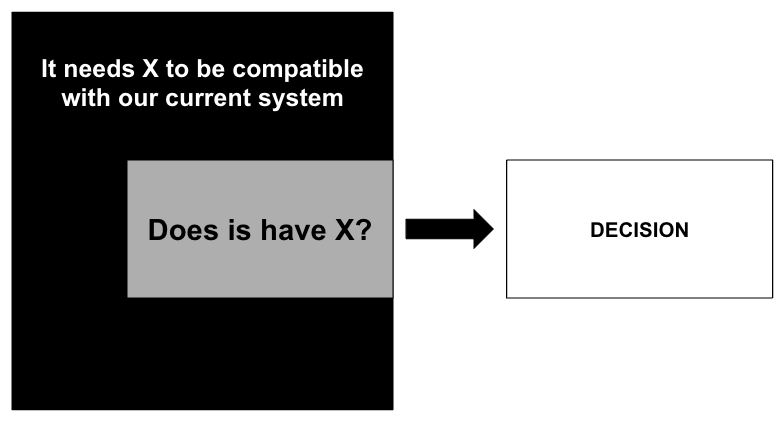
A buyer needs to know if your solution is compatible with their existing system. They ask if your solution has a specific feature.
Taken at face value, that question has one answer. Explored properly, it might reveal other compatibility questions or concerns worth addressing at the same time.
See also