Practical Sales Training™ > How To Convert > Nostalgia Pricing

What is Nostalgia Pricing?
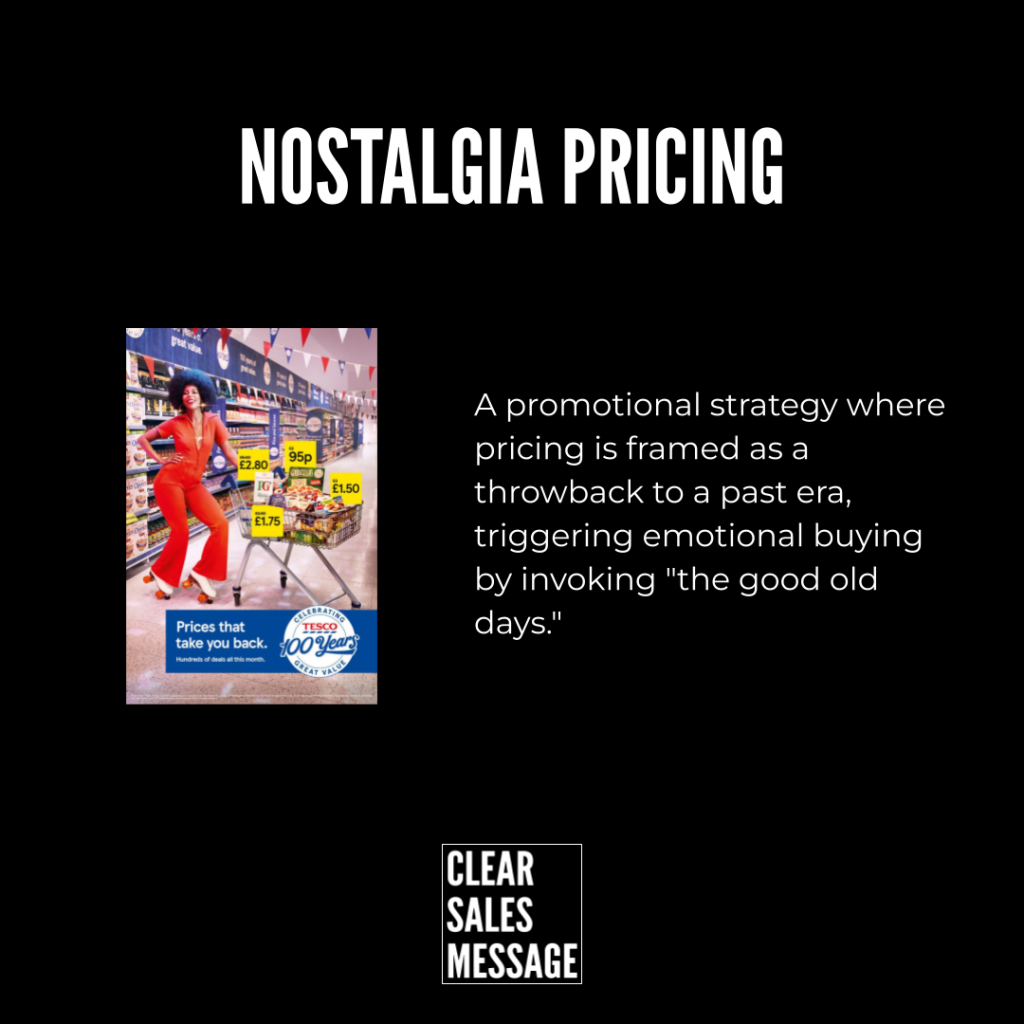
Nostalgia pricing is a sales and marketing strategy where a product or service is offered at a price from the past to evoke fond memories and encourage purchases. It taps into the emotional connection customers have with “the good old days” when things seemed simpler, cheaper, or more enjoyable.
By using pricing from a specific era, businesses can create a sense of trust, warmth, and urgency, often leading to increased engagement and sales.
How does Nostalgia Pricing work?
Nostalgia pricing blends emotional marketing with a clear financial incentive.
-
Choose the time period
Pick a year or era your audience remembers fondly. For example, “1999 prices” or “Pre-Euro pricing”. -
Set the offer
Decide whether the nostalgic price applies to all products, a specific range, or for a limited time only. -
Build the story
Frame the pricing in a way that sparks emotion. Link it to a milestone, anniversary, or cultural event. -
Promote the connection
Use visuals, language, and design elements that reflect the chosen era. This strengthens the emotional pull. -
Create urgency
Run nostalgia pricing for a short period to make it feel special and encourage quick action.
How can you use Nostalgia Pricing?
Nostalgia pricing can be applied in retail, hospitality, entertainment, and online sales.
-
Anniversary celebrations
Offer original launch prices to mark your company’s milestone year. -
Themed events
Restaurants and bars can pair retro pricing with era-specific menus or entertainment. -
Limited-time promotions
Shops can feature a “throwback week” with selected items at old prices. -
Product re-launches
Bring back a classic product with its original price for a short run. -
Seasonal campaigns
Tie nostalgic prices to holidays, school reunions, or cultural anniversaries.
Example
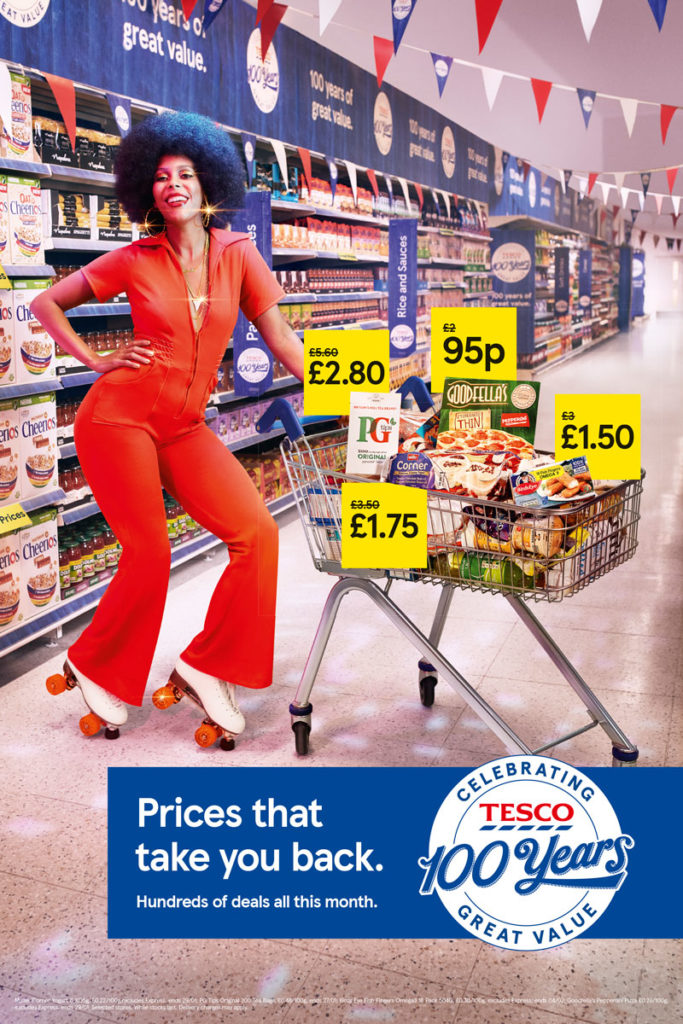
Tesco often run a “rollback” style pricing promotion.
See also