Practical Sales Training™ > How To Lose The Sale > Negative Connotation Names
Negative Connotation Names: When Your Name Backfires
Say your company name out loud to a stranger. Then say it again, slower. Now abbreviate it. Does anything change?
Most founders skip this test. They pick a name that sounds strong or feels personal. Job done. So nobody checks what happens next, not once customers start shortening it, mocking it, or mistranslating it abroad.
So that gap is where this problem lives. But a name can be fine on paper and toxic in practice.
What Is It
This is what happens when your name carries a meaning you never intended. A shortened version might spell a rude word. Or a normal word might turn into a joke once your service fails too often. It could also just translate badly abroad.
Try abbreviating “Ferrari UK” and you’ll see the problem instantly. Nobody at head office planned that, but it happened anyway. Now it can’t be undone.
Why Does It Work
Your brain links things automatically. It hears a word and reaches for the nearest association, whether you want it to or not. Usually this helps you. It’s fast pattern matching, so it saves time.
But the same wiring turns against you here. Once a customer spots the double meaning, they can’t unsee it. So that joke now filters every future interaction they have with you. Trust erodes quietly, so you rarely find out why.
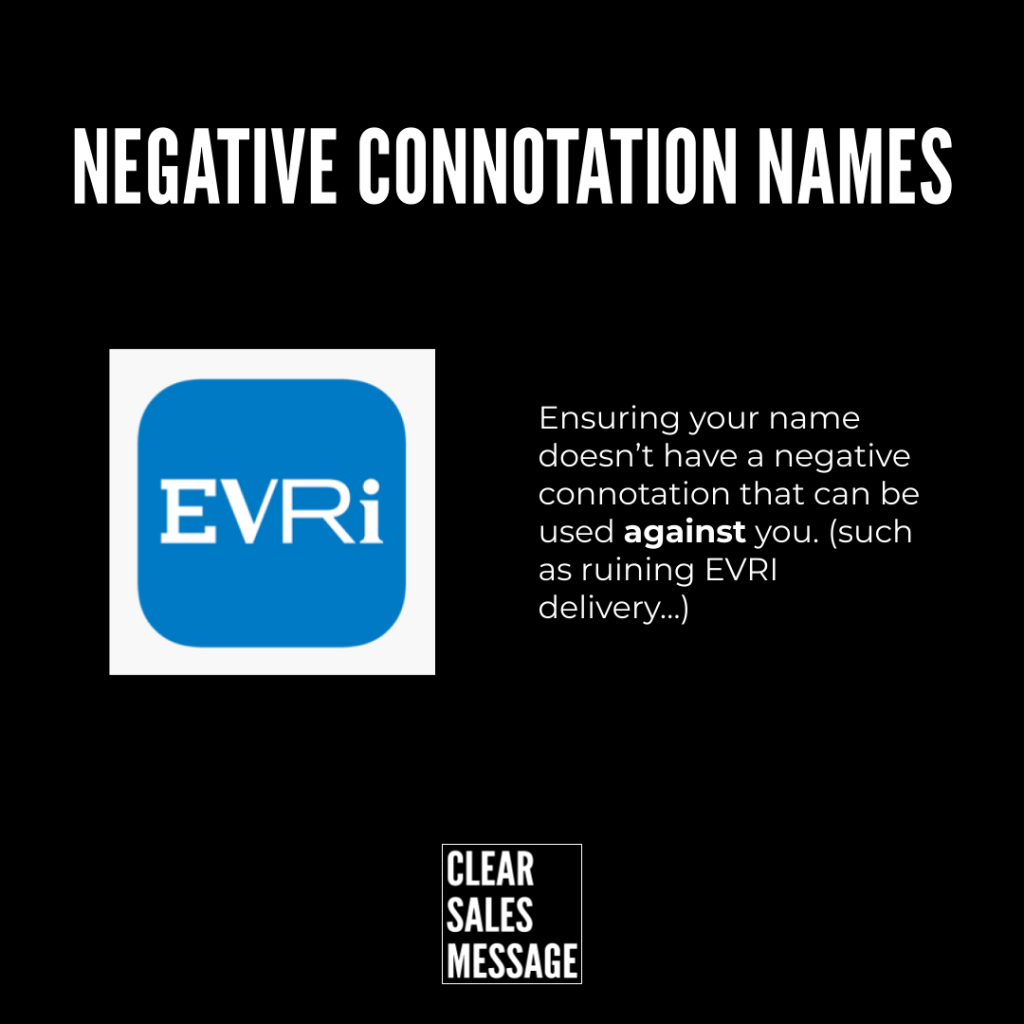
Take the courier EVRI. The name aimed to suggest reach and reliability. Then deliveries started going wrong. Customers flipped the name into a joke instead: messing up every single delivery. The name became the punchline for the exact failure it once promised to prevent.
How Can You Use It
Test Every Abbreviation Before You Commit
Write your full name down. Then write the initials. Say them out loud in a meeting room, not just in your head. Ask someone outside the business to read them cold. If they smirk, you have your answer.
Stress Test Reassuring Words
Words like “every,” “always,” or “guaranteed” sound confident when things go well. But they become weapons the moment something breaks. So before you build a name around a promise, ask a hard question. What happens if you break that promise in public, more than once?
Check Translations Before You Launch Abroad
A name that’s harmless in English can mean something embarrassing in another language. This is a different failure. But it comes from the same root cause. Read my page on bad translations before you expand into a new market.
When It Works Best
This also damages you most in the first few seconds of contact. That’s before someone has any other evidence about your business. Picture a prospect Googling your company. They spot the joke version of your name in a forum thread. Now they’ve formed an opinion, before you’ve said a single word.
It also compounds. Complaints add fuel. Bad reviews add more. Every failed delivery hands the joke fresh ammunition. So the worse your service gets, the harder that name works against you.
When It Becomes Dangerous
It turns dangerous once the joke outlives the mistake that started it. You can fix your service. Rehire the whole delivery team if you need to. But the nickname sticks around online. It outlives the fix by years. New customers meet the joke long before they meet the improvement.
At that point, renaming becomes a real option. But that’s an expensive conversation to have five years in.
Common Mistakes
Testing It Only In Your Own Accent
A name can sound fine in your accent. It can also land badly in another. So if your customers span the country, get outside opinions. Ask people from other regions to say your name and abbreviation out loud.
Only Reading It, Never Hearing It
Founders stare at a name on a screen and judge it visually. But customers say your name out loud to friends, to search bars, to customer service lines. A name can look fine. It can still sound completely wrong.
Assuming The Joke Will Fade
Once a nickname catches on, it rarely disappears on its own. Instead it gets funnier with repetition. Waiting it out usually just gives it more time to spread.
Negative Connotation Names – An Example
Fire Alarm Fabrication Services
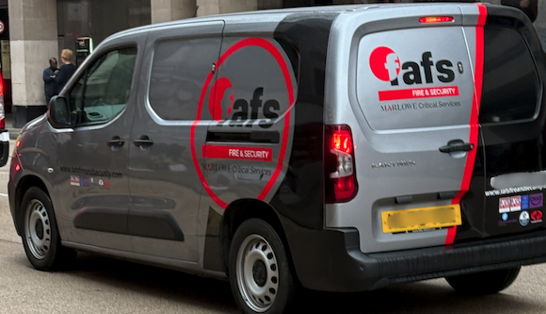
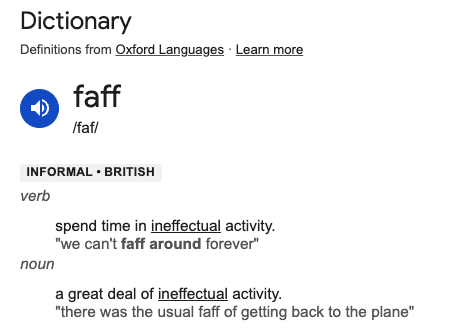
This company shortened its name to FAFS for convenience. But nobody checked what that word means in everyday English first. To “faff” is to waste time, drift, and get nothing done. That’s the exact opposite of what a fire safety supplier wants customers thinking about.
The fix wasn’t even complicated. Somebody just needed to say the initials out loud before they went on the van doors.
See Also