Practical Sales Training™ > How To Keep Your Clients Happy > Not For Sale

Not For Sale
One of the strangest things about buyer psychology is that easy access often reduces value. The easier something is to get, the more ordinary it starts to feel.
But the second something feels restricted, exclusive, or hard to obtain – interest tends to go up. People want what they cannot easily have.
And this does not just apply to luxury goods. It shows up in sales, pricing, memberships, launches, waiting lists, and how businesses position themselves every day.
What Is the Not For Sale Effect?
The Not For Sale Effect is when scarcity or restriction makes something feel more desirable. In simple terms, the harder something feels to get, the more value buyers tend to place on it.
For example, invite only products, waiting lists, limited runs, and private memberships all use this effect. Buyers often become more interested the moment access gets restricted. Because availability changes perception.
How Does the Not For Sale Effect Work?
Scarcity changes how buyers think about value, status, and rarity. When something feels open to everyone, buyers assume it is easy to replace and therefore less special. But the moment access becomes limited, they start asking different questions.
Why is it restricted? Who gets in? What do they know that I do not? Why do other people want this? So scarcity creates curiosity. And buyers often place higher value on things they believe others cannot easily get.
How Can You Use the Not For Sale Effect?
The key is not fake scarcity. Buyers can smell that fast. The strongest version of this effect happens when the restriction feels real, logical, and easy to believe.
Use genuine scarcity
Real limits feel far more believable than made-up urgency. For example, limited delivery slots, application only sign-ups, capped client numbers, or private beta access all work well. The restriction should feel like a natural result of how you work – not a sales tactic. Because buyers can tell the difference.
Be selective about who you work with
Buyers often become more interested the moment they feel the business is choosy too. That shifts the whole dynamic. Instead of feeling sold to, the buyer starts to feel like access itself is worth having. As a result, the desire to get in tends to grow rather than fade.
When the Not For Sale Effect Works Best
It works best when selling premium offers, limited services, memberships, product drops, or high demand events. For example, private groups, exclusive launches, and invite only access all benefit from this effect. The more believable the scarcity, the stronger the pull. So make sure the restriction makes sense in context.
When the Not For Sale Effect Backfires
It fails when businesses fake it badly. Buyers have seen too many countdown timers, fake waiting lists, and “only 1 left” messages that clearly are not true. Once a buyer suspects the scarcity is made up, trust drops fast. And it rarely comes back. So scarcity only works when people believe it.
Common Not For Sale Mistakes
The biggest mistake is using scarcity as a trick rather than a truth. Fake urgency may create short term pressure. But it tends to cause long term distrust.
Creating fake scarcity
Some businesses invent limits purely to push buyers into a faster decision. But buyers are wise to this now. Once the scarcity feels staged, the whole message falls apart. So only use restriction when it is real – and make sure you can back it up.
Making access too difficult
There is a difference between being exclusive and being hard work. If the process to get in is too complex or unclear, genuine buyers will simply give up. So scarcity should make your offer feel more desirable – not create barriers that put the right people off.
The Not For Sale Effect – An Example
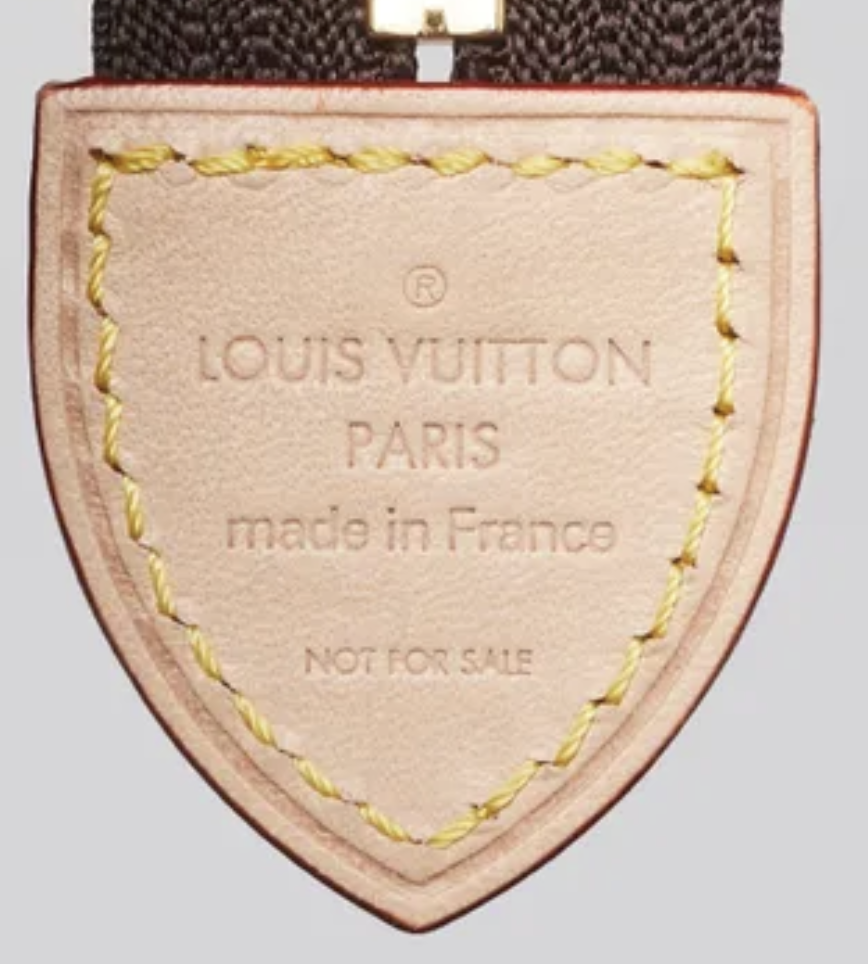
Louis Vuitton makes certain pieces that are only given to clients as gifts. They are not listed, not priced, and not for sale. As a result, those pieces become some of the most talked about and sought after items the brand produces. The fact that you cannot buy them is exactly what makes people want them.