

Practical Sales Training™ > Connect > The Exclusive Effect

The Exclusive Effect
Everyone wants something they can’t easily get. It’s not always about the thing itself. It’s about being one of the few who has it.
The Exclusive Effect uses that feeling directly. Give a buyer access others don’t have, and they feel special before they’ve even used what you sold them.
What Is It
The Exclusive Effect says we behave differently when we have access to something others don’t. That access changes how we feel, and it changes how we act too.
Why Does It Work
It’s the literal opposite of FOMO. Instead of fearing what you’re missing, you feel good because you have something others can’t get.
That good feeling sticks. It makes buyers feel valued, and it makes them want to protect that feeling by staying loyal to you.
How Can You Use It
Reward your loyal clients directly. Give new clients a limited, exclusive benefit too, something that makes them feel like they’ve got an advantage others don’t have.
It doesn’t need to be expensive. It just needs to feel genuinely limited, so the value comes from access, not just the item itself.
When It Works Best
This works best in categories where status and identity matter. Fashion, memberships and premium services are classic territory, since buyers there already care about standing out.
It’s also strong when you have a genuinely limited resource. Real scarcity is far more powerful than a fake one, since buyers can usually tell the difference.
When It Becomes Dangerous
This backfires if the exclusivity feels manufactured. A fake “limited” offer that’s actually available to everyone damages trust fast, since buyers feel tricked once they notice.
It also fails if you restrict access so tightly that nobody actually gets in. Exclusivity works because a few people do get through the door, not because everyone gets turned away.
Common Mistakes
Faking Scarcity
Claiming something is limited when it isn’t gets noticed eventually. Once it does, buyers stop trusting anything you call exclusive again.
Making Access Feel Cold Instead Of Special
Restricted access should feel like a reward, not a wall. If it just feels unwelcoming, you lose the good feeling that makes this effect work in the first place.
The Exclusive Effect – An Example
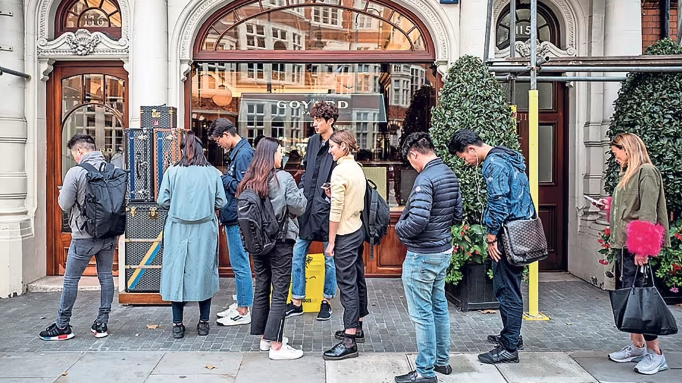
Luxury brand Goyard is known for deliberately restricting access to its stores, including its London location. This isn’t an accident. It’s part of a wider strategy built around exclusivity and demand.
Limiting who gets in makes the people who do feel genuinely special. It also builds a sense of desire in everyone walking past, wondering what they’re missing on the other side of the door.
That combination, reward for the few and curiosity from everyone else, is the Exclusive Effect working exactly as intended.
See Also