

Practical Sales Training™ > How To Lose The Sale > Sneaky Upsell
Sneaky Upsell
Nobody minds paying for an upgrade. They mind not knowing the price.
So the moment you hide a cost, you’re not upselling. You’re gambling with trust.
What Is It
A sneaky upsell means offering something extra without stating the price upfront. So the buyer says yes, then discovers the cost later, usually on the bill.
Still or sparkling water is the classic example. It sounds like a simple question, but it isn’t.
Why Does It Work
It works in the short term because buyers say yes without thinking. So revenue ticks up, at least for a while.
Once people notice, the feeling shifts fast. Since nobody likes discovering a hidden cost, they feel taken advantage of, and a little foolish too.
That feeling doesn’t fade quickly. So the short term gain often costs you a repeat customer.
How Can You Use It
To avoid this, always state the price before the buyer agrees. So give them the full picture, then let them decide.
Transparency costs you nothing real. Since buyers who know the price and still say yes are genuine customers.
When It Works Best
This mistake shows up most in hospitality, cafes and restaurants. So verbal offers replace priced menus, and prices quietly go missing.
It also creeps into checkout flows online. Since add-ons get bundled in without a clear price shown before confirming.
When It Becomes Dangerous
It becomes dangerous the moment a buyer feels tricked rather than upsold. So one bad receipt moment can undo months of goodwill.
It also spreads. Since people talk about feeling taken advantage of far more than fair pricing.
Common Mistakes
Never Mentioning The Price
Some staff offer an upgrade without ever mentioning the price. So the buyer agrees to something they never actually priced up.
Making The Pricier Option The Default
Some make the pricier option the default, hoping nobody asks. So silence becomes the sales tactic, instead of an honest pitch.
Assuming Nobody Checks The Receipt
Some assume buyers won’t check the receipt afterwards. So the trick only works until the one time someone does.
Sneaky Upsell – An Example
The Extra 50p On The Receipt
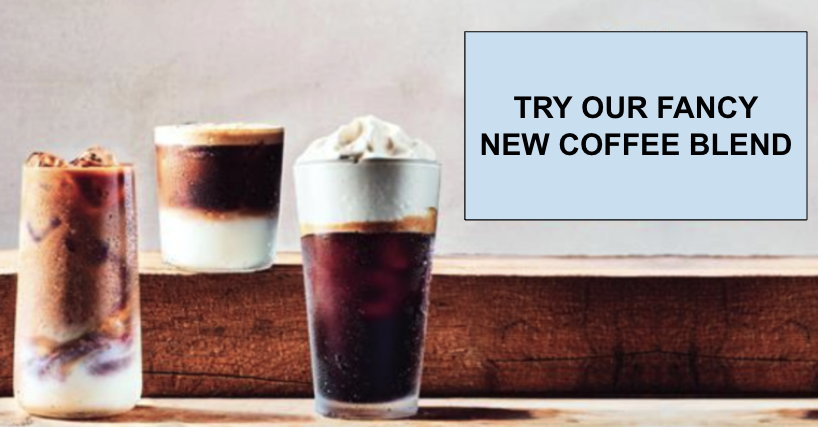
Coffee shops often ask if you’d like to try a specific blend. Only later, on the receipt, does the extra 50p appear.
See also: