

Practical Sales Training™ > How to connect with your buyer > The Slang Effect
The Slang Effect
What Is It
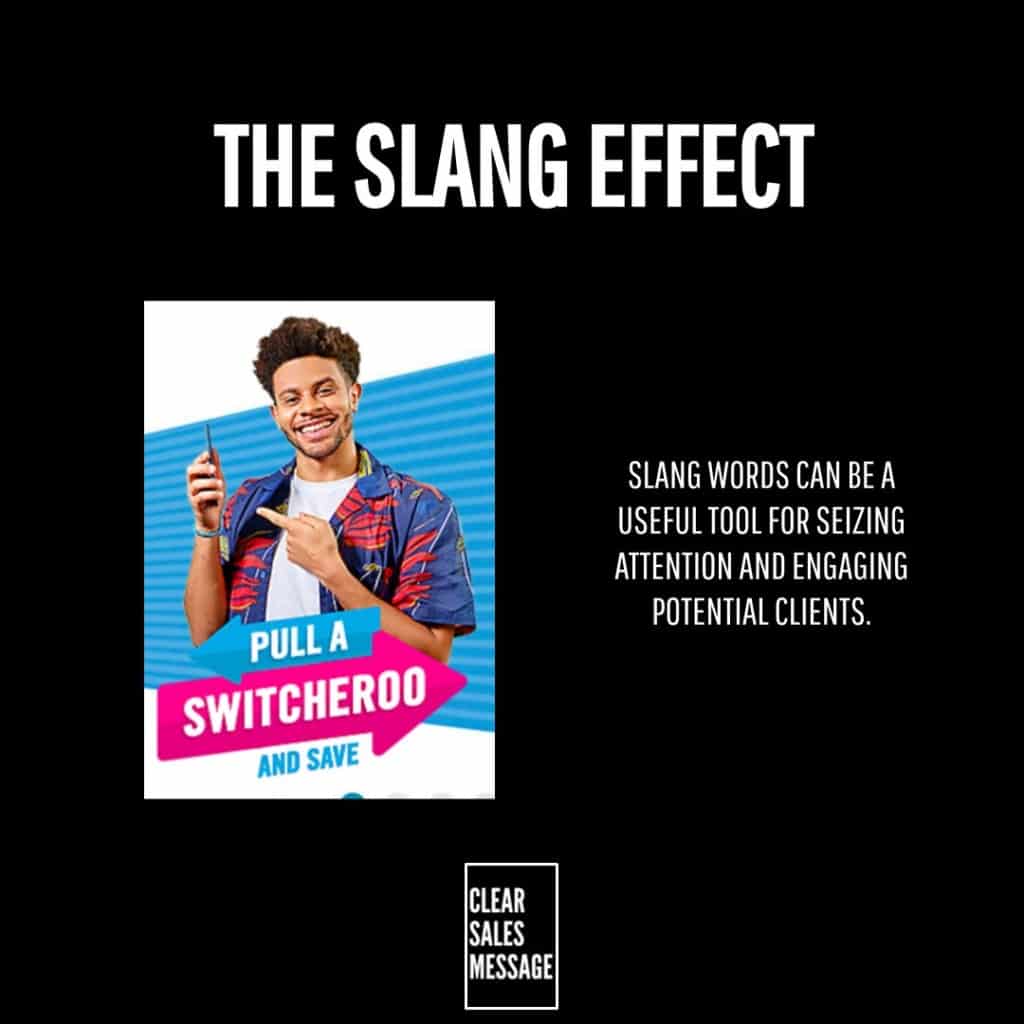
The Slang Effect is all about using the slang words and technical jargon that your audience already uses. Not a translated, corporate version of their language, the real thing.
Most brands write in a version of English nobody actually speaks out loud. This effect closes that gap deliberately.
The words themselves signal something before the meaning even lands, that you’re inside their world, not observing it from outside.
Why Does It Work
It works because it demonstrates empathy, and helps you identify, or deliberately not identify, with the type of people who should buy the offering. It’s literally a case of speaking the language of your potential buyer.
Language does more than communicate information. It signals belonging, and belonging builds trust faster than almost any other single factor.
A buyer who hears their own phrases reflected back assumes you understand them, often before you’ve said anything substantive at all.
How Can You Use It
Learn the real language your audience uses
Depending on your offering and your audience, could you use non-offensive slang, or technical jargon, to communicate with them? Some examples of slang can be found here.
Match the register, not just individual words
One correct slang term dropped into otherwise formal writing feels stranger than none at all. The tone around the words needs to match too.
Test it with someone actually inside that audience
Slang dates and shifts fast. What sounded current a year ago can feel dated now, so check with someone genuinely embedded in that world before you commit to it publicly.
When It Works Best
This works best with a tightly defined audience who share a genuinely distinct vocabulary, a specific age group, subculture, or professional niche.
It also works best when your brand’s whole personality supports it. A casual, energetic brand can carry slang far more naturally than a formal, corporate one.
When It Becomes Dangerous
It backfires if the slang feels dated or forced, since nothing signals “trying too hard” like outdated phrases used by an obvious outsider.
It also becomes risky if it excludes buyers outside that specific subculture. Slang that lands perfectly with one group can alienate everyone else reading the same page.
Overusing it dilutes the message too. A page stuffed with slang can obscure the actual offer underneath all the personality.
Common Mistakes
Using slang that’s already out of date
Outdated slang reads as more corporate than plain English, since it exposes that you’re mimicking a culture rather than genuinely part of it.
Applying it to the wrong audience
Slang that suits an 18 year old audience can feel jarring or even patronising to an older, more formal one. Know exactly who you’re speaking to first.
Overloading every sentence with it
A little slang goes a long way. Packing every line with it starts to feel performative rather than authentic.
The Slang Effect – An Example
A Gym Targeting Young Adults
Business Type: Gym / Personal Trainer
Target Audience: Young adults (18-30), social-media-savvy fitness beginners
How they use it: Instead of saying:
“Build lean muscle and improve cardiovascular health in 12 weeks”
They say:
“Get shredded, ditch the dad bod, and level up in 12 weeks. Let’s gooo 💪”
They also use phrases like:
- “Leg day isn’t optional”
- “Smash your macros”
- “Zero fluff. Just gains.”
- “Built different”
- “No cap – real results”
Why it works: Their audience uses these exact phrases on social media and in the gym, so it feels relatable, real, and less corporate. It creates a sense of tribe and belonging, and positions the brand as one of them, not above or outside their world.
See also