
Practical Sales Training™ > How To Convert > The Without Effect

The Without Effect
What Is It
The Without Effect is about promoting how your offering works without something. That something could be time, extra materials, or even expertise.
So your offering gets seen as better. It works without something the competition still needs.
This is a shortcut to standing out. You don’t add a feature, you remove a burden instead.
Why Does It Work
It works because it’s about convenience first and foremost. But it’s also about feeling like you have an edge over your competition or peers.
Achieving a result without something, especially if that thing is expensive or difficult, is an attractive idea. It can even be a reason for buyers to switch to you.
Removing a burden often feels more valuable than adding a feature. A buyer notices what they no longer have to deal with far more than another benefit stacked on top.
How Can You Use It
Compare how you deliver the result against the competition
Consider how your product or service delivers its end result. Then look at the competition.
Find the thing competitors still need
What do your competitors, or traditional solutions, need that you don’t? These things are often expensive, difficult, longwinded, undesirable, or unpleasant.
Name the absence clearly and directly
Name the missing thing directly. Don’t just imply it, since buyers respond more to a clear, specific absence than a vague claim of ease.
When It Works Best
This works best when the missing thing is something buyers genuinely dread, cost, time, effort, or risk.
It also works best when your competitors can’t easily copy the removal. A genuine structural advantage lasts far longer than a temporary marketing angle.
When It Becomes Dangerous
It backfires if the missing thing turns out to matter more than you assumed. Some buyers may actually want the thing you removed.
It also becomes risky if removing it means a genuine drop in quality or results. The absence has to be a real improvement, not just a cost cutting shortcut in disguise.
Overselling the absence causes its own problem too. If the without claim feels like the only selling point, buyers may wonder what else is missing.
Common Mistakes
Assuming everyone sees the removal as a benefit
Some buyers genuinely want the thing you removed. Check that your audience actually sees it as a burden before you lead with this.
Claiming an absence that doesn’t improve the result
Claiming an absence that doesn’t really improve the result reads as a shortcut. The removal has to genuinely help the buyer, not just cut your own costs.
Leaning on the claim with nothing else to back it up
Overselling the without claim alone leaves buyers wondering what else got left out. Balance it with real substance elsewhere.
The Without Effect – An Example
Twiglets Going Without Frying
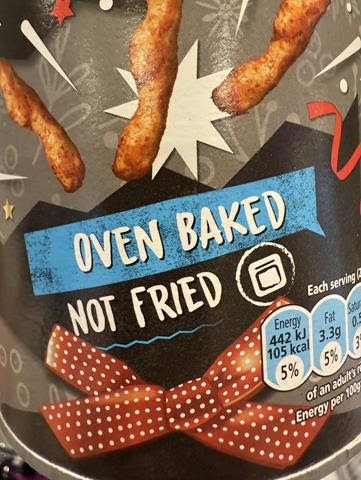
Twiglets promote the fact that they are baked, not fried, as their main selling point. By doing without frying, they are seen as a healthier snack.
The claim is simple and specific. It doesn’t ask buyers to understand a complex process, just one clear thing this snack skips that others don’t.
See also