Practical Sales Training™ > How To Convert > Next Step Problem
Next Step Problem
What Is It
Someone just bought something from you. So now a whole new set of needs just opened up, whether they’ve noticed yet or not.
So that’s the Next Step Problem. Buying a car leads to insurance, fuel, and servicing. Similarly, getting a pet means food, toys, and vet care. Even signing up for software creates a need for onboarding and training. Every purchase triggers a what comes next moment. If you don’t solve it, someone else will.
Why Does It Work
It works because it highlights a hidden opportunity in almost every sale. Most businesses stop at the first transaction. But customers are often left needing support, tools, or related products to make full use of what they just bought.
So the Next Step Problem explains why buyers can feel stuck or overwhelmed right after purchase. Brands that anticipate and solve those next steps earn more loyalty, more referrals, and more revenue as a result.
How Can You Use It
Ask What Comes Next
Ask yourself what this customer will need five minutes after buying. Then offer exactly that, so they never go looking elsewhere for it.
Build The Right Offer
Build the offer around what actually helps next. A setup guide, a done-for-you service, an add-on product, or access to a community can all work. It depends on what the purchase demands.
Let It Build Momentum
Solve the next step and you create momentum, trust, and ongoing value. So your brand becomes the go-to solution beyond the first sale, instead of just another one-time transaction.
When It Works Best
This works best right at the point of purchase, while the customer is still thinking about what they’ve just bought. So the offer feels helpful rather than pushy, since it answers a question they were already about to ask.
When It Becomes Dangerous
It becomes dangerous when the next step feels like an upsell instead of genuine help. So if the offer only benefits you, the customer notices, and trust drops instead of building.
Common Mistakes
Waiting To Be Asked
Waiting for the customer to ask before you help. So by the time they’ve gone looking, a competitor has often already answered the question for them.
Offering Something Generic
Offering something generic instead of the specific next step this purchase actually creates. A car buyer needs insurance advice, not a random loyalty discount.
Turning Every Step Into A Pitch
Treating every next step as a sales opportunity first. Some of them are simply support, so solve those for free and save the selling for where it genuinely fits.
Next Step Problem – An Example
A New Car, And Everything After It
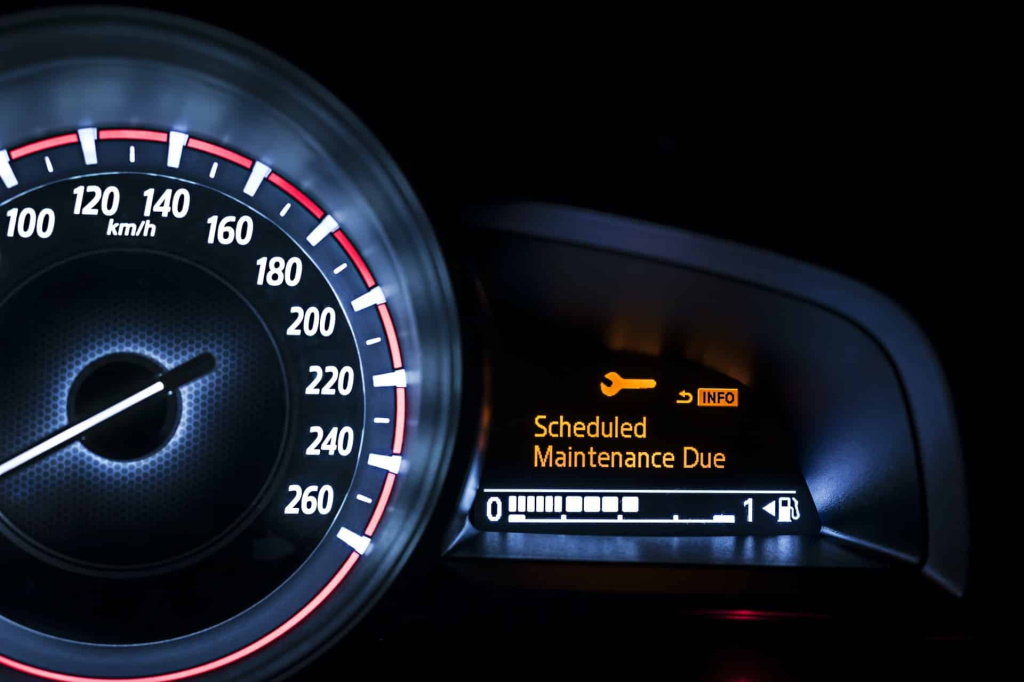
A car purchase makes the pattern obvious. The moment someone drives off the forecourt, they need insurance and fuel. Servicing, parking permits, a car wash, and often breakdown cover follow soon after. None of that occurred to them until the car was already theirs.
The same pattern repeats everywhere. A new pet creates a need for food, toys, bedding, grooming, and vet visits. Similarly, a gym membership creates a need for workout gear, a trainer, or a nutrition plan. A new house creates a need for furniture, utilities, and maintenance too. Even a new smartphone creates a need for a case, a charger, and a data plan.
In every case, the sale itself was never really the end point. Instead, it was just the moment the next set of needs quietly began.
See also
- The Next Appointment Effect
- The Think Ahead Effect
- 180+ ways to improve conversion
- 40+ ways to increase buyer spend