

Practical Sales Training™ > How To Keep Your Clients Happy > The Think Ahead Effect
The Think Ahead Effect
What Is It
The Think Ahead Effect is all about anticipating the needs of your buyers, and making suggestions or providing information that will genuinely be of value. Not reactive service, proactive care.
Most businesses respond to a question once it’s asked. This effect answers it before the buyer even thinks to raise it.
That timing shift changes how the whole interaction feels, from transactional to genuinely thoughtful.
Why Does It Work
It works because it makes your buyer feel like you actually care about them, and are actually paying attention, not just in it for the money.
By thinking ahead, anticipating needs, and making suggestions or sharing advice, you help your buyer move closer to their desired outcome. You might also be educating them on what comes next and what to expect.
That care rarely goes unnoticed. A buyer who feels genuinely looked after tends to stay longer, and tell others about the experience too.
How Can You Use It
Depending on your offering, there are a couple of ways you can implement this. The main goal is to help your buyer move closer to their end result faster, whether that means buying more from you or not.
Share what similar buyers did
Advise what other people did or bought when they were in a similar position. Real precedent reassures a buyer far more than a generic suggestion.
Remind them of what else they might need
Ask, remind, or advise the buyer about the other things they might need. A gap they hadn’t noticed yet is often exactly where the most goodwill gets built.
Give them resources for the road ahead
Provide resources that are useful to the buyer on their journey. Even a small, well timed resource can do more than a large, generic one.
When It Works Best
This works best in relationships that unfold over time, onboarding, ongoing service, or any journey with clear next steps a buyer might not see coming.
It also works best when the suggestion is genuinely relevant to that specific buyer, rather than a generic tip sent to everyone regardless of their situation.
When It Becomes Dangerous
It backfires if the anticipation feels intrusive rather than helpful. A suggestion that oversteps can read as presumptuous, not thoughtful.
It also becomes risky if every proactive suggestion secretly leads to another sale. Buyers notice quickly when “helpful advice” always ends in an upsell.
Getting the timing wrong causes its own problem too. A suggestion offered too early feels premature, and one offered too late feels like it missed the moment.
Common Mistakes
Making every suggestion a sales pitch
If every piece of proactive advice conveniently leads to another purchase, buyers stop trusting the advice entirely.
Sending the same generic tip to everyone
A suggestion that ignores the buyer’s actual situation feels like a template, not genuine attention. Tailor it where you genuinely can.
Waiting too long to offer it
A helpful suggestion that arrives after the buyer already struggled loses most of its value. The whole point is arriving before the need is felt.
The Think Ahead Effect – An Example
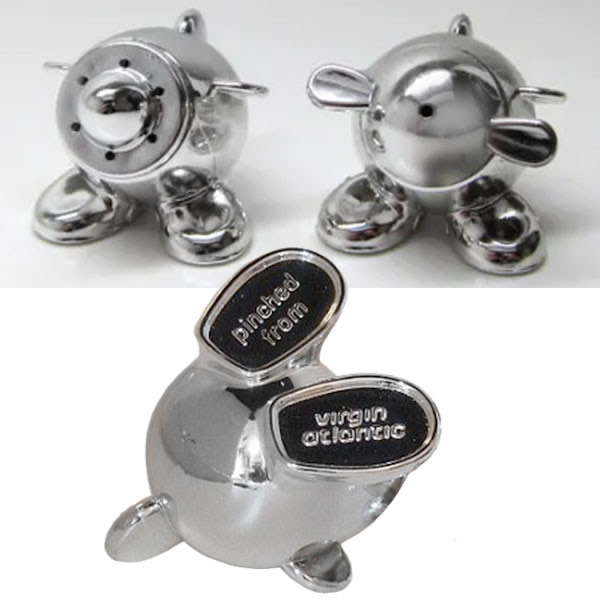
Virgin Atlantic’s Salt And Pepper Shakers
Not quite thinking ahead in terms of meeting buyer needs, but this is an example of something that’s been thought through, where they’ve predicted your behaviour.
Virgin Atlantic Upper Class, their First Class equivalent, famously have cute little salt and pepper shakers which, on the bottom, say “pinched from Virgin Atlantic,” as a nod to say “we know you’re going to steal them.”
See also