
Practical Sales Training™ > How To Lose The Sale > The Hard To Leave Effect

The Hard To Leave Effect
What Is It
When you make it hard for customers to cancel, by never openly confirming how, it does two things at once. It annoys them, and it cements the exact decision you were hoping to prevent.
A buyer who already wants to leave doesn’t need more reasons. Friction at the exit door just proves they were right to go.
What feels like a retention tactic almost always works the opposite way. It pushes people out harder, and it burns the relationship on the way out.
Why Does It Work
The fact is simple. If someone wants to cancel, you should let them. That’s simply how a fair relationship works.
Hiding how to cancel, or demanding written notice weeks in advance, doesn’t improve your odds of keeping that buyer. It just confirms their decision to leave, and proves it was the right one all along.
Buyers want to feel, and actually be, in control. Hiding cancellation details and being evasive won’t just cost you the buyer. It earns you a genuinely bad reputation too.
How Can You Use It
Make Cancellation Genuinely Hard To Find
If you want to make things difficult for buyers, and make leaving painful, here’s exactly how to do it. Leave the information off your website entirely.
Request a large amount of written notice, well beyond what’s reasonable. Remove any cancellation option from your automated phone system, so buyers hunt through menus for nothing.
Force An Uncomfortable Conversation
Insist that buyers speak to a person to cancel, then walk them through an excruciating conversation about why they’re leaving. Nothing says “we respect your choice” quite like this.
When It Works Best
This damage lands hardest in industries with real switching costs, like contracts, subscriptions, and memberships. Buyers already feel a little trapped, so extra friction feels deliberate rather than accidental.
It’s also especially costly for businesses relying on referrals. A frustrated leaver rarely stays quiet, and their story travels further than any satisfied customer’s ever will.
When It Becomes Dangerous
This pattern becomes genuinely dangerous once regulators or watchdogs start noticing an entire industry doing it. What one company treats as clever retention can trigger rules for everyone.
It’s also risky reputationally in the age of public reviews. One viral story about a nightmare cancellation can undo years of careful brand building overnight.
Common Mistakes
Calling It Easy When It Isn’t
Advertising an “easy cancellation” process that actually involves hold music, transfers, and repeated explanations damages trust badly. Being upfront about the friction in the first place would hurt far less.
Burying The Cancel Option In Settings
Tucking cancellation three menus deep, behind vague labels, frustrates buyers without technically breaking any rule. It still costs you the same reputational damage.
Ignoring The Regulatory Risk
Assuming nobody’s watching invites real scrutiny. That kind of attention often ends with new rules for the whole industry, not just your business.
The Hard To Leave Effect – An Example
The Regulator Steps In
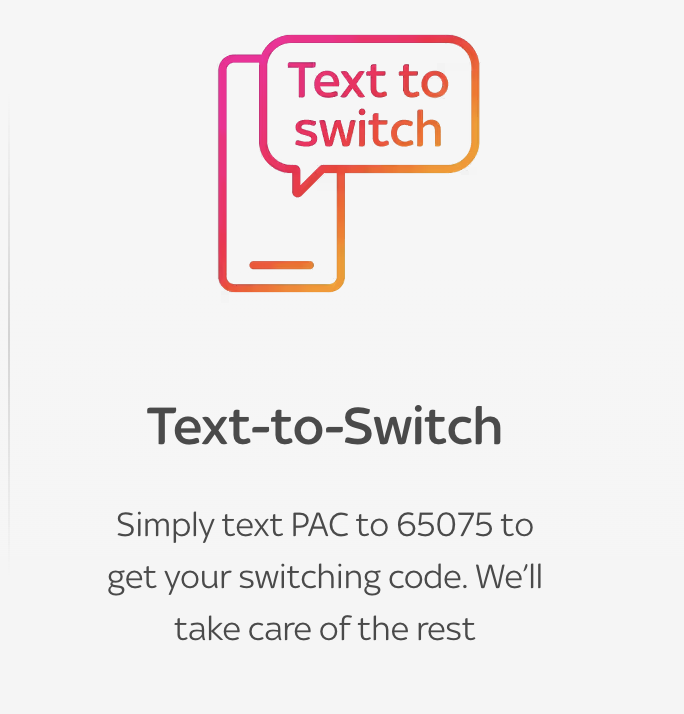
It became so notoriously hard to leave certain phone contracts in the UK. Eventually, the regulator stepped in. They created an easy transition process to put power back into the hands of the consumer.
That’s what happens when an entire industry treats friction as a strategy. Somebody else eventually removes the friction for you, on terms you no longer control.
See also