
Practical Sales Training™ > How To Lose The Sale > Rapid Followup

Rapid Followup
What Is It?
Rapid Followup means chasing a buyer too fast and too hard right after first contact. Call after call. Then email after email, all within hours, sometimes sooner.
Why Does It Work?
It works because people need space to think. Buyers process a decision at their own pace, not yours. When you crowd that space, they pull back.
Constant contact also signals desperation instead of confidence. And desperation is the fastest way to lose a buyer’s trust. Any kind of pressure adds friction, including the pattern I call The Pushy Effect.
This matters because most buyers already feel pressure from the decision itself. Add more pressure from you, and they link that stress to your offer, not just the choice ahead of them.
How Can You Use It?
Give Buyers Room To Think
Space out your followups. So let a day or two pass before you reach out again. That gap gives your buyer room to actually consider what you offered, instead of just reacting to your last message.
Replace, Don’t Chase
If they still go quiet, don’t chase. Replace them with a fresh lead instead. Chasing a cold buyer wastes time you could spend on a warmer one too.
Add Value With Each Touch
Every followup should also bring something new. A helpful answer, or a relevant example. Never just checking in with nothing to say.
When It Works Best
This mistake shows up most when a deal feels urgent. Under pressure, sellers panic and default to more contact instead of better contact.
It’s also common in businesses that pay hard for every lead. So losing one feels expensive.
When It Becomes Dangerous
Rapid Followup also becomes most dangerous with a buyer’s very first impression of you. Overwhelm them early, and you rarely get a second chance to fix it.
It’s also risky on high value deals, since a rushed buyer feels forced rather than convinced. And forced decisions fall apart fast.
Common Mistakes
Confusing Volume With Effort
Sending more messages feels productive, but it isn’t the same as sending the right one. Quantity still rarely fixes a weak followup.
Following Up With Nothing New
Repeating the same message word for word annoys buyers fast. Each touch still needs a genuine reason to exist.
Ignoring Silence
Silence still usually means not yet, not convince me harder. In fact, reading it as urgency to chase is exactly where this mistake starts.
Rapid Followup – An Example
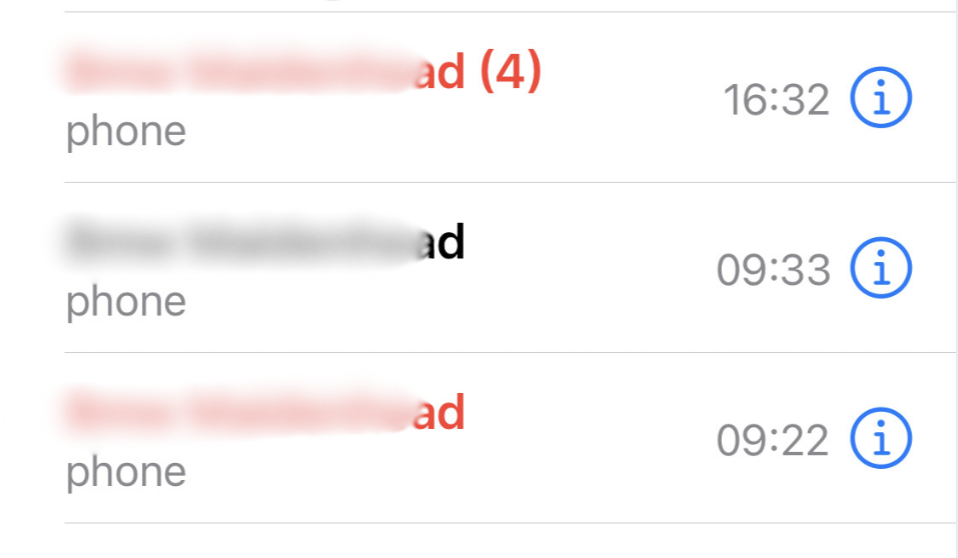
Six Calls In One Day
A business once even called me six times in a single day trying to reach me. Six times, in one day.
That’s not followup. It’s a warning sign. I didn’t call them back, and I never will.
See Also