

Practical Sales Training™ > How To Convert > The Feedback Effect
The Feedback Effect
You lose deals every week and never find out why. The person just goes quiet. Feedback fixes that gap, but only if you ask for it properly.
What Is It
The feedback effect is simple. You ask your clients and your lost buyers what they think, then you use it. That means asking current customers how you could serve them better. It also means asking people who walked away why they left. Their answers tell you exactly where you’re losing ground.
Why Does It Work
It works because the people closest to a decision know the most about it. Your buyers understand their own problems better than you ever will. So when you ask them directly, you get answers you can actually use. This beats guessing every time. In fact, most guesswork about buyer needs turns out wrong.
How Can You Use It
There are two ways to put this into practice.
Ask Your Current Clients
Speak to the people already buying from you. Ask what would make your product or service even better. Listen closely, since their answer often points straight at your next improvement.
Ask The People Who Said No
Speak to buyers who walked away. Ask why they didn’t go ahead, and what they were actually looking for. You might offer a small incentive here, like a free gift or a competition. That’s because people respond better when there’s something in it for them.
When It Works Best
This works best right after a sale, or right after someone says no. The experience is still fresh, so their answer stays sharp and specific. Wait too long and people forget the details that actually matter.
When It Becomes Dangerous
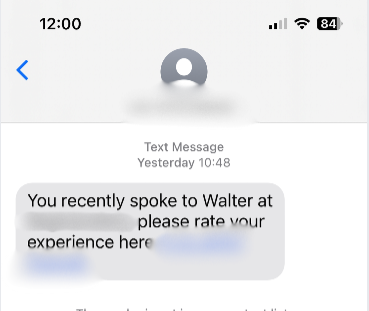
Feedback becomes a problem when you ask for it too often. One company texts me after every single call. That starts to feel like nagging, not genuine care. It also becomes dangerous when you collect feedback and do nothing with it. That tells buyers their opinion doesn’t matter. And next time, they won’t bother giving it.
Common Mistakes
Asking Too Often
Asking for feedback after every interaction gets tiring fast. Space it out, so it still feels genuine when you do ask.
Collecting Feedback and Ignoring It
There’s no point asking a question you won’t act on. If you gather feedback and shelve it, people notice. Worse, they stop giving it altogether.
The Feedback Effect – An Example
Two Ways I’ve Seen This Done Well
One company texts me every time I speak to them, asking for feedback. That might be too much, but it definitely gets my attention. It also shows they take feedback seriously.
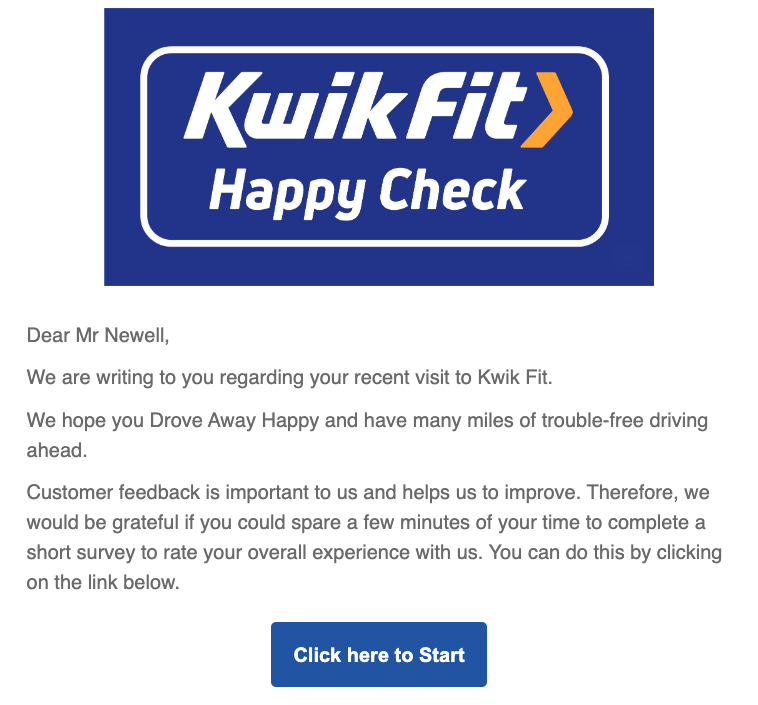
KwikFit, a UK tyre company, even named their survey to make it feel more real and less like a chore.
See also