

Practical Sales Training™ > How To Connect With Your Buyer > The Team Effect
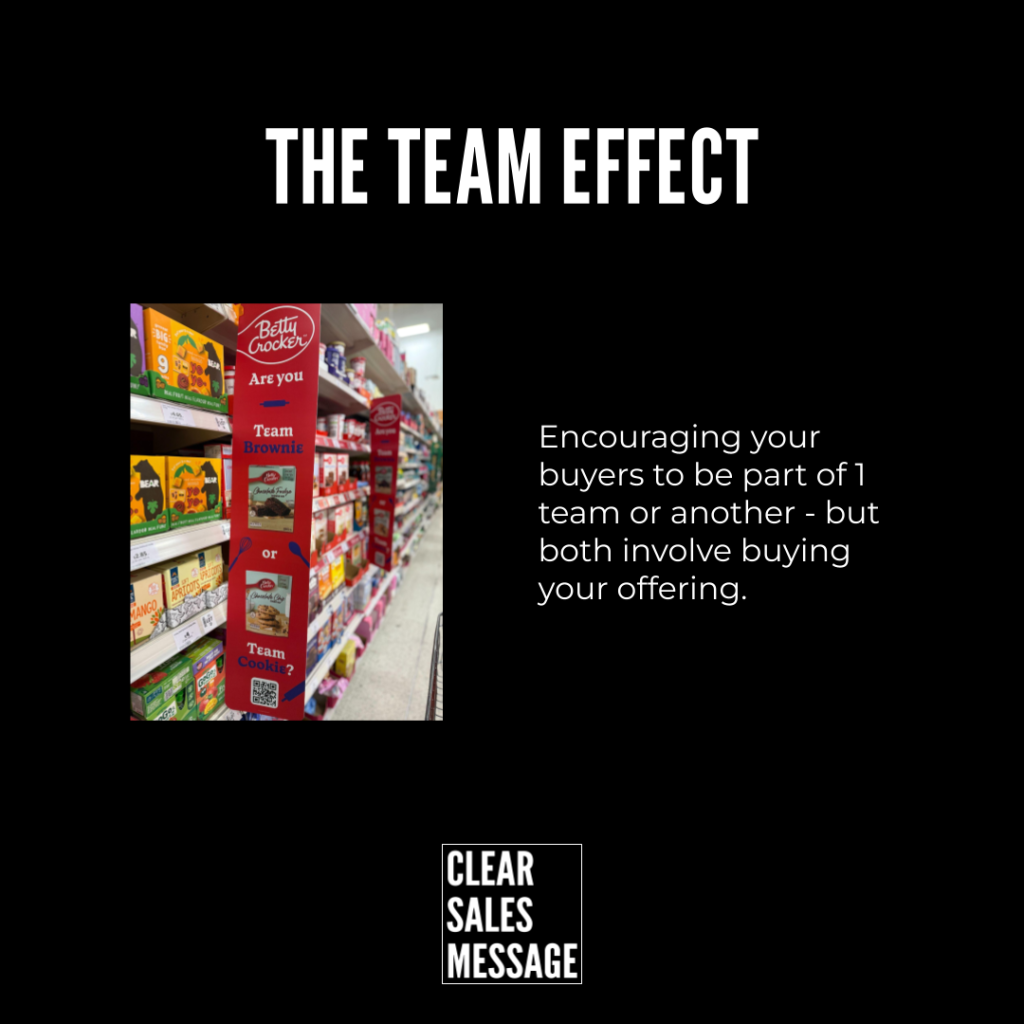
The Team Effect: Let Buyers Pick A Side
Ask someone if they prefer the beach or the mountains, and watch how quickly they answer. It’s instant and confident. So most people will happily tell a stranger which one they are.
That instinct to pick a side is something you can build straight into your offering.
What Is It
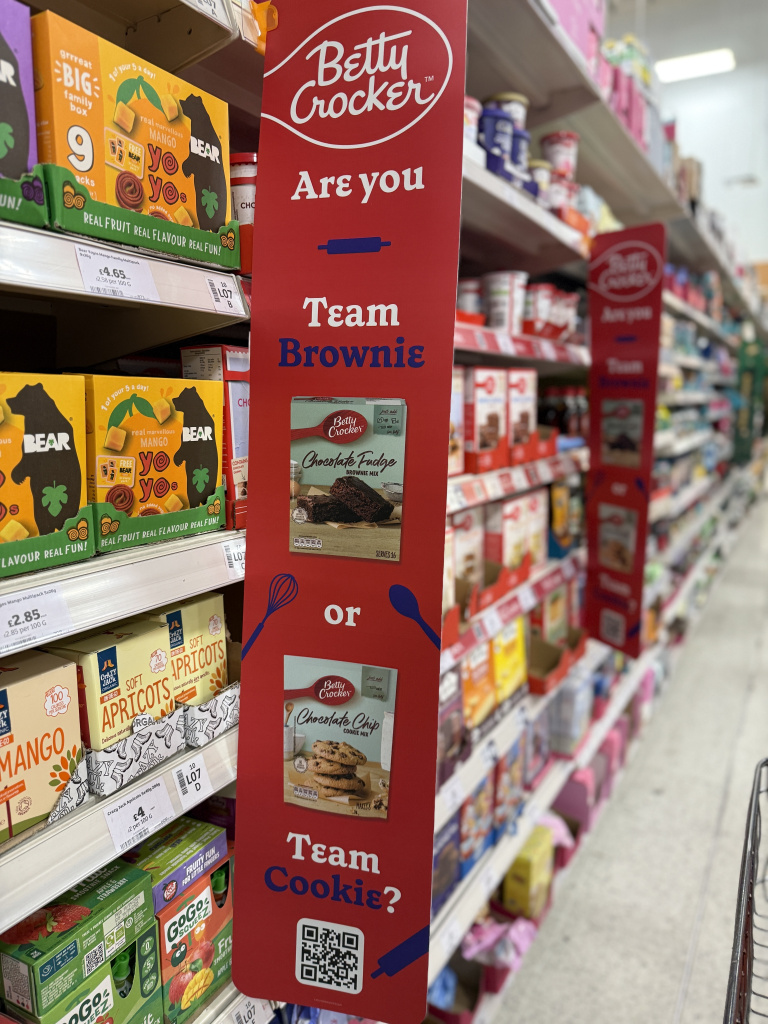
This is about getting your buyers to take a side on their preferences. Each side stands for something real inside what you sell. Not a survey question. A team.
Once someone picks their team, they’re no longer just a customer. They’re a member of a group, and groups are something people defend.
Why Does It Work
People like identifying with others who are like themselves. Once a buyer picks a side, they’ve found their tribe inside your customer base. Depending on what the split is, they may even feel proud to share it.
A preference is private, but a team is public. That shift is what makes people want to talk about it.
How Can You Use It
Pick Two Things To Split Buyers On
Highlight two options already inside your offering. Colours, flavours, styles, sizes, and speeds all work well, since they’re differences a buyer already has an opinion about.
Ask Which Team They’re On
Once the split exists, ask the question directly. Frame it as a team, not a preference. So a team invites loyalty in a way a simple choice never does.
Give Them A Way To Share It
A team means nothing kept private. Let buyers share their side on social media. Or set up a simple poll so people can watch which team is winning.
When It Works Best
This works best when the two sides really divide opinion, so nobody feels forced to shrug and pick at random. So snack preferences, flavour wars, and colour choices all naturally split a crowd.
It also works best in public settings, since the whole effect depends on people seeing which team everyone else picked.
When It Becomes Dangerous
It becomes dangerous if the split feels manufactured rather than real. Buyers can tell when a brand invents a team purely for marketing. A fake divide gets ignored instead of shared.
It also risks alienating buyers who truly like both sides equally. Force a choice on someone who doesn’t want one, and you’ve turned a fun moment into an annoyance.
Common Mistakes
Choosing A Split Nobody Actually Cares About
Not every difference makes a good team. If buyers truly don’t have a preference, forcing a side just feels like busywork instead of identity.
Never Giving Buyers A Way To Show Their Side
Asking someone to pick a team and then giving them nowhere to display it wastes the whole effect. The sharing is the point, not an afterthought.
Picking Favourites Between The Teams
The moment you visibly favour one side, the other team feels like an afterthought. Both sides need to feel equally celebrated, or the effect collapses into resentment.
The Team Effect – An Example
Sweet vs Salty
In this example, buyers take sides over their snack preference. Team Sweet against Team Salty turns a simple taste into a small, harmless rivalry.
Nobody needs convincing to have an opinion here. Most people already know exactly which team they’re on. So all the brand has to do is give them a flag to wave.
See Also
- The Common Enemy Effect
- 150+ ways to connect with your buyer
- 100+ ways to get your buyer to take action