Practical Sales Training™ > How to connect with your buyer > Size Expectation
Size Expectation
What Is It
If you’ve ever ordered something online and it arrived bigger or smaller than you expected, you already understand this concept. Size expectation is about minimising that surprise before it happens.
It means being upfront about scale, whether that’s a physical product or the reach of a service. You tell the buyer exactly what they’re getting, in real terms, before money changes hands.
Nobody enjoys an unexpected surprise after clicking buy. A little clarity up front removes that risk completely, for you and for them.
Why Does It Work
It works because the physical size of something can genuinely disappoint or surprise a buyer. The same goes for the scope of a service. That reaction happens whether you address it or not.
Since they’ll find out the real size eventually anyway, it makes sense to tell them at the earliest possible moment. Doing so avoids unnecessary complaints, returns, and awkward conversations later.
Setting the expectation early also builds trust. It shows you’d rather a buyer know exactly what they’re getting than simply hope they won’t notice the gap.
How Can You Use It
For Physical Products
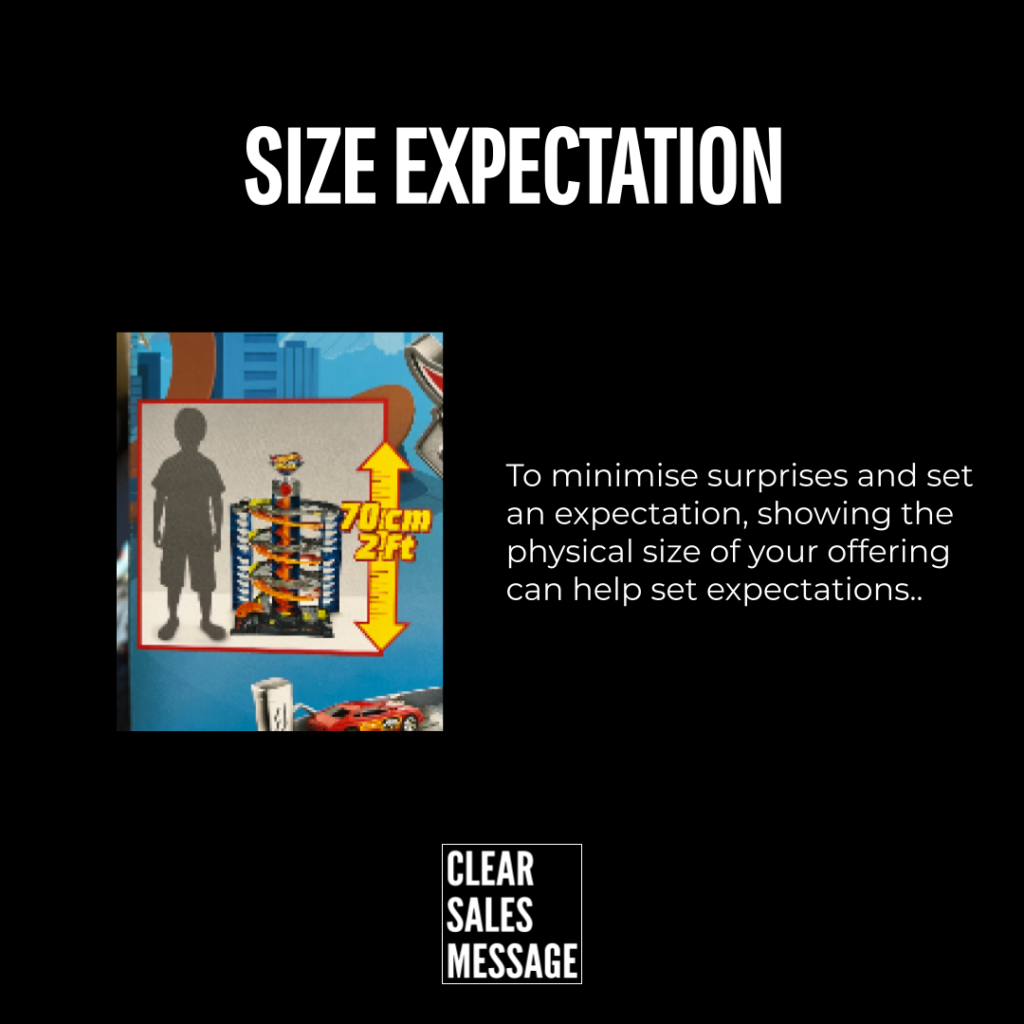
Communicate size in actual measurements, not vague description. Pair this with imagery that shows equivalence to everyday objects. The scale then becomes instantly obvious, rather than something buyers have to calculate themselves.
For Services
Be specific about how much access a client actually gets, and when they can expect availability. This tells them clearly how substantial your service really is, before they buy and risk feeling buyer’s remorse afterward.
When It Works Best
It works best for anything ordered without being seen or touched first, which covers most online shopping. Photos alone rarely convey true scale, so buyers are guessing unless you tell them.
It also matters heavily for services sold on promise rather than proof, like coaching, consulting, or subscriptions. Vague scope leaves buyers imagining something bigger than what they’ll actually receive.
When It Becomes Dangerous
Ignoring size expectation becomes risky the moment reality and imagination drift too far apart. A buyer who pictured something substantial, then receives something modest, feels genuinely misled, even without any lie being told.
It’s also risky for returns and reviews. Size mismatch is one of the most common reasons buyers send products back. It’s also one of the easiest complaints to prevent entirely.
Common Mistakes
Using Vague Size Language
Words like “compact” or “generous” mean something different to every reader. Give actual measurements, or a clear comparison, instead of leaving buyers to guess.
Only Showing Flattering Angles
Product photography that hides true scale on purpose might boost short term conversions. It also guarantees more returns and unhappy reviews further down the line.
Leaving Service Scope Undefined
Saying a service includes “ongoing support,” without defining what that means, sets up a mismatch. That gap surfaces the first time a client asks for something specific.
Size Expectation – An Example
Amazon’s Scale Photos
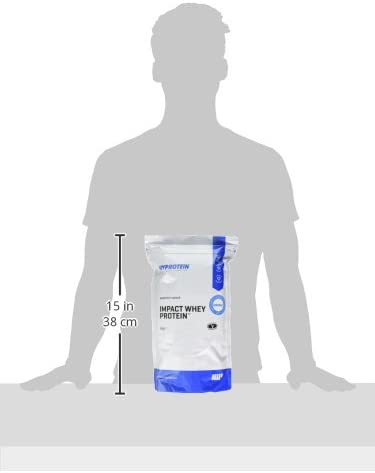
Amazon has started adding a scale photo showing a person holding the product on offer. Buyers can immediately sense its real size this way. No measurements needed, no guesswork involved.
A single extra image removes an entire category of doubt from the buying decision. It costs almost nothing to produce, yet it quietly prevents a meaningful share of future returns.
See also