
Practical Sales Training™ > How To Convert > Solution Evolution

Solution Evolution
What Is It?
Most people resist anything brand new. New feels risky, since nobody has proven it works yet.
Solution Evolution gets around that instinct. Instead of pitching something new, you present your offer as the next stage of something buyers already trust. A version 2.0. An upgrade. A natural evolution, rather than a fresh invention.
Why Does It Work?
This works because your buyer already trusts the version that came before. So some of that trust carries over automatically. As a result, your new offer inherits credibility it hasn’t earned yet on its own.
Evolution implies progress, not risk. It also tells your buyer you fixed the old problems. You added features too. And you improved the weak spots.
That reframe changes how your buyer processes the pitch. They’re not evaluating something unproven from scratch. Instead, they’re simply checking if the improved version is worth the upgrade.
This matters because most buying decisions get stuck on one question. Is this safe to trust? Evolution answers that question before your buyer even asks it.
How Can You Use It?
Name The Version Before This One
Give your current offer a clear predecessor. Refer to what came before, even loosely. Version one doesn’t need to be literal. It just needs to exist in your buyer’s mind. That way, the new version has something to evolve from.
Call It An Upgrade, Not A Launch
Avoid words like new, groundbreaking, or revolutionary, since these words trigger scepticism. Words like upgraded, improved, or next generation trigger comparison instead. And comparison is a much easier decision for your buyer to make.
Show What Changed, Specifically
Don’t just claim evolution. Prove it instead. List the exact problems the earlier version had. Then show precisely how this version solves them. Vague improvement claims sound like marketing, but specific fixes sound like engineering.
When It Works Best
This works best when your buyer has some experience with the category. That’s true even if they’ve never used your product directly. If they’ve used a similar tool before, they instantly get what evolved. And they also get why it matters.
It also works well in industries that move fast. Buyers in those markets expect regular upgrades. So they often distrust anything that looks static for too long.
When It Becomes Dangerous
Solution Evolution backfires when there’s nothing to evolve. Claiming a version 2.0 launch when nothing meaningfully changed is risky. Buyers still catch that fast. Once they catch it, they stop trusting everything else you say too.
It also becomes risky in categories where new genuinely matters more than improved. In those markets, buyers often reward innovation over refinement.
Common Mistakes
Evolution Without Evidence
Saying something evolved without showing evidence is a mistake. Buyers still need proof, not adjectives. If you can’t point to a specific fix, buyers see through it fast.
Skipping The Backstory
Jumping straight to version 2.0 without ever establishing version one is another common slip. Buyers can’t appreciate an upgrade if they never understood the starting point.
Overselling The Change
Treating a small tweak as a major evolution is a mistake too. This erodes trust faster than simply admitting you launched something brand new.
Solution Evolution – An Example
The Internet, Explained As Versions
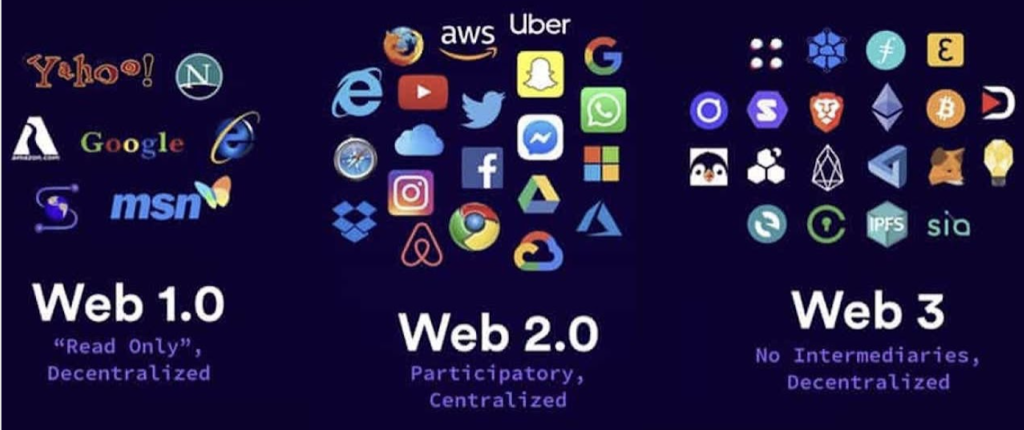
The internet didn’t launch as one finished product. Instead, it evolved. Early websites were static pages you could only read. Then came interactivity, so users could comment, share and shape content themselves. Now the web is moving toward something that understands you too.
Each stage builds on the one before it. That’s exactly how Solution Evolution works in a pitch. You’re not asking buyers to trust something unproven. Instead, you’re asking them to trust the next logical step.
See Also