
Practical Sales Training™ > How To Get Attention > The Sex Effect

The Sex Effect
What Is It
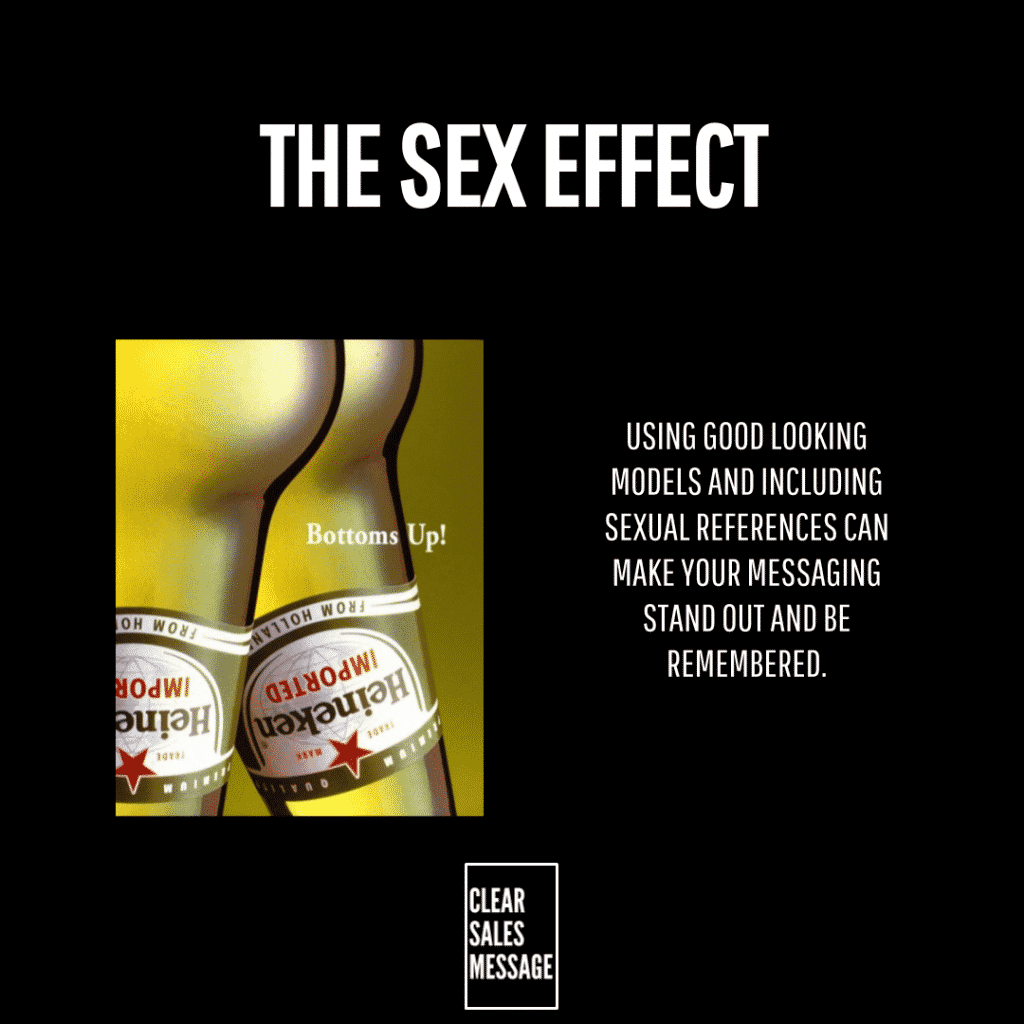
The Sex Effect is one of the most commonly used methods of seizing attention in marketing and messaging. At a basic human level, we’re constantly assessing our environment. Can I eat it? Would it hurt me? Could I have sex with it?
Those three questions sit underneath a huge amount of human attention. We rarely notice them consciously. Marketing that taps into any of them tends to get noticed fast.
This effect focuses on the third one. It looks at how attraction pulls the eye before logic even gets involved.
Why Does It Work
It works because sex is a universal draw for attention and interest. Man, woman, gay or straight, we all have a biological interest in sex. Sexual imagery or terminology triggers it almost automatically.
The desire to have sex, or to make ourselves a more desirable partner, drives many everyday decisions. Often we don’t even notice it happening.
Marketing that touches this driver gets processed faster than most other messaging. The brain is already primed to pay attention to it.
How Can You Use It
Consider whether it genuinely fits your brand first
Using sexual references and imagery isn’t suitable for everyone. Consider your industry, your audience, and your brand’s tone before leaning on this at all.
Find the subtle version, not just the explicit one
You can harness this effect in subtler ways than you might think. How does your offering make your client a more attractive person? Could you show your offering alongside attractive people and places? It doesn’t always have to be explicit to work.
Connect the attraction to a real benefit
Attraction with no link to what you’re selling reads as gimmicky. Tie it back to a genuine benefit instead, confidence, appearance, connection, wherever the link is honest.
When It Works Best
This works best in categories where appearance, confidence, or connection genuinely relate to the product. Fashion, fitness, grooming, and hospitality all qualify.
It also works best in subtle forms. A suggestion tends to land more effectively, and more safely, than an explicit statement ever could.
When It Becomes Dangerous
It backfires if it feels gratuitous, or unconnected to the actual product. Attraction used purely as a gimmick reads as cheap rather than clever.
It also becomes risky if it alienates part of your audience, or clashes with your existing brand tone. What lands as playful in one context can read as tone deaf in another.
Overusing it dulls the effect too. It can shift attention entirely away from the product, toward the imagery instead.
Common Mistakes
Using it without any real connection to the product
Attraction imagery with zero link to what you sell just distracts. Buyers remember the imagery and forget the actual offering entirely.
Misjudging your audience’s expectations
What feels playful to one audience can feel inappropriate to another. Know your specific buyer before leaning on this approach at all.
Going explicit when subtle would work better
A heavy handed approach often achieves less than a light one. Subtlety tends to draw people in. Explicitness can push them away instead.
The Sex Effect – An Example
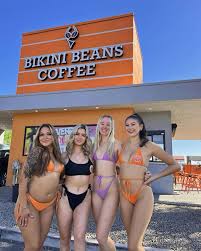
Bikini Beans Coffee
Bikini Beans Coffee use bikini clad baristas to attract attention. It helps them avoid being just another coffee shop.
The coffee itself doesn’t need to be different for the concept to work. The attention grabbing element sits entirely in the presentation, turning a routine purchase into a memorable stop.
See also