Practical Sales Training™ > How To Connect With Your Buyer > The Wishlist Effect

The Wishlist Effect
What Is It?
Some buyers need time before they buy. So the Wishlist Effect gives them somewhere to save what they want, without paying for it yet. It’s a bookmark for later. This also keeps your buyer close, instead of losing them to a closed tab.
Why Does It Work?
Timing matters more than most sellers admit. Your buyer might need to check their budget first. Or ask a partner, or simply wait for payday. So when now isn’t right, a wishlist keeps their choice safe. They don’t have to hunt for the item again later. Because it’s already saved, waiting exactly where they left it.
How Can You Use It?
Make Saving Effortless
Add a clear save or wishlist button next to every product. Make it visible without being pushy. Because if a buyer has to search for it, most won’t bother.
Follow Up Without Nagging
Send a gentle reminder once the item has sat in their wishlist for a few days. Keep it useful, not naggy. A short nudge often turns a maybe into a yes.
Use The Data
Track what buyers save. It shows you exactly what they want but haven’t bought yet. That’s some of the most valuable buyer data you’ll ever collect.
When It Works Best
This works best for considered purchases, things buyers don’t grab on impulse. It also helps when your price point needs a bit of thought first. So clothes, furniture and big ticket items all fit naturally here.
When It Becomes Dangerous
This becomes a problem when wishlists turn into where things go to die. If buyers save and never return, you’ve just delayed the loss. So always follow up. Otherwise, a wishlist without a nudge just forgets your buyer politely.
Common Mistakes
Hiding The Save Button
Don’t bury the save button behind extra clicks. Since every bit of friction costs you buyers, keep it one tap away, always.
Changing Saved Items Without Warning
Never let saved items vanish without warning. If stock runs low or a price changes, tell your buyer straight away. Otherwise they’ll feel tricked when they finally come back to buy.
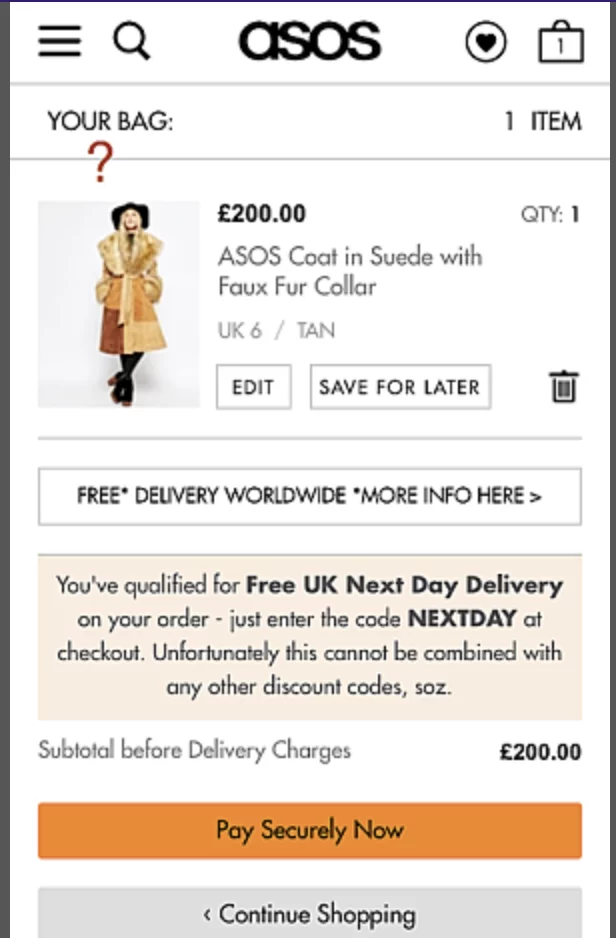
The Wishlist Effect – An Example
Save For Later At Checkout
Big retailers use this constantly at checkout and on product pages. A simple save option lets a shopper step away without losing their choice. So when they’re ready, it’s all still there. Buying takes seconds.
See also