

Practical Sales Training™ > How to connect with your buyer > QR Codes
QR Codes
A buyer sees something interesting. They want to find out more. But typing a URL is fiddly and Googling it might not find the right page. So they do nothing. The moment passes. The opportunity is lost.
A QR code removes that barrier entirely. One scan and the buyer is exactly where you want them to be. No typing, no searching, no effort. Because the action is instant, the moment does not pass. The buyer stays engaged while their interest is still live.
That combination of convenience and context is what makes QR codes a genuinely useful tool. They do not just make things easier. They make action possible at moments when it otherwise would not happen at all.
What Are QR Codes?
QR codes, or Quick Response codes, are scannable patterns that link to a digital destination when read by a smartphone camera. They can point to a website, a product page, a video, a form, a social profile, or almost anything else online. The buyer scans with their phone and arrives at the destination immediately.
Because they can be printed on virtually anything, QR codes bridge the gap between physical touchpoints and digital experiences. A code on a product, a poster, a business card, or a piece of packaging becomes a live link to more information, a purchase option, or a next step in the buyer journey.
Unlike a web address, a QR code cannot be memorised or written down and used later. It is a point-in-time tool. That immediacy is both its strength and the reason it needs to be placed thoughtfully. The context it sits in shapes how relevant it feels and whether buyers bother to scan it.
Why Do QR Codes Work?
They Follow the Path of Least Resistance
They work because they follow the path of least resistance. Scanning a code takes one second. Finding the same page manually might take thirty, and many buyers will not bother. Because the effort required is so low, the conversion from physical interest to digital action is far higher than it would be with any other method.
They Work With Context
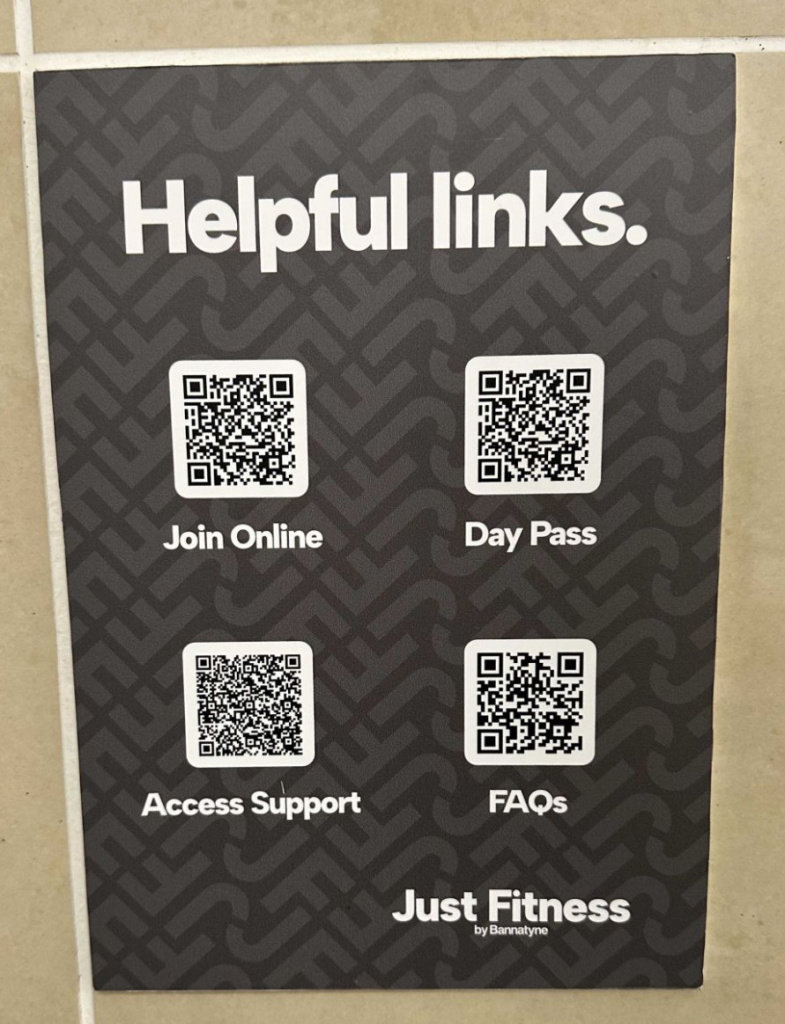
A QR code placed at the right location, at the right moment, feels immediately relevant. A code in a gym changing room feels relevant to a member who wants information right now, while they are in the space. Because the environment and the offer are aligned, the scan feels natural rather than forced.
They Unlock Richer Experiences
QR codes allow businesses to deliver more than physical materials can hold. A label, a flyer, or a sign can only say so much. A QR code behind that material can link to a video, a full product guide, a booking form, or a personalised offer. Because the physical triggers the digital, the two together deliver more value than either could alone.
They Are Measurable
Every scan is trackable. So unlike a printed phone number or a web address on a flyer, a QR code tells you exactly how many people engaged with that touchpoint and when. That data helps you understand which physical locations and materials are working hardest for you.
How Can You Use QR Codes In Sales?
Think about where you already interact with buyers in the physical world. Every one of those touchpoints is a potential home for a QR code. Here are the most common and effective applications.
Business Cards
A QR code on a business card takes the receiver directly to your website, your LinkedIn profile, or a specific landing page. Because the card is already in their hand, the scan happens in the moment of connection when interest is at its peak. It also removes the frustration of typed URLs and the risk of the card being lost before they act on it.
Packaging and Products
A QR code on packaging can link to a recipe, a usage guide, a warranty registration, a reorder page, or a loyalty scheme. Because the buyer is holding the product when they scan, the relevance is immediate. It also extends the value of the packaging beyond the moment of purchase, turning it into an ongoing connection point.
Trade Show Stands and Events
At events, buyers often want to capture information quickly without carrying paper away. A QR code on your stand lets them save your details, access your brochure, or sign up to your list in seconds. Because it removes the need to exchange physical materials, it also reduces the chance of your information ending up in a bin at the end of the day.
Signage and Advertising
A QR code on a poster, a banner, or an outdoor ad turns passive awareness into active engagement. Because the buyer is already looking at your message, the scan is a natural next step. This works especially well when the destination is something genuinely useful, a special offer, a booking page, or a piece of content that rewards the scan.
Inside Physical Spaces
Placing QR codes inside a physical location, on walls, on menus, on fitting room mirrors, or at service points, lets you deliver relevant digital content at exactly the moment and place it is most needed. Because the buyer is already in the environment, the code feels contextual and helpful rather than intrusive.
When QR Codes Work Best
QR codes work best when the destination they link to genuinely adds value to the buyer at that specific moment. A code that leads to a homepage tells the buyer nothing they could not have found themselves. But a code that leads to a relevant, specific, and useful page rewards the scan and builds trust. Because the quality of the destination shapes the impression the code leaves, always make the landing experience worth the effort of scanning.
They also work well when the buyer is already in an engaged state. Waiting rooms, changing rooms, trade show stands, and the moment of unboxing a product are all situations where buyers have a moment of attention and are open to what comes next. A QR code placed in those moments catches buyers when they are most receptive.
When QR Codes Become Dangerous
The main risk is a poor destination. A buyer who scans a code and arrives at a slow, broken, or irrelevant page will not scan again. Because the scan creates an expectation, failing to meet it is worse than not having the code at all. So test every code regularly and make sure the mobile experience at the other end is fast, clear, and directly relevant to why the buyer scanned.
There is also a trust risk. Buyers are increasingly aware of QR code scams. A code on unofficial-looking material, or in an unexpected location, may not get scanned at all. So make sure your codes appear on materials that look professional and are clearly associated with your brand. Context builds trust.
Common QR Code Mistakes
Linking to a Homepage Instead of a Specific Page
A QR code that lands on a general homepage makes the buyer do the work of finding what they wanted. That friction defeats the purpose. Every code should link to a page that is directly relevant to the context the code was placed in. Because the scan creates a moment of intent, meet that intent immediately with exactly the right content.
Not Testing the Mobile Experience
QR codes are scanned on phones. So the destination needs to work perfectly on mobile. A page that loads slowly, displays badly, or requires the buyer to pinch and zoom will lose them instantly. Because the buyer made the effort to scan, the experience they arrive at needs to reward that effort. Always test codes on multiple devices before placing them anywhere.
Placing Codes in the Wrong Location
A QR code on a billboard at seventy miles per hour, or in a location where buyers have no reason to pause, will be ignored. Placement has to match buyer behaviour. Think about where people naturally stop, wait, or hold something in their hands. Those are the moments where a scan is most likely to happen.
Not Explaining What the Code Does
A QR code with no label asks the buyer to trust the unknown. Most will not bother. A short line of text next to the code, telling the buyer what they will get when they scan, increases engagement significantly. Because the buyer wants to know it is worth scanning before they do, always include a clear call to action alongside every code.
QR Codes – Examples
A gym places a sign in its changing rooms with QR codes linking to helpful resources. Because members are already on site and engaged with the brand, the scan is natural and the destination is immediately relevant. The code turns a moment of downtime into a useful interaction.
A birdseed company takes the creative side further by styling the code itself into the shape of a bird. The code is fully functional but also visually distinctive. Because the design reflects the product and the brand, the code earns attention before anyone scans it. It becomes part of the packaging’s identity rather than an afterthought.
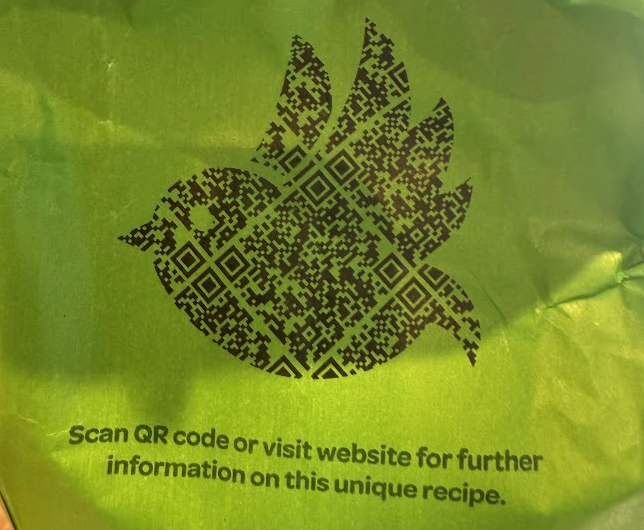
Both examples show the same principle at work. A QR code is most powerful when it feels relevant to the context it sits in and when the destination genuinely rewards the scan.
Simplifying touch points
Making it easy for people to interact with you and buy from you is a crucial factor but so easy to miss. Here are 9 ways you can make it easier for people to contact you:
- Catchall email – Never miss an email by ensuring that [email protected] gets delivered.
- Memorable phone number – If you want people to call you, make it easy for them to remember your number.
- Simple Email Address – Make it easy for people to email you by having “obvious” email addresses.
- Freephone / Freepost – If you want people to call or write to you, then making it free ensures there are no barriers.
- Simplified URL – Using a domain that’s easy to read, write, speak, spell and remember makes life easier for your buyer.
- Start here domain – Make it easy for new buyers and clients to know how to interact with you.
- Misspelt domain – If there is a common misspelling of your name then it makes sense to own the .com domain.
- DM Word – Make it easy for people to direct message (DM) you by giving them a keyword to use.
- QR Codes – Make it easy for people in the real world to find you online.