


Practical Sales Training™ > How to Connect With Your Buyer > Named Problem Effect
Named Problem Effect
What Is It?
Defining a problem is one thing. Naming it is another entirely.
When you name the problem you solve, your buyer senses real experience behind it. So a name signals you’ve seen this exact issue before.
Why Does It Work?
It works because a name carries implied value. Something with a name feels more real than something merely described.
A name suggests familiarity, experience and understanding all at once. Description alone still can’t do that, no matter how detailed it gets.
Coin a term for your buyer’s exact problem, and they feel understood. So they also feel recognised, which goes even further than understanding alone.
Naming something also makes it far easier to reference later. Instead of explaining the long version, you just say “the XYZ Problem.”
That shorthand does real work in a sales conversation. So it turns a messy explanation into a single, repeatable phrase.
How Can You Use It?
Pick A Simple Word: Problem, Challenge Or Issue
Pick a simple word first, like problem, challenge or issue. Avoid dramatic words like crisis, since overreaching breaks trust fast.
Try For Alliteration
Try for alliteration where it fits naturally. So the Productivity Problem or the Payment Challenge both read better than a plain description ever could.
Name The Feeling, Not Just The Problem
Name the feeling, not just the problem. Buyers often feel frustration, confusion or overwhelm too. So naming that feeling works just as well.
When It Works Best
This works best for problems with several tangled causes. So a single name gives your buyer one clean concept to hold onto.
It also works well in marketing, where a named problem becomes instantly shareable. A catchy name spreads further than a careful description ever will.
When It Becomes Dangerous
The Named Problem Effect becomes dangerous the moment the name oversells the problem. Call a minor inconvenience a crisis, and trust drops fast.
It’s also risky when the name feels manufactured rather than earned. A forced or clunky name draws attention to itself instead of the problem underneath.
Common Mistakes
Overdramatising With Words Like Crisis
Overdramatising with words like crisis is the most common mistake. Reach for problem or challenge first. Save bigger language instead, for situations that truly need it.
Forcing Alliteration That Doesn’t Fit
Forcing alliteration that doesn’t fit naturally is another trap. So a name that sounds try hard reads as marketing, not insight.
Naming Something Nobody Else Recognises
Naming something nobody else recognises is the last one to avoid. If your buyer has never heard the term, it needs to explain itself instantly.
Named Problem Effect – An Example
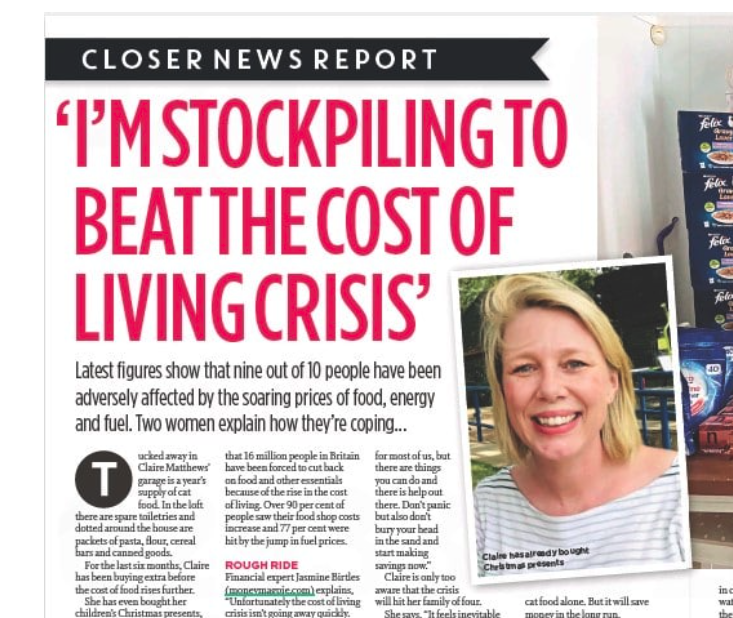
The “Cost Of Living Crisis”
Recent years brought real financial pressure to the UK. So the term “Cost of Living Crisis” became shorthand for it all.
One phrase did the work of a paragraph. So everyone instantly understood what it meant, without needing it explained.
See Also
- The Named Process Effect
- The Rename Effect
- 150+ ways to connect with your buyer
- 100+ ways to be more memorable


