

Practical Sales Training™ > How To Connect With Your Buyer > The Association Effect
The Association Effect
When something new arrives, buyers look for a shortcut. A reason to trust it quickly. The Association Effect gives them one. It borrows trust from something they already know.
No need to build trust from scratch. You transfer it from somewhere it already exists.
The Association Effect means linking something new to something already known and trusted. Credibility transfers from the familiar thing to the new one.
What Is The Association Effect?
We buy familiar things because they carry an expected level of quality. If JK Rowling published a new novel tomorrow, most of her readers would buy it without hesitation. Not because they have read this particular book. Because they have read others and know what to expect. The new book inherits the credibility of everything that came before.
We do not want to discover by experience that something is poor. Before we commit, we want to infer it is likely to be good. When something links itself to a known quality, it gives us the shortcut we are looking for.
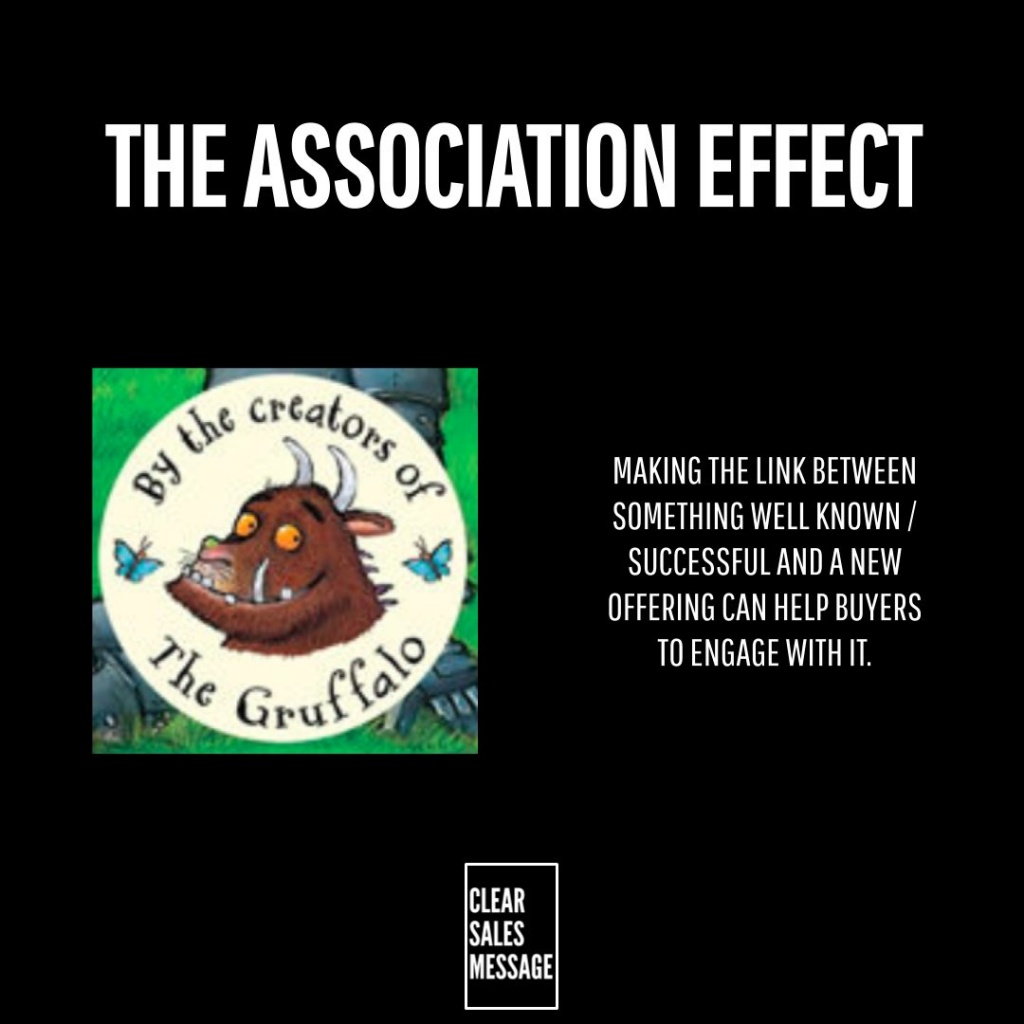
Julia Donaldson’s publishers know this well. On every new book she releases, they reference The Gruffalo. Readers who loved The Gruffalo see the link to the new title before they open a single page. The association does the selling first.
Why Does The Association Effect Work?
Buyers carry risk aversion into every new purchase decision. When something unfamiliar appears, the default is caution. The Association Effect short-circuits that caution by attaching the new thing to something the buyer already trusts. Because the trusted thing carries no risk in the buyer’s mind, some of that safety transfers.
There is also a memorability advantage. When a buyer encounters something new alongside a name or brand they already know, the new thing becomes easier to remember and easier to talk about. The anchor gives it a mental hook. Because buyers recommend things they can describe, the association makes referrals more likely.
It also reduces the time a buyer needs to reach a decision. Without an association, they have to build a view of the new offer from scratch. With one, they can lean on the view they already have. So the path from first encounter to purchase gets shorter.
How Can You Use The Association Effect?
Think about what you already have that carries credibility. A successful product, a well-known brand, a client your buyer will recognise, an outcome worth naming. Each of these can act as an anchor for something newer and less established.
Make the Link Explicit
From the makers of X comes Y; from the team that delivered Z, we are now offering this. Buyers are not always going to make the connection themselves. Draw it clearly and make it the first thing they encounter when they look at the new offer. The Association Effect only works when buyers can see the connection.
Use the Right Language
From the people who brought you is the classic film industry phrase. It works because it links the new thing to an experience the audience already had. A similar structure works in almost any sector: from the team behind, from the creator of, in the same vein as. All of these invite the buyer to carry their prior experience into the new situation. For example: from the people that brought you Clear Sales Message, Selling Confidence™ is designed to change the way you sell forever.
Use Logos, Names, and Shared History
The association does not have to be verbal. Displaying the logo of a well-known client, naming a sector you are known in, or referencing a landmark piece of work all trigger the same effect. Because the visual or factual link is immediate, the trust transfer happens even before the buyer reads the detail.
When The Association Effect Works Best
The Association Effect works best when the association is genuine. When the link between two things is real and the quality it implies is accurate, the effect lands strongly. A reader who buys the new book based on that link, and loves it, becomes an even stronger advocate. Because the quality lived up to the association, the trust deepens.
It also works well when the buyer is unfamiliar with the new offer but familiar with the anchor. The less a buyer knows about something new, the more they rely on signals from familiar things. A strong association bridges that gap quickly.
It is also particularly useful when launching into a new market or introducing a new product under an existing brand. Because the buyer may not know the new thing, attaching it to what they do know reduces the friction of that first decision.
When The Association Effect Becomes Dangerous
The main risk is a weak or irrelevant association. If the anchor is not well known or not relevant to the buyer, the association does nothing. Worse, it can feel like name-dropping that misses the point. The anchor needs to be something the buyer actually cares about.
There is also a risk of the new thing failing to live up to the association. When a buyer chooses something new based on a past reputation, they expect a similar level of quality. If it disappoints, the association damage flows both ways. The new thing fails, and the original anchor also takes a hit.
Common Association Effect Mistakes
Assuming Buyers Will Make the Connection Themselves
Most sellers assume buyers will spot the link without being told. They will not. You have to name it. Because the link only works when it is visible, spell it out in your headline, copy, or packaging. Do not leave the most powerful thing in your message to chance.
Using an Anchor the Buyer Does Not Know
A second mistake is using an association that does not speak to the buyer’s world. Linking to something the buyer has never heard of is worse than linking to nothing. So match the anchor to the audience. The association should resonate with the specific people you are trying to reach.
Over-relying on the Association Without Building Its Own Identity
A third mistake is letting the association do all the work permanently. The Association Effect is a launch mechanism, not a long-term substitute for building your own credibility. Use it to get buyers to take the first step, but make sure the new thing develops its own reputation over time.
The Association Effect – An Example
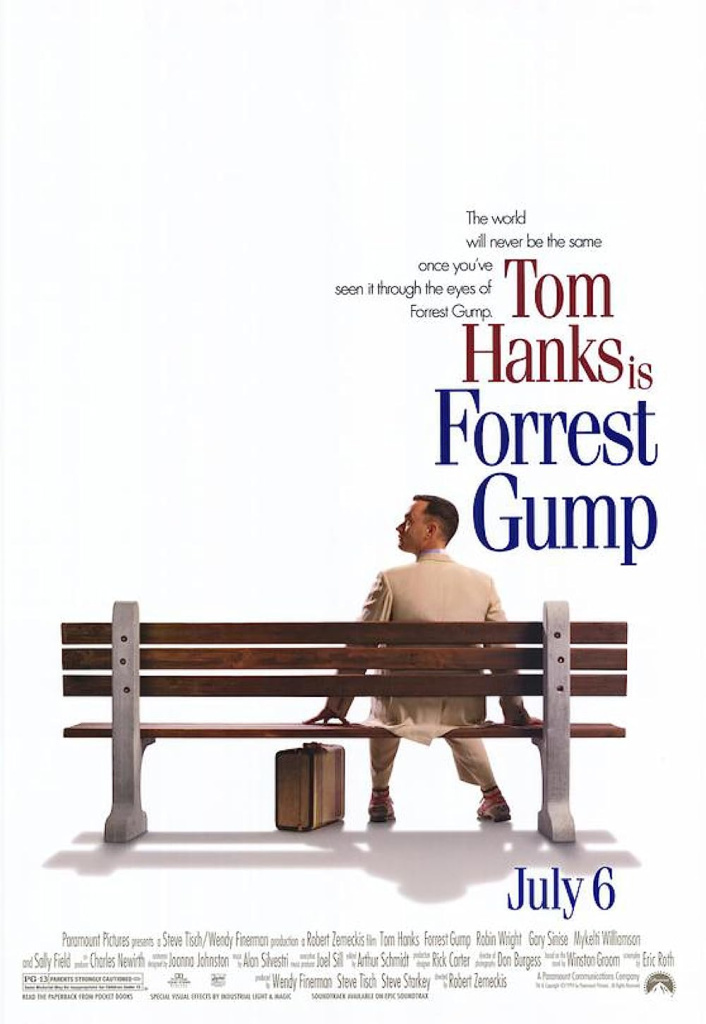
Movie marketing does this constantly. A new film with an unknown director appears with one line: from the writer of Forrest Gump. Buyers who loved Forrest Gump pause. The unknown film borrows credibility from a known classic in one line. No need to explain the plot. The association handles the trust.
That is the Association Effect. One connection. Borrowed trust. A much shorter path from unknown to chosen.
See Also