

Practical Sales Training™ > How To Convert > Sandboxing
Sandboxing
Nobody likes making mistakes in public. So take that fear away completely.
A sandbox lets your buyer test the real thing without any real risk. So they press buttons they’d normally avoid.
What Is It
Sandboxing means giving buyers a safe copy of your product to test. Usually software, though not always. Their actions inside it carry no real consequences.
So they can click anything. Break anything. Nothing outside the sandbox gets touched.
Why Does It Work
It works because it removes the fear of getting it wrong. Buyers hold back when mistakes feel costly.
Take that cost away, and they explore properly. So they learn what your product actually does, instead of just reading about it.
That hands-on experience builds trust faster than any pitch. Since they found the value themselves, they believe it more.
How Can You Use It
Wall It Off Completely
You need a test environment fully separated from the real world. So nothing a buyer does inside it can touch live data or real money.
Once that’s built, buyers can run free. They click, explore and experiment without asking permission first.
Give Them Real Stakes Without Real Risk
Give the sandbox real stakes even though nothing is actually at risk. Fake money still feels like money while you’re spending it.
So a buyer trading with pretend funds still feels the pull of a good decision or a bad one. That feeling sells the real product.
Let Them Break It On Purpose
Encourage buyers to push the limits once they’re inside. Since nothing can break for real, invite them to try the extreme cases too.
That’s where confidence builds fastest. Buyers who test the edges trust the middle ground without needing to be told.
When It Works Best
This works best with complex products, hard to explain in words. So let the buyer feel it instead of hearing about it.
It also suits situations with real perceived risk, like money, health or legal decisions. Since the fear is the barrier, removing it removes the objection too.
When It Becomes Dangerous
It becomes dangerous when the sandbox behaves differently from the real product. So if buyers learn one version and get another, trust breaks fast.
It also fails if buyers can’t tell fake from real. Since confusion feels like deception, even by accident.
And it drags if the setup takes too long. So buyers lose momentum before they even start exploring.
Common Mistakes
Making The Sandbox Look Nothing Like The Real Thing
Some sandboxes look nothing like the finished product. So keep the experience close to reality, or the trust you build won’t transfer.
Hiding That It’s Not Real
Some hide the fact that money or data isn’t real. Since that crosses from safe testing into misleading your buyer.
Giving No Direction At All
Some drop buyers into an empty environment with no direction. So give them a starting point, even in a space built for exploration.
Sandboxing – An Example
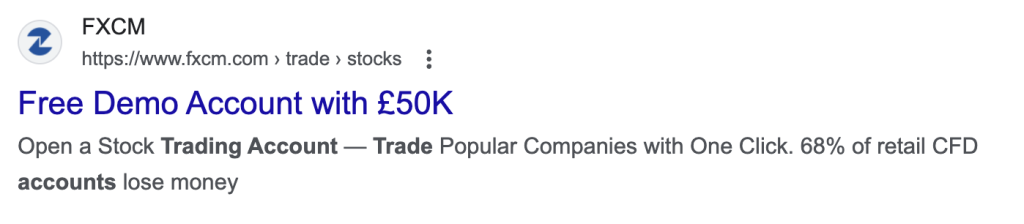
Free Trading Accounts
“Free Trading Accounts” are a well known example of this. You get a set amount of pretend money to invest with.
So you get to feel the highs and lows of trading without touching a single real pound.
See also: