Practical Sales Training™ > How To Convert > The All In One Effect

The All In One Effect
What Is It
If your offering does more than one thing, or combines multiple elements together, say so clearly. It’s worth pointing that out to your buyer. Even if it feels obvious to you, it rarely is to them.
You live with your product every day. A buyer sees it once, and misses details you’d never think to explain.
Why Does It Work
It works because, much like The Abundance Effect, it makes buyers feel they’re getting more for their money.
When you itemise the deliverable and talk through everything included, it helps buyers justify the purchase in their own mind. The value becomes visible, rather than assumed.
How Can You Use It
Map Out Everything Included
Consider what your product or service actually includes. Also check whether it achieves the end result without something buyers might expect to need separately.
Create an exhaustive list of everything you do, deliver, or include. Don’t assume the obvious parts are already understood.
Show It, Don’t Just Say It
Talk about, or illustrate what’s included, so the buyer sees exactly what they’re getting. A visual often lands faster than a list of words ever could.
When It Works Best
It works best when your offering genuinely replaces several separate products or services buyers would otherwise need. The more real that consolidation is, the stronger the effect.
It’s also useful when competitors sell the individual pieces separately. Bundling becomes an obvious point of difference, rather than just a pricing trick.
When It Becomes Dangerous
This backfires if the “all in one” claim feels exaggerated once a buyer actually uses the product. A combined offering that does each individual job poorly damages trust fast.
It’s also risky if buyers only wanted one part of the bundle. Forcing extras onto someone who didn’t want them can feel like padding, not value.
Common Mistakes
Assuming Buyers Already Know
Leaving out obvious inclusions because they feel self evident quietly removes value from the buyer’s perception. Spell it out anyway.
Listing Instead Of Showing
A dense block of text describing every included item often loses readers halfway through. Many skip it entirely. A simple diagram or visual usually communicates it faster.
Bundling Without Real Cohesion
Combining unrelated things purely to sound comprehensive feels forced rather than genuinely useful. The combination needs to make practical sense together.
The All In One Effect – An Example
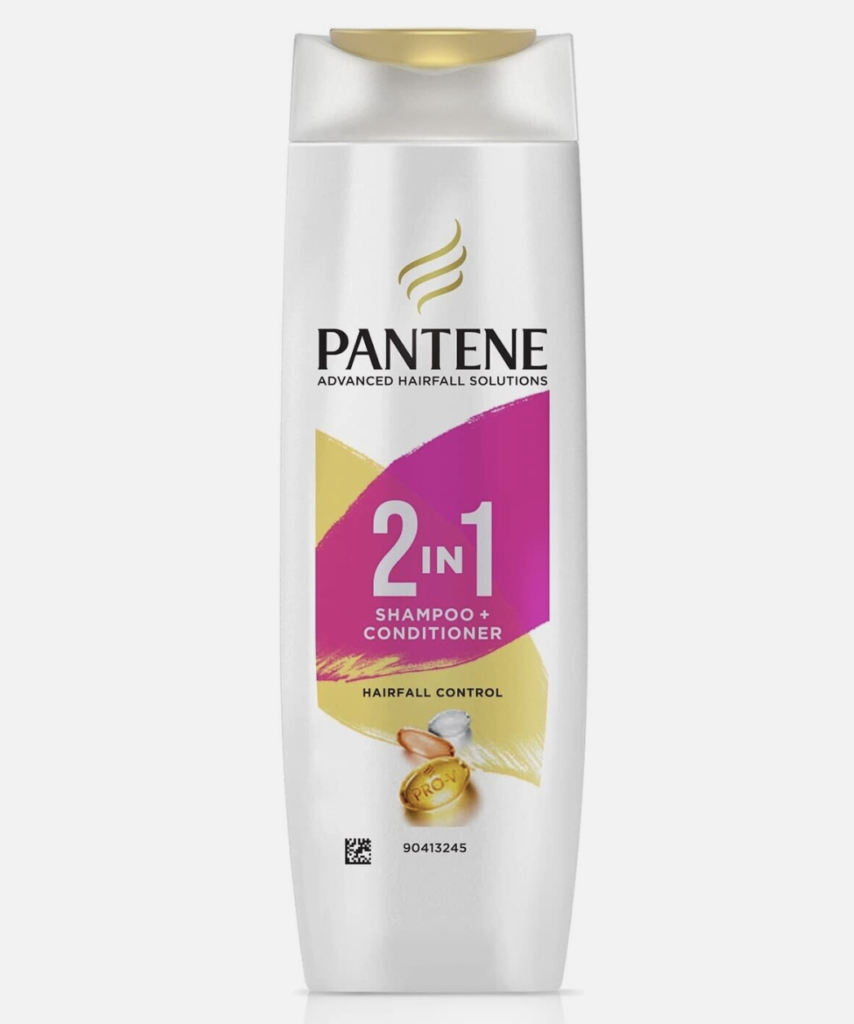
Shampoo And Conditioner In One
One of the most obvious real world examples of this in action is a combined shampoo and conditioner. It has everything you need in one single product.
Nobody needs to buy, carry, or store two separate bottles. That convenience alone becomes part of the sale, without a single extra word of persuasion.
See also