Practical Sales Training™ > How to connect with your buyer > The Callback Effect
The Callback Effect
What Is It
The callback effect gives customers the option to request a callback. That way, they avoid sitting in a phone queue or staring at a live chat window. They get to carry on with their day instead.
That single choice shifts something important. The responsibility for the call now sits with you, the seller, rather than with the person who was waiting.
It’s a small structural change with a genuinely large effect. Waiting stops feeling like a burden the moment someone else agrees to carry it.
Why Does It Work
It works because it takes the sting out of waiting times. It’s often a more appropriate way to resolve a problem too, especially anything technical or hard to explain in writing.
Some people simply prefer speaking to a human on the phone, rather than filling in forms or sending emails. If your business can offer that option, it’s genuinely worth pursuing.
How Can You Use It
Offer It Everywhere It’s Needed
Requesting a callback can be as simple as a submission form on your website. It could also live inside your live chat during busy periods, or become part of your telephone hold music itself.
Promote It At The Right Moment
Offer it right at the moment a buyer might give up or get frustrated. Even better, offer it before that moment ever arrives. Either way, the onus stays firmly on you to follow up, never on the customer.
When It Works Best
It works best for anything genuinely complex or technical. A written explanation would take far longer than a short phone call. It also shines during peak times, when hold queues stretch out longest.
It’s particularly valuable for buyers who already lean toward phone contact. Removing the wait removes their single biggest objection to reaching out at all.
When It Becomes Dangerous
The callback effect turns risky the moment you offer it and then fail to actually call back. A broken promise here damages trust more than the original wait ever would have.
It’s also risky if the callback takes far longer than expected. Set a rough timeframe, and honour it, or the goodwill you created evaporates immediately.
Common Mistakes
Hiding The Option Too Well
Burying the callback request somewhere nobody looks defeats the purpose entirely. Put it where a frustrated buyer will actually see it, right when they need it most.
Offering It Too Late
Waiting until someone’s already furious to mention a callback feels like an afterthought. Offer it early, ideally before frustration even has a chance to build.
Not Following Up Reliably
A callback that never actually happens is worse than no callback option at all. It confirms every doubt a buyer had about trusting your business with their time.
The Callback Effect – An Example
The Website Pop Up
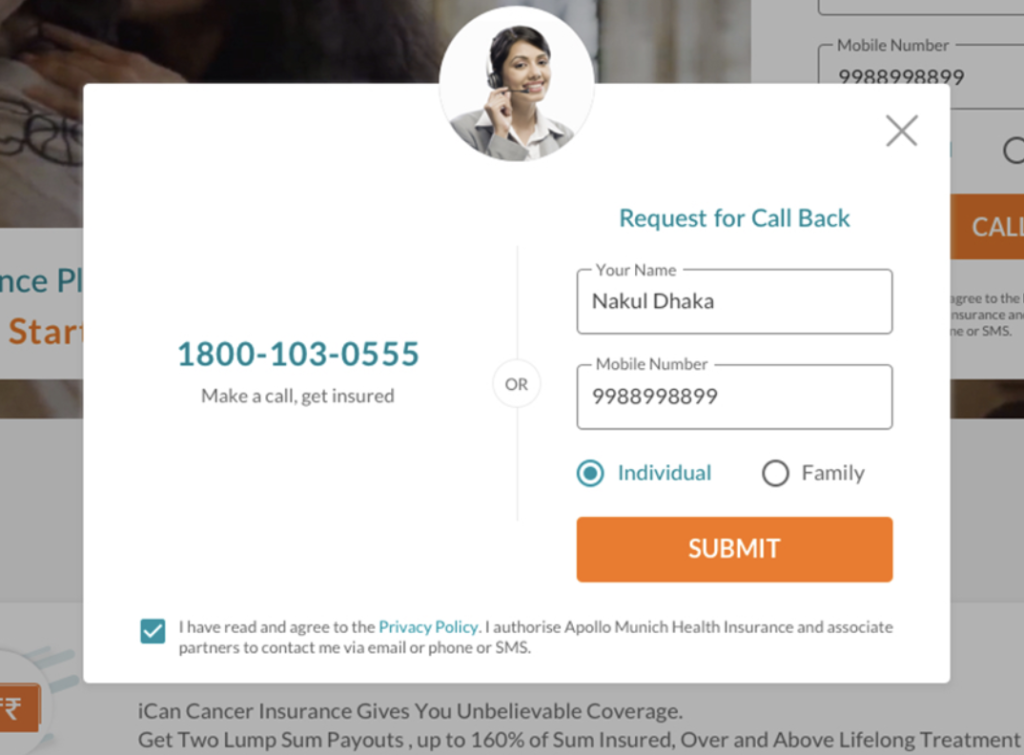
Plenty of websites use a simple pop up to promote their callback feature. It appears exactly when a visitor seems likely to need it. It’s a small nudge at precisely the right moment.
The pop up itself does very little work. What matters is the promise behind it, and whether the business actually keeps it.
See also