
Practical Sales Training™ > Wordplay > Neologism

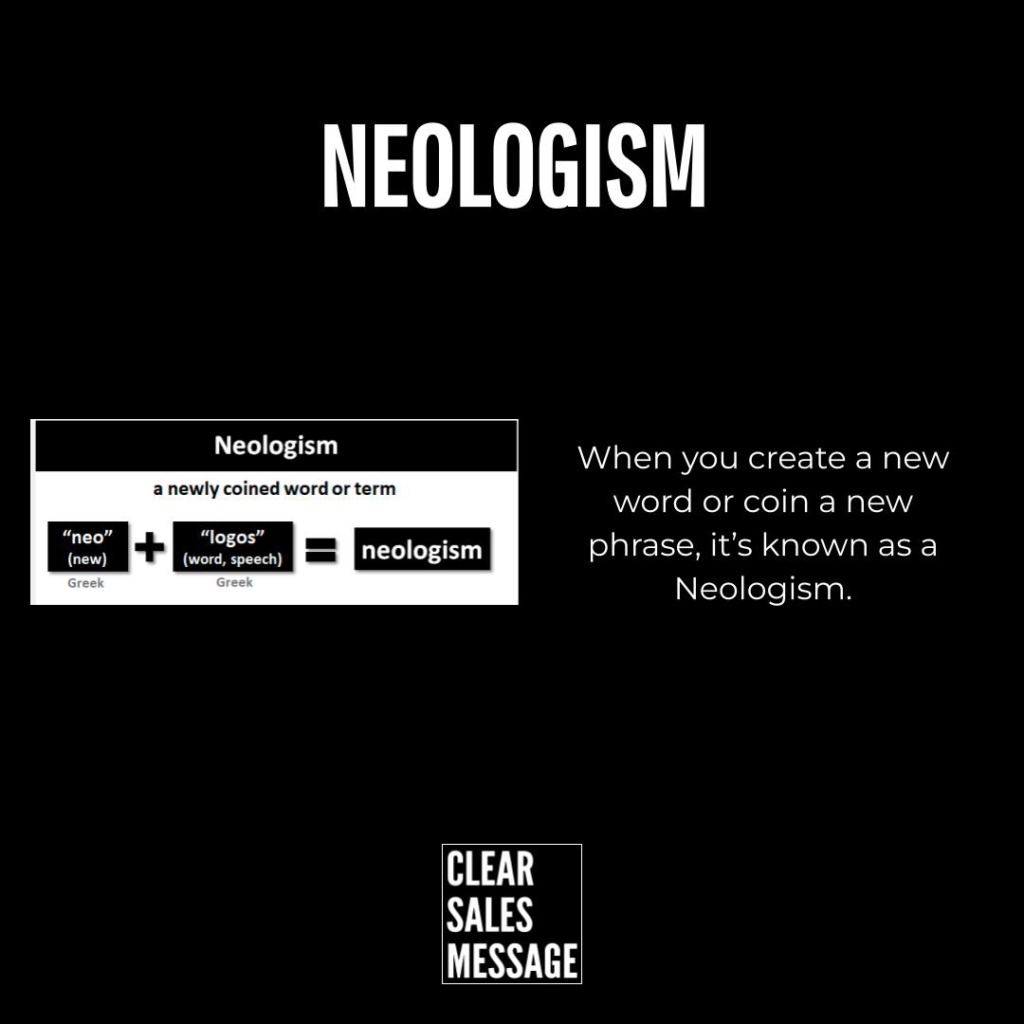
Neologism
Every word you use to describe your business already belongs to someone else. It has history, other meanings, and competitors who use it too. But a word you invent from scratch belongs entirely to you.
A neologism is simply a new word. Businesses use them to name products, services, or entire brands in a way that no one else can copy. Because the word did not exist before, you get to define what it means and own it completely.
Some of the most recognised brands in the world are neologisms. The word meant nothing before the company gave it meaning. Now it means everything.
What Is a Neologism?
A neologism is a made-up word. It can be created from nothing, built by combining two existing words, or formed by twisting a familiar word into something new. The result is a term that did not exist before you created it.
In business, neologisms are most often used to name a product, service, or brand. They sit at the heart of a technique called eponymy, where your name becomes the word people use to describe the thing you do. Think of how some brand names have become the word for the product itself.
Why Does a Neologism Work?
It works for several practical reasons. First, a made-up word is far easier to trademark. Because it does not exist in the dictionary, no one else has a prior claim. So you can own it legally in a way you never could with a common word.
Second, it makes finding a domain name much simpler. Common words and phrases are almost always taken. But a word you invent is free. You can secure the .com, the social handles, and the search results before anyone else even knows the word exists.
Third, and most importantly, you get to define what it means. Every piece of content you create, every conversation you have, and every client you win helps to shape the meaning of that word. Over time, the word becomes inseparable from what you do.
How Can You Use a Neologism In Sales?
Name Your Product or Service
The most common use is naming. Instead of calling your product something generic that ten rivals already use, create a word that is entirely yours. It does not need to be complex. In fact, simpler is almost always better. The goal is a word that is easy to say, easy to remember, and impossible to confuse with anything else.
Combine Two Familiar Words
One of the easiest ways to build a neologism is to merge two words that both relate to what you do. This is called a portmanteau. The result feels new but still carries meaning because both source words are familiar. “Beardruff” is a good example. It combines beard and dandruff. The meaning is instant. The word is completely ownable.
Use It Consistently Until It Sticks
A new word only gains power through repetition. So once you have your neologism, use it everywhere. Put it in your messaging, your content, your proposals, and your conversations. Because the more people hear it in connection with what you do, the more the meaning builds.
When a Neologism Works Best
It works best at the naming stage, before you have committed to something generic. If you are launching a new product or building a new brand, this is the right time to consider whether a made-up word could serve you better than a real one.
It also works well when your market is crowded and everyone sounds the same. A neologism makes you impossible to confuse with a rival because no rival can use your word. That is a strong position to be in, especially when buyers are comparing options.
When a Neologism Becomes Dangerous
The risk is in creating a word that is too hard to say, spell, or remember. A clever word that no one can pronounce will not spread. So test your neologism out loud with people who have never seen it before. If they stumble, simplify it.
There is also a risk of creating something that sounds too close to an existing word with a bad meaning. Always check your invented word across different languages if you plan to sell internationally. What sounds neutral in English can mean something very different elsewhere.
Common Neologism Mistakes
Making It Too Clever
A neologism should feel natural, not forced. If you have to explain the logic behind it every time you use it, it is too complicated. The best invented words feel obvious once you hear them. Aim for that.
Not Securing the Assets
As soon as you settle on a neologism, secure the domain, the social handles, and begin the trademark process. Because if you wait, someone else could pick it up. The value of the word depends on you owning it, so do not leave that to chance.
Abandoning It Too Soon
New words take time to land. If you introduce a neologism and then drop it because it has not caught on immediately, you lose all the ground you gained. Stick with it. Repetition is how meaning builds, so give it the time it needs.
Neologism – An Example
A grooming brand combines two familiar words to name a problem their product solves. Beard plus dandruff becomes “Beardruff.” The word did not exist before. But the moment you hear it, you know exactly what it means.
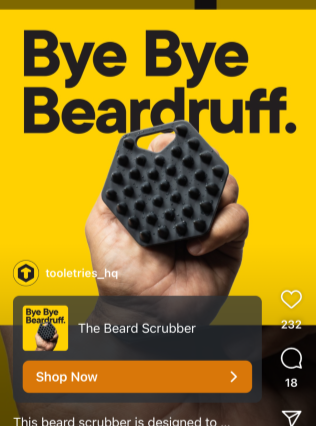
Because the word is entirely new, the brand owns it. No rival can use it. No one else can rank for it. And every time someone says “Beardruff,” they are saying the brand’s word. That is the power of a neologism done well.
See Also: