Practical Sales Training™ > Wordplay > Calligram
Calligram
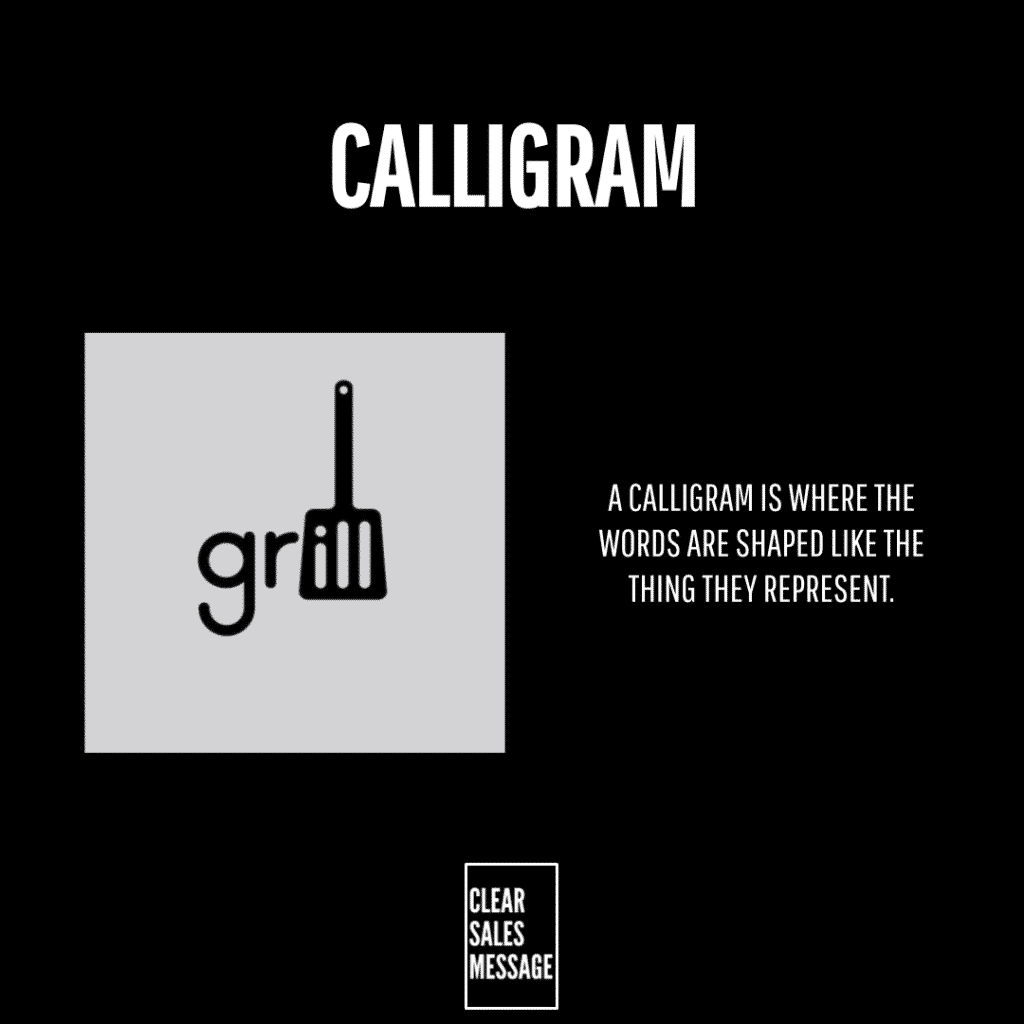
Most words just sit on a page. A calligram does something more. It turns the word itself into a picture of what it means. So the word “tree” is shaped like a tree. The word “fish” curves into a fish. The word and the image become one thing.
That combination stops people. It makes them look twice. And because it works on two levels at once, it tends to stick in the memory far longer than a plain word or a plain image alone.
For brands and sellers, that’s valuable. Attention is hard to earn. However, a calligram earns it fast, because the brain has to do a small, satisfying piece of work to read it. That moment of recognition creates a connection.
What Is a Calligram?
A calligram is a word or piece of text arranged so that its shape forms the image it describes. So the letters are the art. There’s no separate illustration, because the words are the illustration.
The term comes from the French poet Guillaume Apollinaire, who published a famous collection of calligram poems in 1918. However, the idea is much older than that. Artists and writers have played with shaped text for centuries.
In a sales or branding context, a calligram is most often used in logos, signage, packaging, and marketing materials. It can also appear in presentations or proposals where you want a visual to do more than just look pretty.
Why Does a Calligram Work?
It works because it catches the eye in a way that plain text doesn’t. When something looks unusual, the brain pays attention. So a calligram triggers that response the moment someone sees it.
There’s also a reward built into it. When a viewer spots that the word matches the shape, they get a small hit of satisfaction. That moment makes the image more enjoyable and, as a result, more memorable.
Similarly, it communicates on two channels at once. The word tells you what it is. The shape shows you what it is. And when those two things match perfectly, the message lands harder and faster than either could on its own.
How Can You Use a Calligram In Sales?
A calligram works best when the word and the shape are instantly recognisable together. So the concept has to be simple and visual. Abstract ideas are hard to pull off. Instead, concrete and familiar objects work much better.
Use it in your logo or brand mark
A calligram logo is unusual enough to stand out but still clean enough to use across all formats. So if your brand name or a key word lends itself to a recognisable shape, it’s worth exploring with a designer.
Use it on packaging or signage
Physical materials reward close attention. For example, a calligram on packaging gives buyers something to notice and smile at. That small moment builds warmth toward the brand, which is exactly what you want at the point of purchase.
Use it in presentations or proposals
A calligram used as a header or section divider in a proposal shows creativity and care. It signals that you think differently. Therefore, for buyers choosing between similar offers, those small signals matter.
Work with a creative designer
Creating a calligram is not a DIY job. The font, spacing, and shape all have to work together precisely. So a good designer will know how to balance legibility with visual impact. Brief them clearly and give them room to experiment.
When a Calligram Works Best
A calligram works best when your brand has a strong visual identity and a clear, simple concept at its core. The more concrete and familiar the image, the better the effect. For example, a coffee cup, a house, a fish, or a tree. These shapes read instantly at a glance.
It also works well when you want to stand out in a crowded space. Menus, shelves, trade show stands, social media. These are places where most things look the same. So a calligram gives buyers a reason to stop and look.
Similarly, it suits brands that want to feel creative or craft-led. If your positioning is built around skill, care, or originality, a calligram is a visual proof of that. It shows rather than tells.
When a Calligram Becomes Dangerous
The biggest risk is losing legibility. If the shape takes over and the word becomes hard to read, the calligram fails on both levels. As a result, buyers can’t figure out what it says, and the clever effect becomes frustrating instead of satisfying.
It also fails when the word and the shape don’t match well enough. A forced pairing looks like a mistake. The viewer spots the attempt but doesn’t feel the payoff. So if the fit isn’t natural, don’t force it.
And it won’t work for every brand. Complex, technical, or conservative industries may find it too playful. However, if your buyers respond well to creativity and personality, it’s a strong tool to use.
Common Calligram Mistakes
Choosing a word that’s too long
Short words are much easier to shape convincingly. Long words create too many letters to wrangle into a clean image. So the simpler the word, the better the result.
Picking a shape that’s too complex
Fine detail gets lost quickly, especially at small sizes. The shape needs to read instantly at a glance. Therefore, if someone has to study it to understand it, the calligram isn’t working hard enough.
Skimping on the design brief
A vague brief produces a vague result. So give your designer the word, the shape, the size it will be used at, and the context. The more specific you are, the better their starting point.
Using it where it won’t be seen properly
A calligram needs enough space and resolution to be read clearly. Shrink it too small and the effect disappears. Also, always test it at the sizes you’ll actually use before committing to a final design.
Calligram – An Example
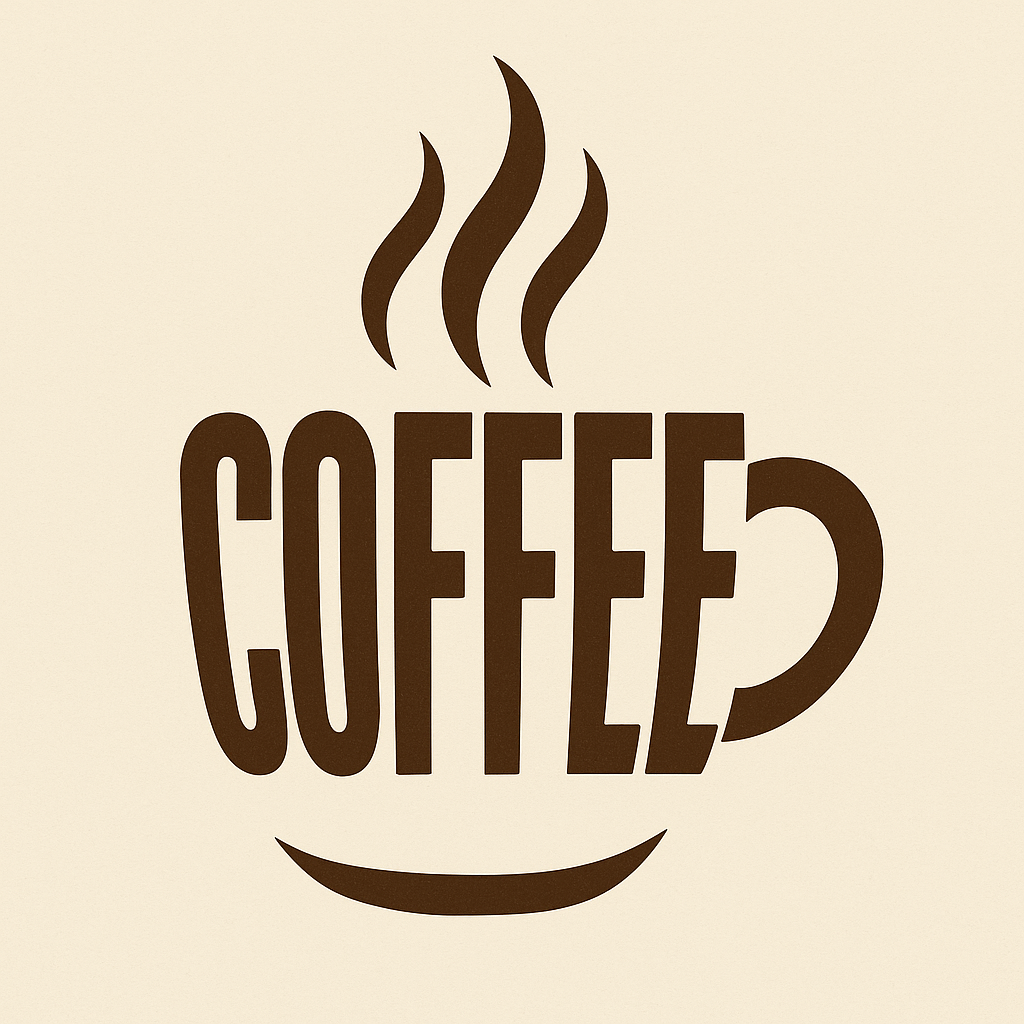
A coffee shop uses the word “COFFEE” arranged and shaped to look like a steaming coffee cup for its logo. The design is simple but instantly recognisable, because it combines the word and the visual meaning in a single graphic.
This design grabs attention on signage, menus, and packaging, so the brand feels both creative and memorable. Because it works on two levels at once, buyers notice it and remember it. That’s exactly what a good calligram does.
See Also